Shower Installation, Repairs & How Tos
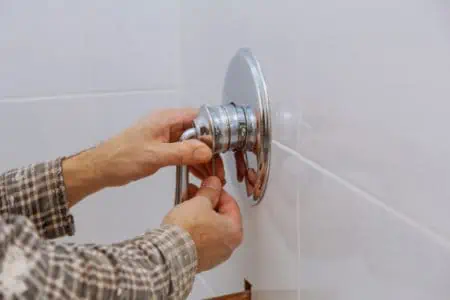
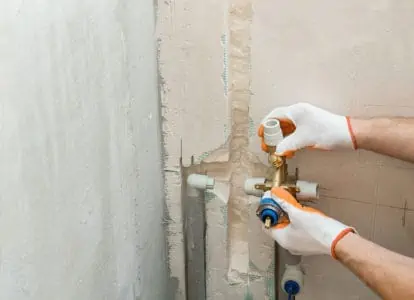
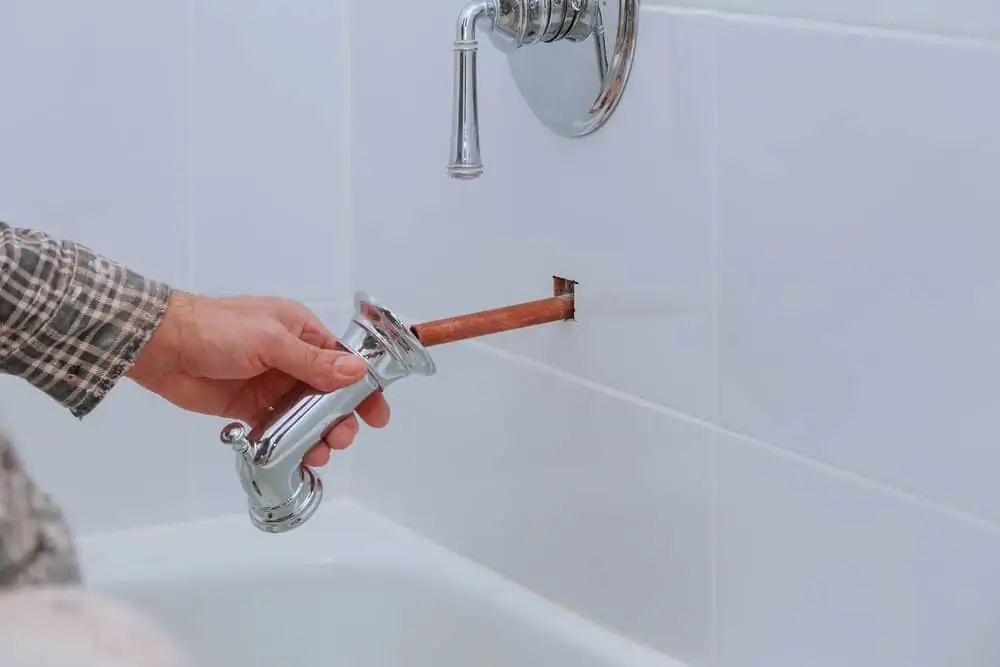
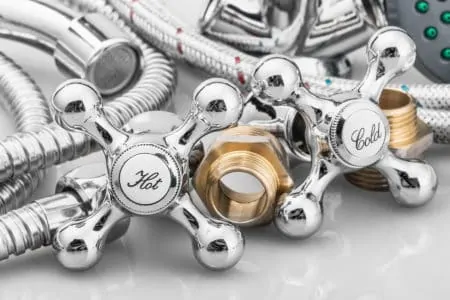
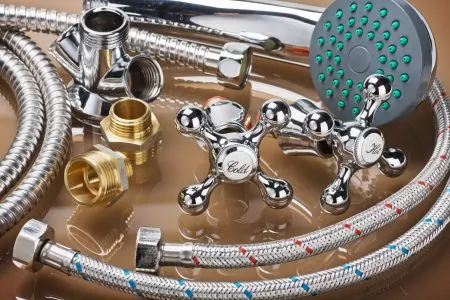
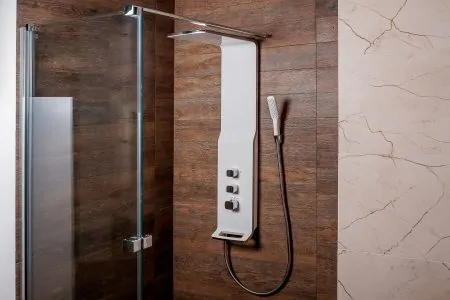
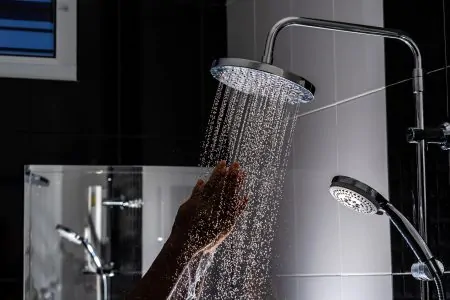
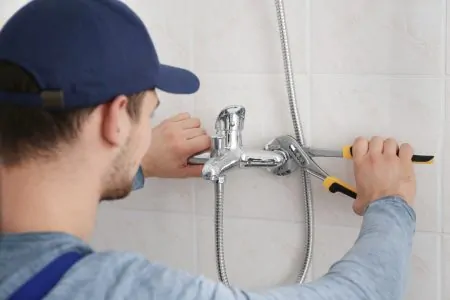
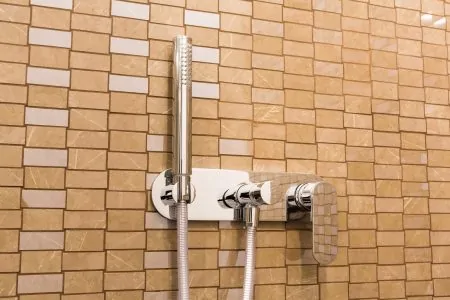
Most shower projects stall on the valve, not the tile. Pressure balance keeps temperature steady when a toilet flushes; a thermostatic valve holds a set temperature and lets you control volume separately, which is what a two-head or panel setup needs. Choose that first, because the valve dictates the rough-in, the trim you can buy later, and whether a shower system is even possible behind that wall.
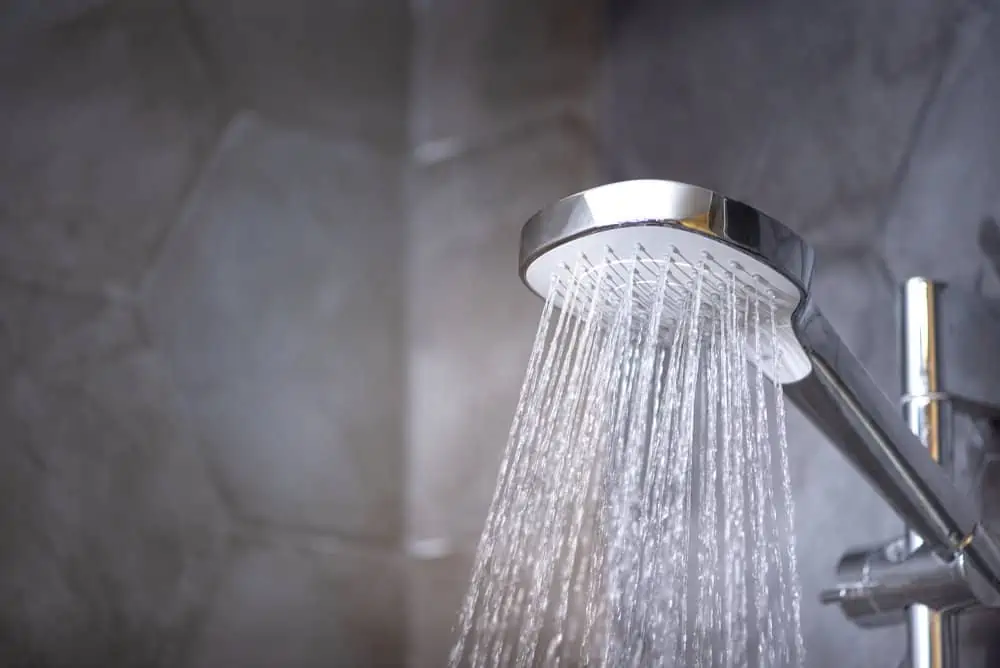
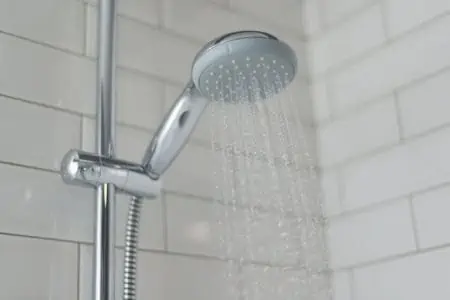
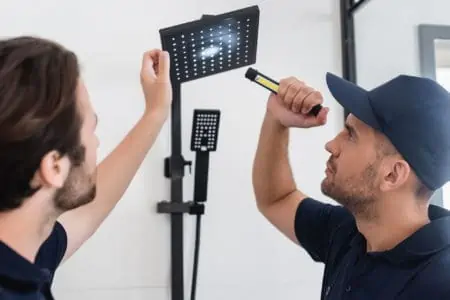
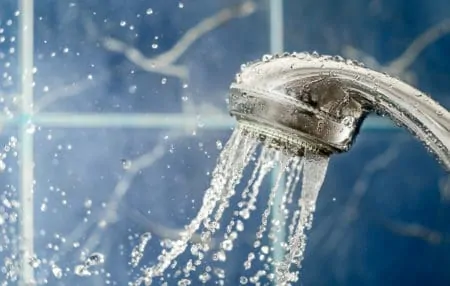
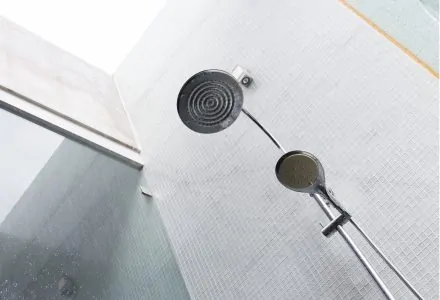
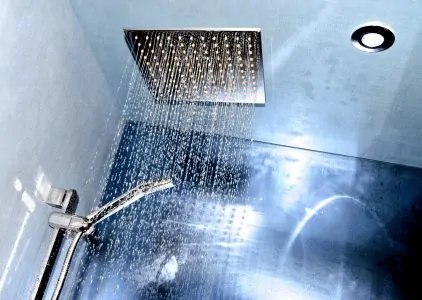
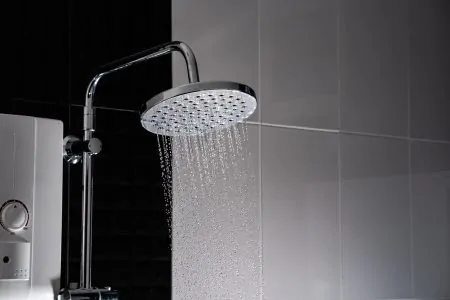
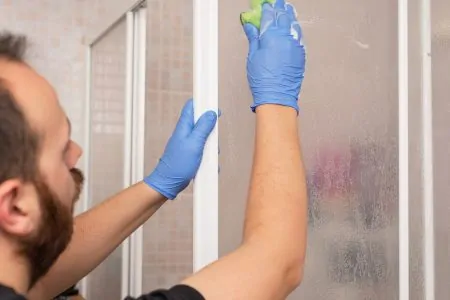
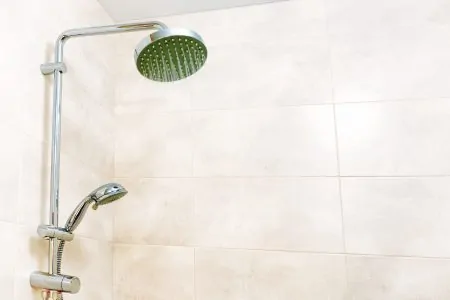
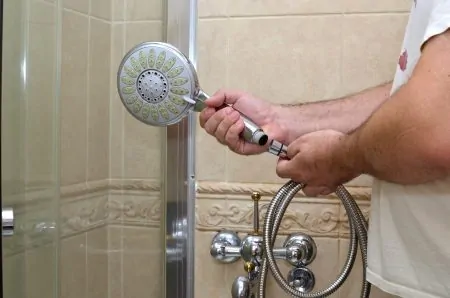
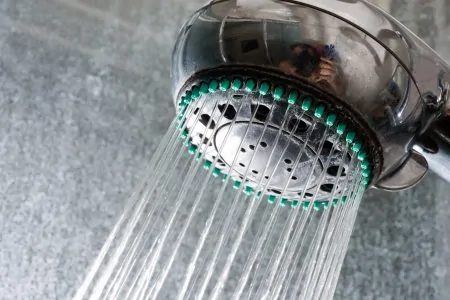
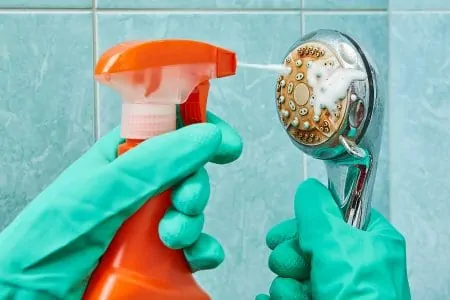
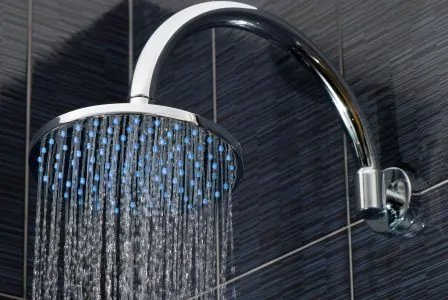
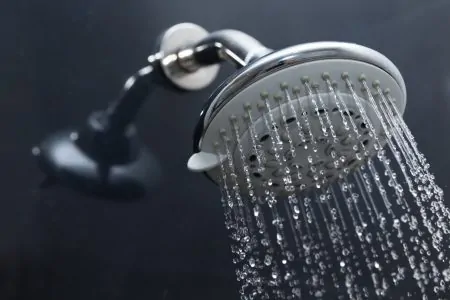
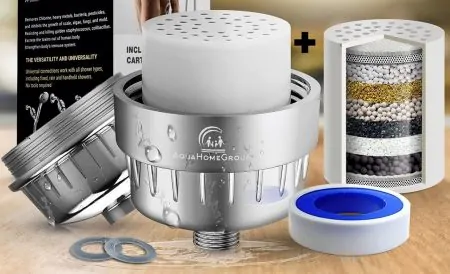
After the valve comes water: how much of it arrives and what is dissolved in it. Low flow heads, high pressure heads, rain heads and handhelds all behave differently on a weak supply, and hard water is usually the real culprit behind a spitting head and spotted glass. Removing a flow restrictor, descaling a head, or fitting a filter fixes more than upgrading does.
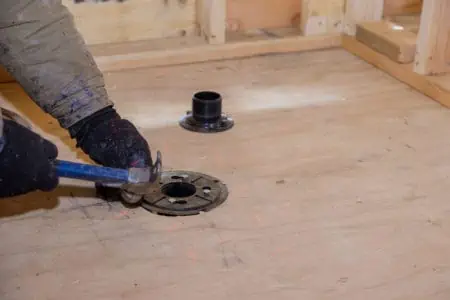
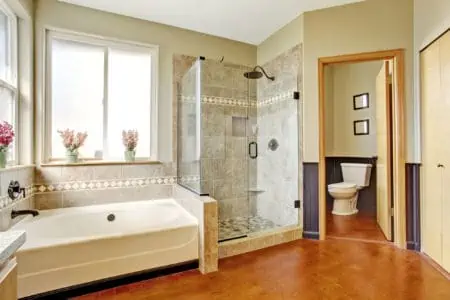
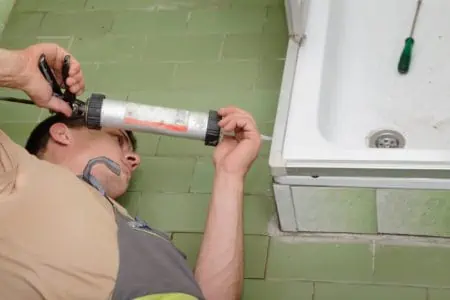
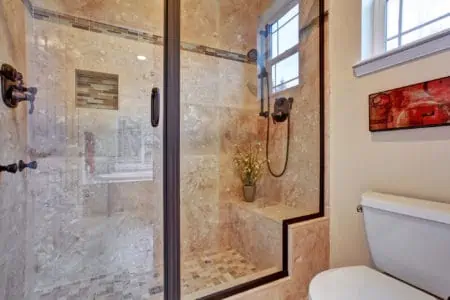
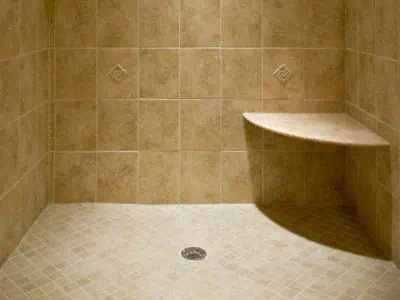
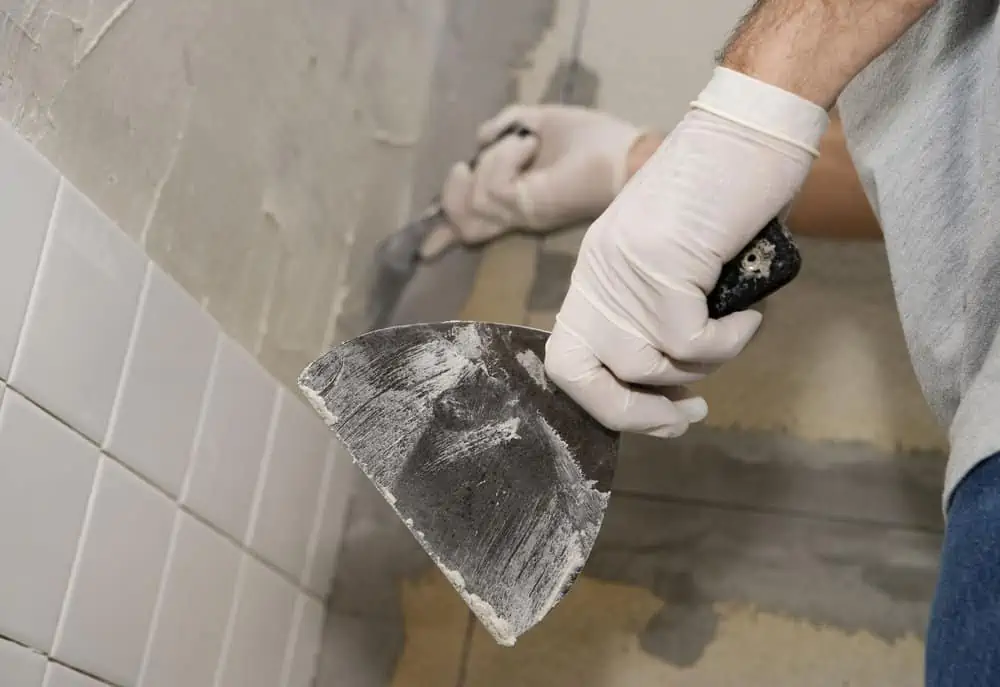
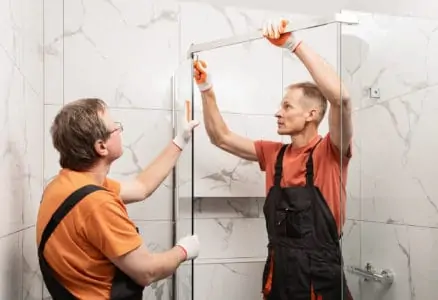
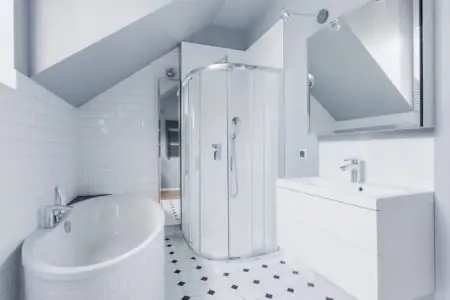
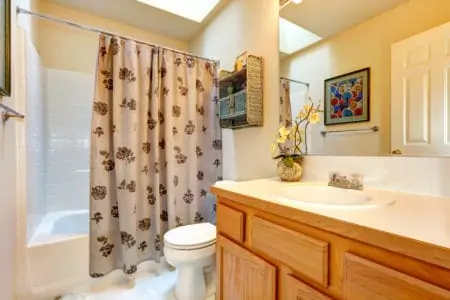
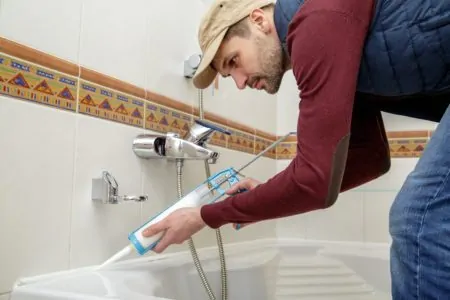
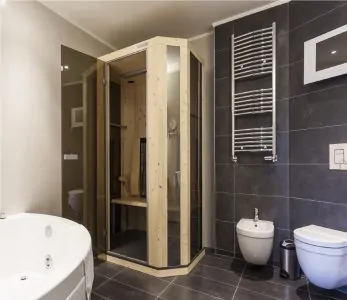
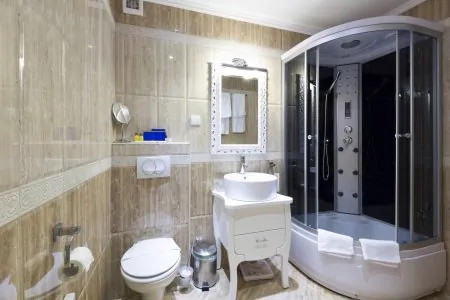
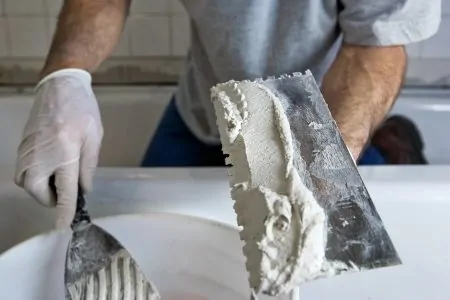
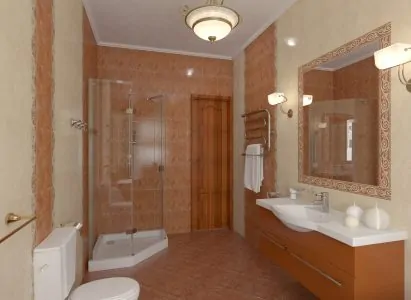
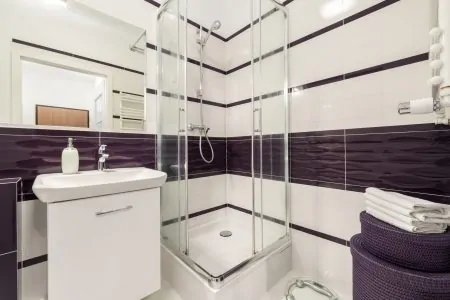
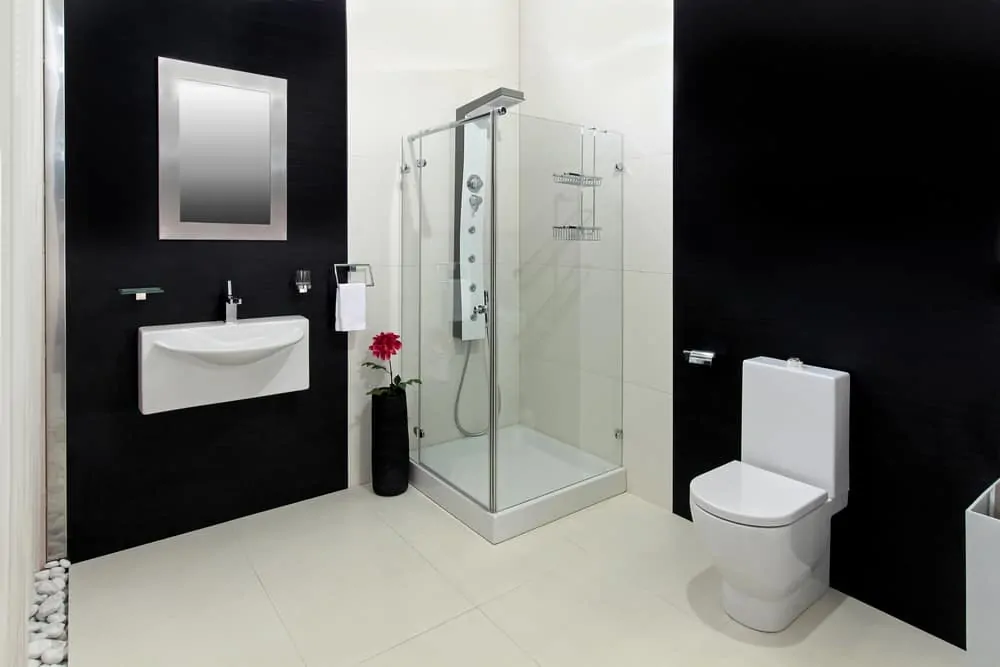
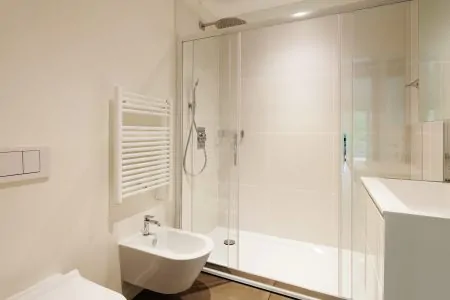
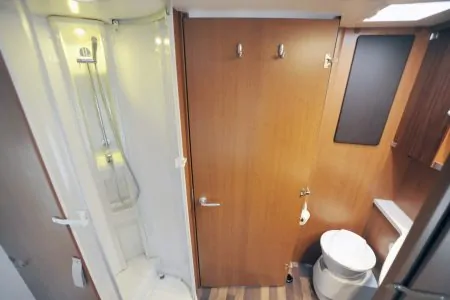
The enclosure is its own project: pan or stall kit, wall material, tile and grout, then caulk at every change of plane. Waterproofing decides whether that work lasts, especially around a window in the wet zone or a built-in bench.
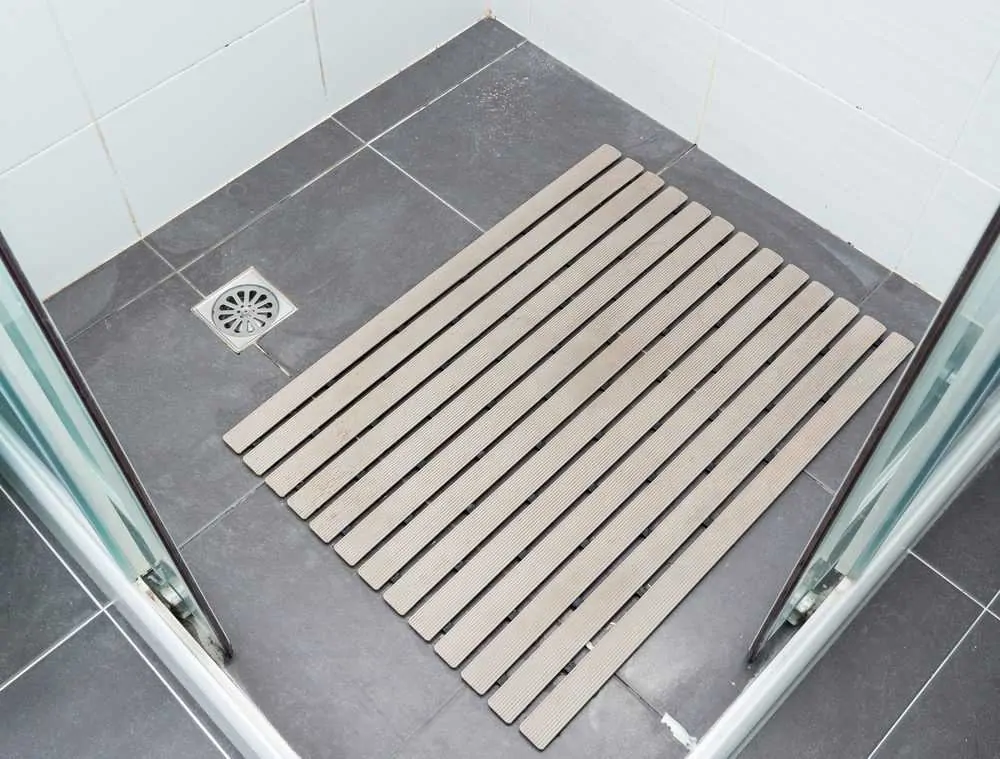
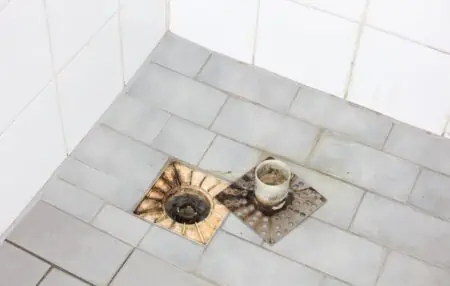
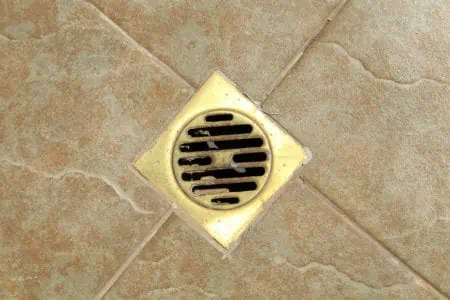
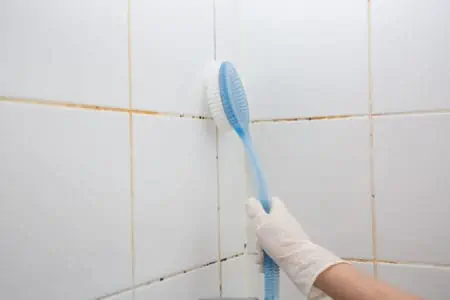
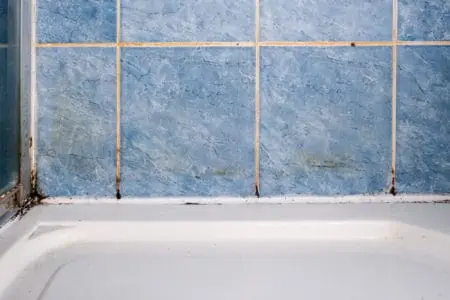
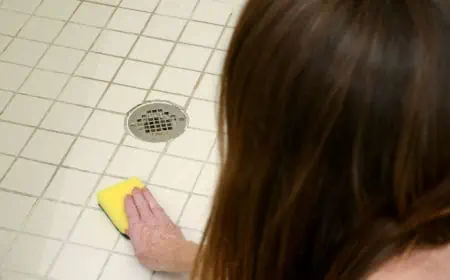
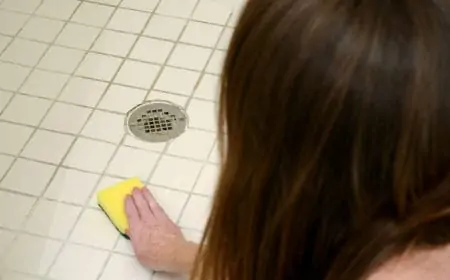
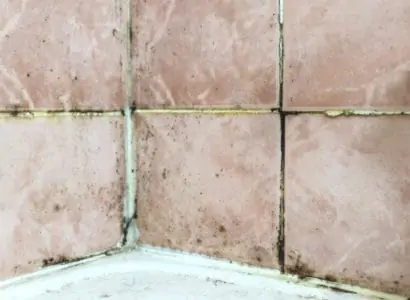
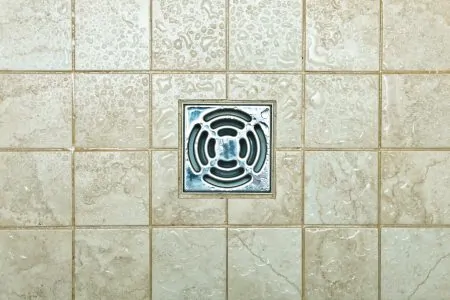
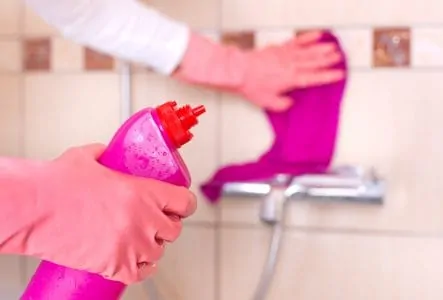
Then there is the running maintenance nobody plans for. Mold in the caulk line, a smelly drain, a squealing valve cartridge, a diverter that will not send water up, hair in the trap. Each has a short fix if you catch it early.