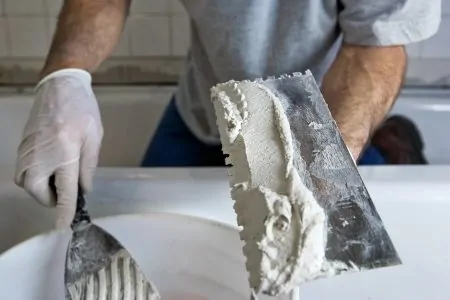
Grout is an essential part of any tiling job, holding the tiles in place and ensuring that they stay attached to the wall or floor. It is important to choose a grout that is strong and durable, and this is especially true when grouting your shower enclosure.
There are numerous grout products currently available but some grouts will perform better than their competition. If you are trying to find one that is suitable for a DIY project, you might struggle to find the right product without some advice.
To help you find the best grout for your shower enclosure, we have reviewed five of the most popular grouts available today. We chose these grouts based on their type, durability, and how waterproof they are.
- Fortified with polymers
- Suitable for vitreous and non-vitreous surfaces
- Colored grout
- Crack, stain and shrink resistant
- Resealable container
- Suitable for dry and damp areas
- Pre-mixed
- Antimicrobial protective layer
- Usable outdoors
- Smooth, even surface
- Greenguard certification
- Color can be purchased separately
- User-friendly tube
- Ideal for refreshing existing grout
- VOC-compliant
Review Methodology: At Sensible Digs, we’re committed to providing you with thorough, hands-on evaluations of the best shower grouts available. Our expert team conducts an in-depth analysis and compares each product based on a set criteria including performance, durability, and ease of application. We assess factors such as water resistance, drying time, color consistency, and adherence to determine what truly sets each product apart. The findings, backed by our extensive experience and research data, help us rank and score each shower grout. This is to ensure you have all the facts you need to make an informed decision. We also review design choices and their effects on user experience. Trust our professional, firsthand reviews to guide you in finding the best shower grouts for your needs.
The Best Shower Grouts of 2024
Applying the wrong type of grout can make your work more difficult and leads to extra maintenance in the future. To avoid any unnecessary headaches, we have reviewed five of the best shower grouts you can buy today, chosen for their type, effectiveness, durability, and value for money.
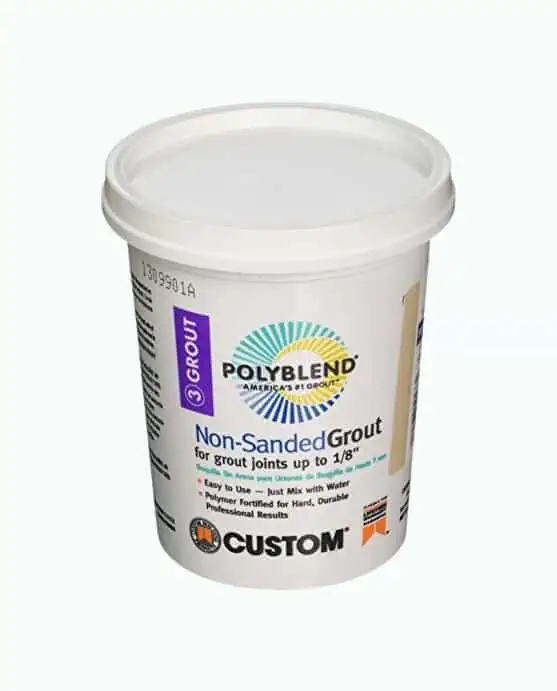
Custom Products Linen Non-Sanded Grout
Most Budget-Friendly Grout
This very reasonably-priced unsanded grout from Custom Products can cover a large area. With gaps that are an eighth of an inch wide, you will be able to grout a 23 square-foot shower, or more depending on the tile size. If the gaps are a sixteenth of an inch wide, you should be able to almost double that coverage.
Despite being budget-friendly, this product doesn’t compromise on quality. It contains high-quality cement to ensure a flat and lump-free texture. The manufacturer is also environmentally conscious and is working towards the LEED v3 certification (1).
What We Like
Simple but Tough
If you’re looking for a basic, affordable grout that still provides excellent results, this product is a strong contender.
The instructions are very straightforward. You simply need to fill the container with 4.8 ounces of water and mix it for two minutes. Let the mixture sit for 10 minutes and stir it again; it will then be ready to apply.
This product is fortified with polymers, resulting in a dense paste that can withstand shrinking and cracking.
Usable on Many Surfaces
This unsanded grout has been formulated to keep delicate surfaces scratch-free. It is suitable for materials such as natural stone, porcelain, glass, and tiles — both vitreous and non-vitreous types.
It isn’t limited to your shower area but can also be applied to floors, countertops, bathtubs, swimming pools, and even spas.
Colored Grout
This grout comes pre-colored. It has a subtle linen tone that will be an ideal match for most light-colored tiles and bathrooms.
What We Don't Like
Temperature and Sealer
This grout shouldn’t be used when the ambient temperature drops below 50 degrees Fahrenheit. It also needs to be sealed to fully protect it from moisture.
Chemicals and High Pressure
Cleaning the grout with harsh chemicals could stain or damage it. The manufacturer also warns against cleaning it with high-pressure water.
Product Specs
| Type | Unsanded, cement |
| Joint Width | Up to an eight of an inch |
| Weight | 1 pound |
| Color | Linen |
| Unique Feature(s) | Not applicable |
Our Ratings
User Experience
SimpleFix Alabaster Pre-Mixed Adhesive and Grout
Best Pre-Mixed Grout
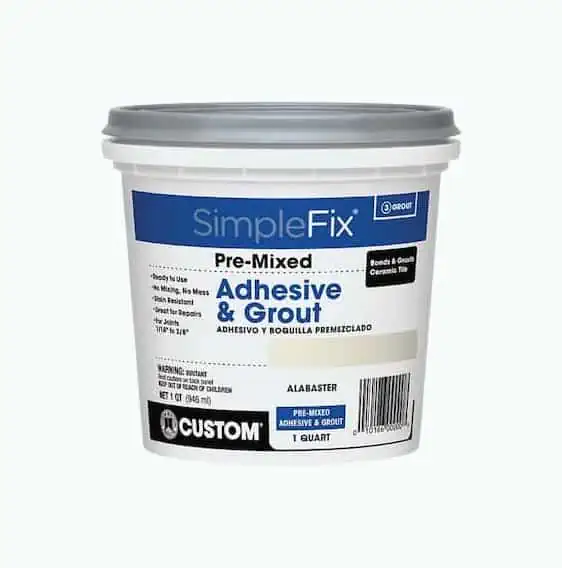
This SimpleFix adhesive and grout is sold pre-mixed so you don’t have to worry about mixing it yourself or making a mess.
It works by bonding and grouting ceramic floor and wall tiles, leaving you with a clean, smooth finish. It is specifically designed for wet areas, so it is ideal for your shower enclosure and the rest of your bathroom. However, it is equally suitable for other parts of your home.
What We Like
Durable Mixture
You can trust this grout mixture to last for years. It is crack, stain, and shrink-resistant so your bathroom tiles will stay pristine well into the future.
Easy to Use
As this grout is pre-mixed, it is ready to use as soon as you open it. It is also easy to spread between tiles. You can use it on tiles, cement, exterior grade plywood, concrete, plaster, and ceramics. Once the grout is applied, it is easy to clean the surrounding surfaces.
The container is resealable, so you won’t have to waste any leftover grout.
Dry or Damp Areas
This grout is suitable for both dry and damp areas, as long as you’re indoors. Whether you want to grout your bathroom or kitchen, this is an excellent option.
What We Don't Like
Dry Consistency
Although this pre-mixed grout is convenient, some customers don’t like the dry texture. It can be a little more difficult to work with and some reviewers believe it should have had more water added.
Product Specs
| Type | Sanded |
| Joint Width | 1/16 to 3/8 of an inch |
| Weight | 2.09 pounds |
| Color | White or grey |
| Unique Feature(s) | Pre-mixed |
Our Ratings
Bostik Diamond Grout Dimension
Best Grout for Glass Tiles
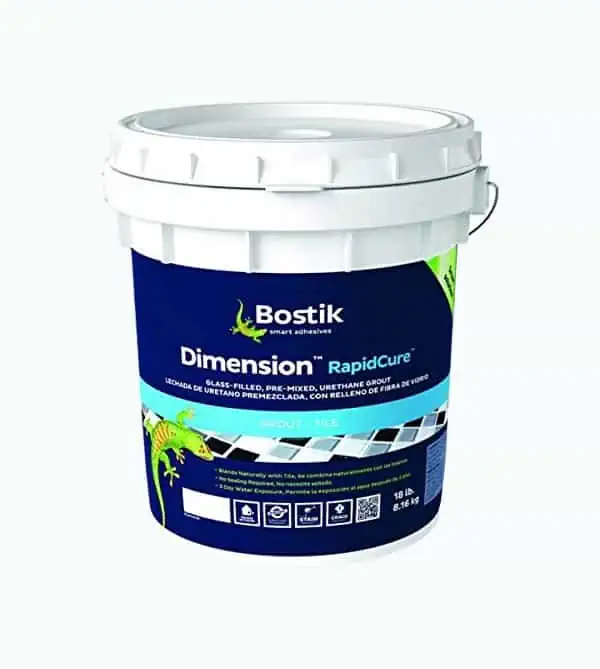
Bostik’s Diamond Grout contains both urethane and micro-glass elements that will add some extra sparkle to your shower enclosure.
It is ideal for bright tiles that will look out of place next to conventional gray grout, such as glass tiles.
This grout is easy to use. It is pre-mixed and made of high-quality materials, designed for use in wet and moist environments, such as shower enclosures.
What We Like
Easy to Use
This product comes pre-mixed, so you won’t need to add any water to achieve the ideal texture. The grout is ready to use straight from the container.
With a snag-free texture, it shouldn’t leak onto lower tiles, which is helpful when applying it to vertical surfaces. This product also contains a sealer, so you won’t need to seal the grout once it is in place.
The manufacturer claims this grout can be applied in about half as long as its competitors.
Durable Materials
This grout has been made to last with a smooth polymer composition. It is crack-resistant and contains an antimicrobial protective layer, keeping mold and mildew at bay. It is also stain-resistant, so you don’t need to worry about it fading or turning yellow.
Versatile Use
This grout is compatible with metal, porcelain, ceramic, and stone tiles. Away from your bathroom, it can be applied to any wall or floor, whether indoors or outdoors.
You can keep any leftover grout to use later. If left unopened, the grout can be used within two years when stored at a temperature of over 32 degrees Fahrenheit.
What We Don't Like
Potentially Harmful
The manufacturer doesn’t disclose a full list of ingredients, but the label mentions that it contains a chemical known to cause cancer. You should keep this in mind before using it, especially if you have children.
Product Specs
| Type | Urethane |
| Joint Width | 1/16 to ¼ of an inch |
| Weight | 18 pounds |
| Color | White |
| Unique Feature(s) | Contains reflective material, ideal for glass tiles |
Our Ratings
Community Feedback
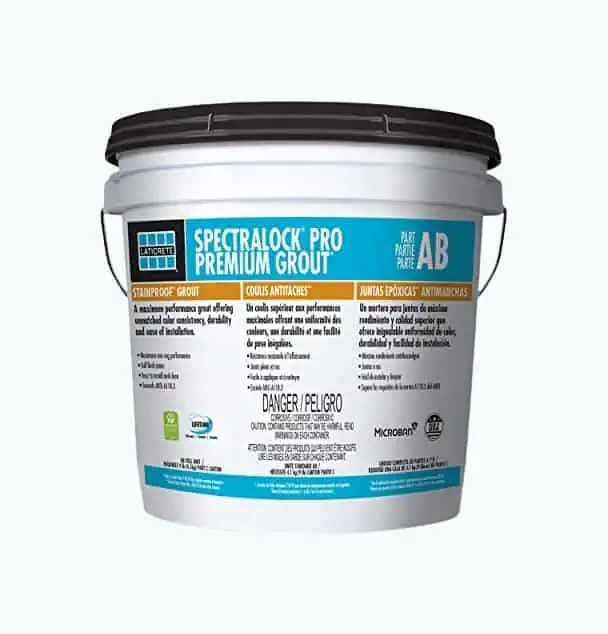
Laticrete SpectraLock Pro Premium
Most Durable Grout
Laticrete SpectraLock Pro Premium is a high-quality grout that won’t chip or break easily. This epoxy grout provides smooth, professional-looking joints.
It can be applied to glass, ceramic tiles, and stones. You will be able to apply this versatile mixture inside your shower but also in the rest of your home and even outdoors.
Its Greenguard Gold Certification is a reflection of its high safety standards, so it is suitable for use in public buildings and healthcare facilities.
What We Like
Premium Results
Customer reviews praise the high-quality finish when using this grout. Combined with the uniform color, it provides a smooth, even surface. This grout shouldn’t be affected even when sprayed with a shower cleaner and it is stain-proof.
Reviews also mention that it is very waterproof. It can be used in swimming pools, fountains, or any underwater area.
Greenguard Certification
Laticrete has been awarded Greenguard Gold Certification. This means it has undergone extensive testing to ensure low VOC emissions (2). It also meets the requirements of California’s Public Health Department (3). This grout is even suitable for schools and healthcare facilities.
Clear Instructions
If you haven’t used epoxy grout before, this product has clear, detailed instructions. The grout comes in three parts: A, B, and C.
Start by mixing the A and B liquids in a clean container. A slow-speed drill mixer — under 300 RPM — can be used to speed up the process. You can then mix in the powdered color, labeled as Part C.
Be Aware
What We Don't Like
Long Installation
Although it is easy to use, epoxy grouts require some extra steps and precautions. You only have a short window to apply the product once it is opened — just 30 minutes when the room temperature is above 95 degrees Fahrenheit.
Once the grout is applied, you need to wait about 20 minutes before cleaning it with a wet sponge. This can take longer in a cold environment. Once dried, the grout is very difficult to remove.
The manufacturer recommends a curing time of 10 days — at 70 degrees Fahrenheit — before using the shower. This can be inconvenient if you are already living in the home while working on the shower enclosure.
Product Specs
| Type | Epoxy |
| Joint Width | Up to an eighth of an inch |
| Weight | 9 pounds |
| Color | White |
| Unique Feature(s) | High-quality materials and results |
Our Ratings
First-Hand Impression
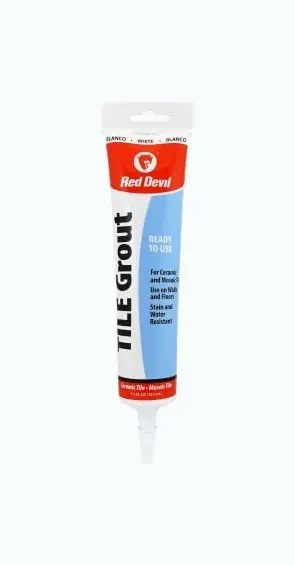
Red Devil Pre-Mixed Tile Squeeze Tube
Best Grout for Small Surfaces
If you don’t want to spread cement or other pastes over your brand-new ceramic or mosaic tiles, there is an alternative. This small tube contains pre-mixed acrylic-based Red Devil grout.
The paste shouldn’t scratch delicate tiles and materials as it is unsanded. It will repel water and stains, and prevent mold formation.
Away from your shower, you will also be able to use it on wallboards, masonry, and wood surfaces.
What We Like
Easy to Use
This paste has a user-friendly consistency that is ideal for DIY beginners. Simply cut the end piece of the tube and apply it over the lines.
After 15 minutes, wipe away the excess with a wet sponge. You will only need to wait 48 hours before applying a sealer to protect the grout.
To Fill or Refill
This product can be applied after installing new tiles. It can also be used to refresh your grout if it is looking old or damaged. To refill grout, remove about a sixteenth of an inch of your current grout before applying the new coat.
VOC Compliant
VOCs can release toxic fumes when they come into contact with sunlight (4). To protect your health, the manufacturer complies with the government’s VOC limits. It only contains about 1.2% of these compounds by weight (5).
What We Don't Like
Small Quantity
Depending on how large an area you need to cover, one tube might not be enough. If you want to apply it throughout your shower, you might need at least two tubes or one of the larger sizes.
Unpleasant Smell
There is usually a mild to moderate acrylic or ammonia odor while using this paste. Keep your windows open and ensure your bathroom is properly ventilated.
Warning
Product Specs
| Type | Unsanded, acrylic |
| Joint Width | Up to an eighth of an inch |
| Weight | 5.5 pounds |
| Color | White |
| Unique Feature(s) | Easy-to-use tube shape |
Our Ratings
User Experience
| Product | Best | Type | Joint Width | Weight | Color | Unique Feature(s) |
|---|---|---|---|---|---|---|
| Custom Products Linen Grout | Budget-Friendly | Unsanded, cement | 1/8″ | 1 lbs | Linen | N/A |
| SimpleFix Alabaster Pre-Mixed | Pre-Mixed Grout | Sanded | 1/16 to 3/8″ | 2.09 lbs | White or grey | Pre-mixed |
| Bostik Diamond Grout Dimension | Glass Tiles | Urethane | 1/16 – 1/4″ | 18 lbs | White | Has reflective material for glass tiles |
| Laticrete SpectraLock Pro Grout | Durable | Epoxy | 1/8″ | 9 lbs | White | High-quality materials and results |
| Red Devil Tile Squeeze Tube | Small Surfaces | Unsanded, acrylic | 1/8″ | 5.5 lbs | White | Easy-to-use tube shape |
Selecting the Best Grout
Shopping for grout can be difficult because, at a glance, they all appear almost identical. However, there are some key differences between grout products, some of which will make specific grouts more suitable for your bathroom.

Sanded vs. Unsanded Grout
Unsanded grout is most suitable when there is less than an eighth of an inch between each tile. As it doesn’t contain abrasive sand, it can be safely used on delicate materials such as glass tiles or marble. The paste is usually sticky enough that it can be easily applied to vertical surfaces such as shower walls.
Sanded grouts unsurprisingly contain sand, making them thicker than unsanded grouts. The sandy texture can usually be seen and felt. They are intended for larger gaps and more awkward surfaces and are usually more durable and affordable than unsanded grout.

Cement vs. Epoxy Grouts
Both sanded and unsanded grouts are available in either a cement or epoxy form.
Cement Grouts
Cement grouts are the oldest form of grout and are usually cheaper. Cement grout needs to be mixed with water, but this is usually a straightforward process that provides high-quality results.
The main drawback of cement grouts is that they have a porous surface. This means you will need to apply a grout sealer to prevent moisture from getting in.
These grouts typically need to be left for 48 to 72 hours before adding the sealing layer. This varies depending on the manufacturer and product, so read the label to find a specific curing time.
Epoxy Grouts
Epoxy grouts are a combination of resin and powder filler and can be more difficult to work with. This is because they dry quickly — often within 30 minutes depending on the ambient temperature — so you need to work fast.
They are generally stain, grease, and water-resistant. Some can even prevent mold and mildew from growing, which makes them an ideal option for shower areas. However, they are also expensive and need to be accounted for in your budget.
Warning
Other Types
There are also epoxy grouts that contain some cement. This combination is more durable and stain-resistant than standard cement grout. However, they also require sealing, just like cement grouts.
Grouts primarily made of acrylic or urethane compounds are typically sold pre-mixed. They are convenient and very durable but also usually cost more.

Colored Grouts
Most cement grouts are gray and epoxy ones are usually a shade of white. Pigment powder can be added to give your grout a desired tone. This is usually done to either make the grout match the surrounding tiles or to create a bold contrast.
Some products are available premixed in various colors. If you want a specific color for your shower area, these might be the best solution.

Other Important Features
In addition to the type of grout and its color, there are some other important characteristics to consider:
- Non-toxic: Try to find a non-toxic grout as you will be spending a lot of time in your shower enclosure.
- Stain-resistant: It is important that your grout is stain-resistant as it will be frequently exposed to dirty water.
- Waterproof: If your grout isn’t waterproof, water could seep into it, creating an ideal environment for mold to grow.
- Mold resistant: Mildew and mold don’t only look bad, they also smell and are hazardous to our health (7). Choosing mold-resistant grout should prevent fungi from forming between your tiles.
Caring for Your Shower Grout
Shower grout quickly accumulates dirt, grime, and soap scum, so it requires regular cleaning. Heavy-duty chemical sprays can damage the sealer and allow moisture in.
A gentle cleaning product is preferable for most grout, keeping it looking pristine and extending its lifespan.
FAQs

How Long Does Grout Last in a Shower?
It typically takes a few years for grout to start to look grey and dingy. Grout is the caulking that forms a seal around tiles inside and outside the shower. Grout is porous and soaks up moisture, leading to mold and mildew growth.
Suppose you want the grout in your shower to last as long as possible. In that case, you must understand what causes grout discoloration and how you can protect it.
Grout is durable and can last a long time if properly cared for. Using chemicals and harsh detergents to clean grout, however, can fade the color of grout over time.
To get the most out of your grout, watch for stains and potential cracks in the grout to repair them before they become a bigger problem.

Will New Grout Stick to Old Grout?
New grout doesn’t adhere well to old grout. First, you’ll need to grind away the old grout. You can try applying painter’s tape to the border of the tile and hitting the tape with a hammer.
This will create a chipping effect so that you can remove only the loose grout. When you measure your tile, consider any cracks or defects that may require replacement.

Which Grout Is Waterproof?
If you want waterproof grout, consider epoxy grout, although it is expensive and difficult to install correctly.

Is There a Mold Resistant Grout?
Mold-resistant grout is a new type of grout that is designed to prevent mold and mildew growth. This grout is made using special additives in the formula, making it less porous and more durable.
These additives also dissipate the moisture in the grout, keeping it from becoming damp and susceptible to mold growth like traditional grout.
Some grouts are resistant to mold. However, you must make sure that the mold-resistant grout is in contact with a material that does not contribute to its ability to resist mold growth. For example, suppose you use silicone caulk for waterproofing behind your tub.
In that case, you need to ensure that there is enough space between the silicone caulk and tub for a good seal and air circulation.

How Do I Prevent Mold in My Shower Grout?
Sometimes you can’t prevent mold in your shower grout. But you can do a few things to make it less likely. First, ensure the grout is clean by scrubbing it with a stiff-bristle brush or cleaning it with a grout cleaner.
Next, ensure the moisture source (whether it’s a leaking pipe, showerhead, or another plumbing issue) is addressed. If you see mold starting in your shower, clean it as soon as possible with an antimicrobial cleaning solution that kills mold and mildew.

What Is the Easiest Grout to Use?
The Red Devil 0425 Pre-Mixed is a tile grout that is easy to use and provides excellent adhesion. This grout comes in a squeeze tube for easy application and has a user-friendly consistency that makes it a breeze to work with.
Plus, it provides superior adhesion to ensure a long-lasting hold.

What Is the Best Grout to Use in Showers?
LATICRETE SPECTRALOCK 1 is a pre-mixed grout requiring no sealing and low VOC levels. It is also easy to use, requires no mixing, and has a low odor for a more pleasant grouting experience.
This grout is also one of the strongest on the market, making it ideal for use in showers and other high-traffic areas.
Final Tips
If this is your first time using grout, we recommend choosing cement or pre-mixed products. They are easier to use and don’t dry as quickly as epoxy ones. Epoxy grouts provide fantastic results when applied properly, but they are more costly and less user-friendly.
Whichever type you choose, look for a high-quality, water-resistant, and ideally mold-proof product. This will make cleaning much quicker and increase your grout’s durability.
To ensure your grout complements the rest of your shower area and bathroom, choose a color that matches your tiles or creates a stylish contrast. You can either purchase the grout already colored or add pigments to a white base.