Sanding Tips, Sander Guides, & How To's

You brush the first coat of finish onto a tabletop and the light catches every swirl you left behind. Sanding mistakes stay invisible while you work and only show up under stain or poly, when the fix is to strip it and start again at a coarser grit.

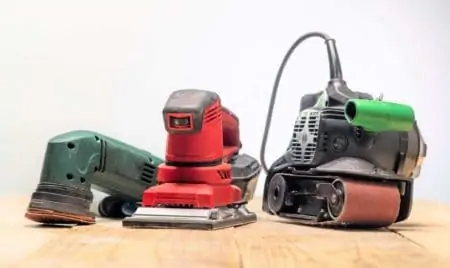
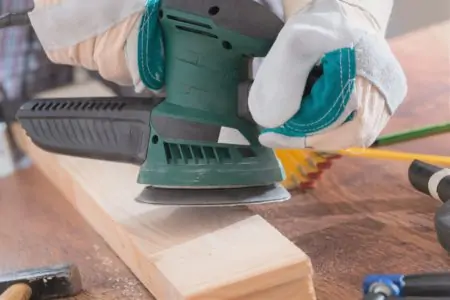
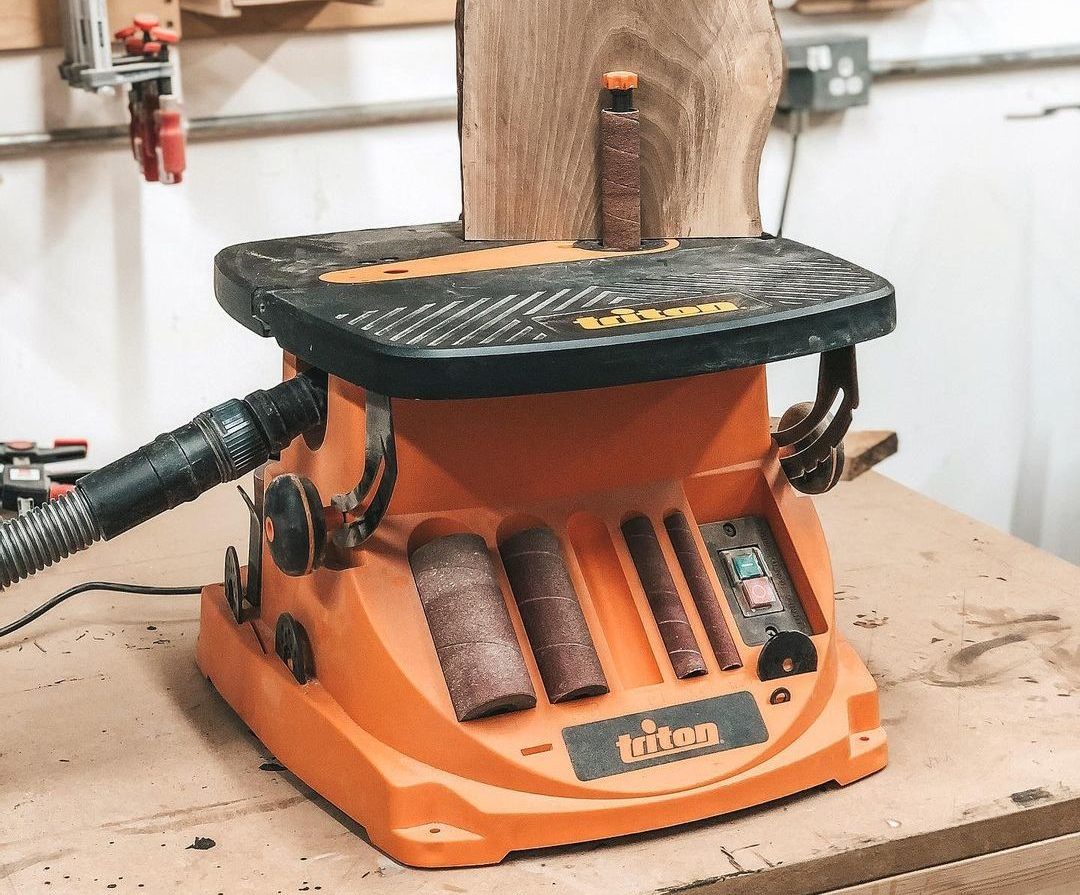
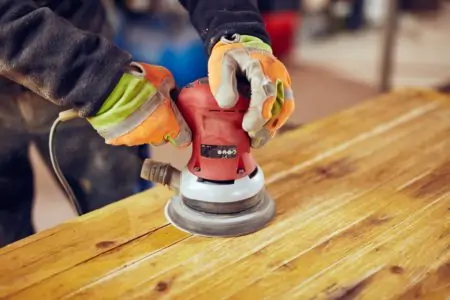
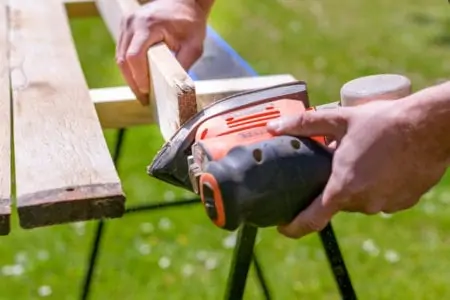
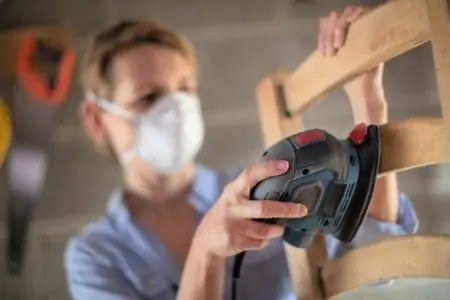
Most of that trouble comes from putting the wrong machine on the surface. A belt sander flattens a slab in minutes and ruins a cabinet door just as fast. A random orbital leaves no swirl pattern but takes its time. Sheet and palm sanders reach flat corners a round pad rides over, and curves want a spindle or benchtop sander rather than freehand work.

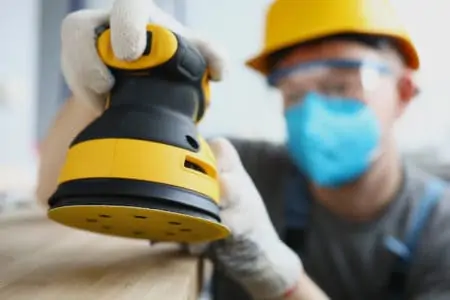
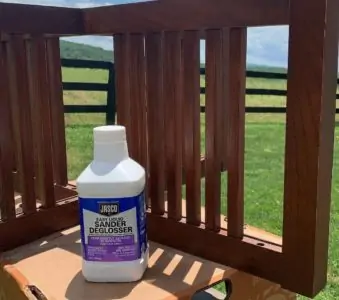
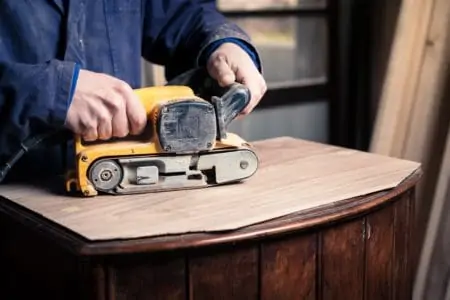
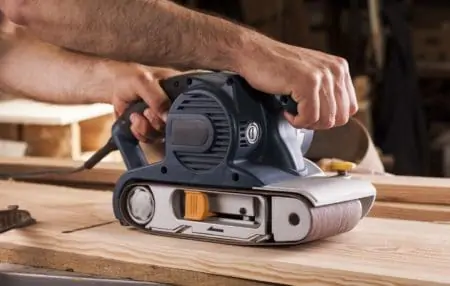
Belt sanders handle fast stock removal on flat, forgiving wood, random orbital sanders take the passes right before stain, and palm and detail sanders cover trim, corners and cabinet doors. Spindle and benchtop sanders deal with curves and inside edges, and liquid deglosser is enough when a finish only needs its shine broken.

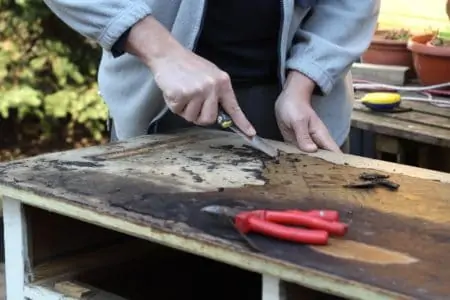
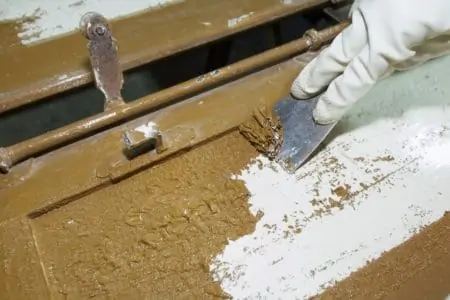
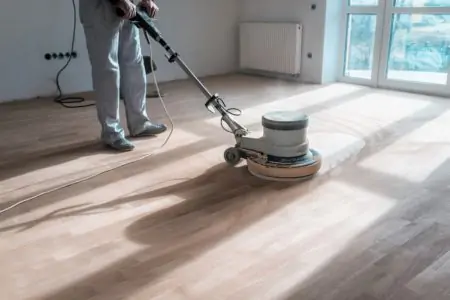
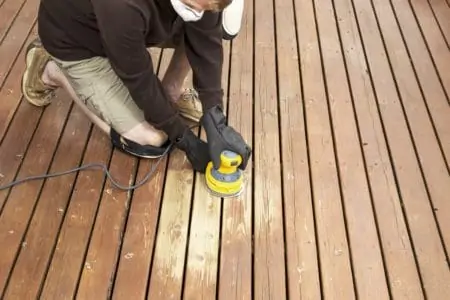
Technique carries the rest. Working up through the grits without skipping one, keeping a floor sander moving so it never dishes the boards, deciding when stripping an old dresser beats sanding it, and knowing where a grinder takes over from a sander. Deck boards, hardwood floors and a piece of furniture heading for refinishing each want their own approach.

More in DIY & Tools