Air Tool Tips, Buying Guides & How To's
The finish nailer stalls halfway down a run of trim, the motor kicks back on every twenty seconds, and eventually the breaker gives up. That is almost never a bad tool. It is a pump and tank sized for topping off tires being asked to feed a tool that wants steady air, so the first question is always how much CFM at 90 PSI the tool draws, not what the tank holds.
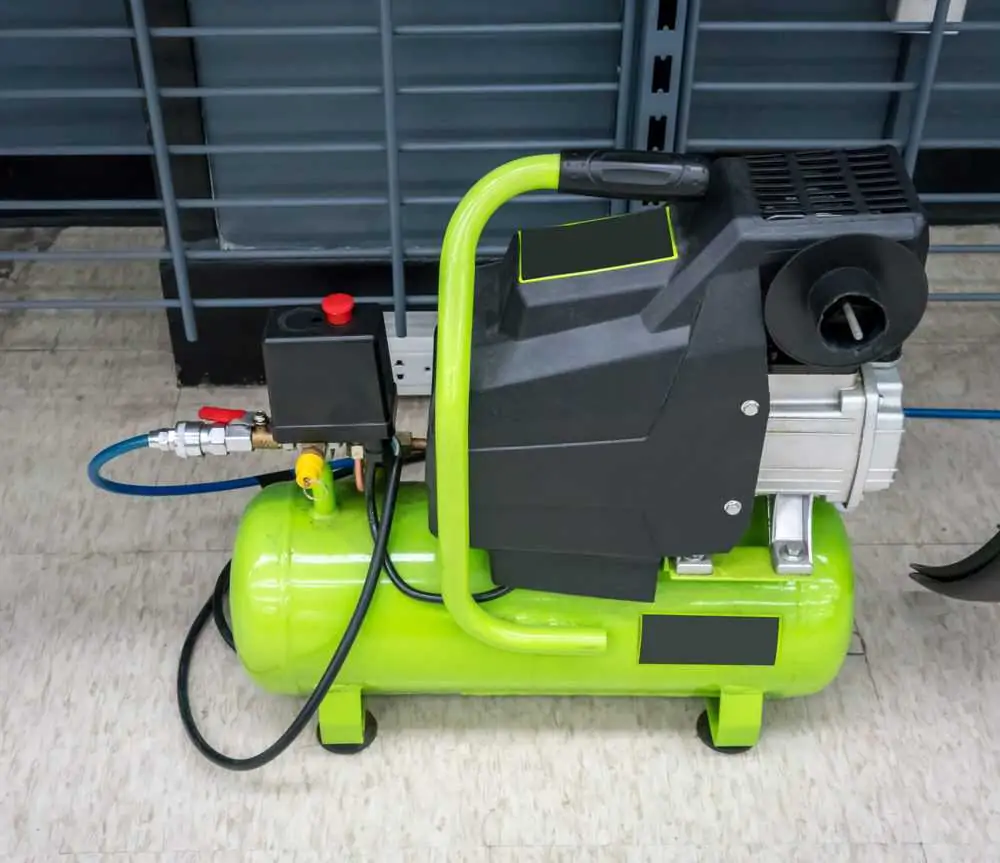
From there it comes down to the work, not the badge on the tank. A 12 volt inflator or small portable handles tires and bike valves, a pancake covers trim, brads and the occasional staple gun, and a 20 or 30 gallon upright suits a home garage running an impact wrench. Step up to a 60 gallon two stage for spraying, sanding or a shop running two tools at once. Oil-free is easier to live with; an oil-lubed pump runs quieter and lasts longer if you keep up with it.
The rest is habits. Learn what SCFM and duty cycle mean before you trust a ratings plate. Set the regulator to the tool, not to the tank. Drain the moisture out of the bottom of the tank after every session, and put a water separator ahead of any spray gun unless you like fisheyes in fresh paint. And if the noise is the problem, an intake muffler, rubber feet and a bit of distance do more than anything you can buy.
More in DIY & Tools