Flooring Installation, Repairs, Cleaning & How Tos
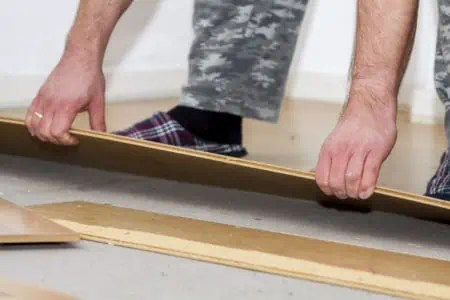
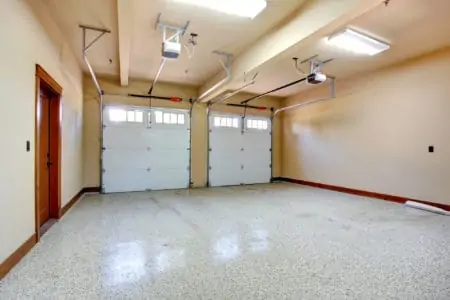
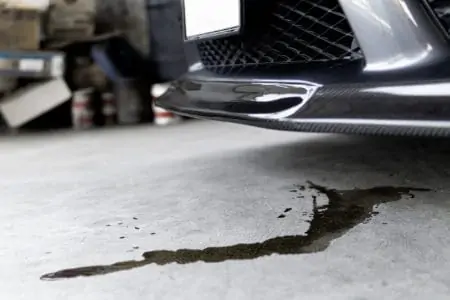
A laminate plank that clicks loose a few months after install is usually not the plank. Run a straightedge across the slab and you find a dip the underlayment could never bridge, so the joint flexes underfoot until it unlocks. Concrete floors fail the same way from the bottom up: a garage slab that was sealed while still green, or an epoxy coat rolled over oil stains that were never degreased, lets go in patches by the second winter.
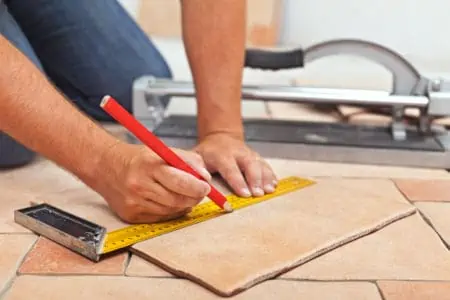
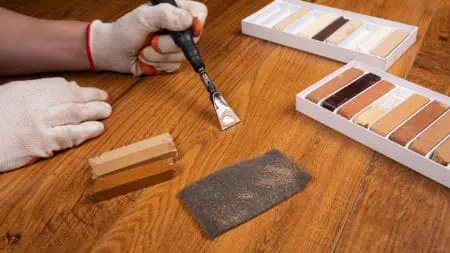
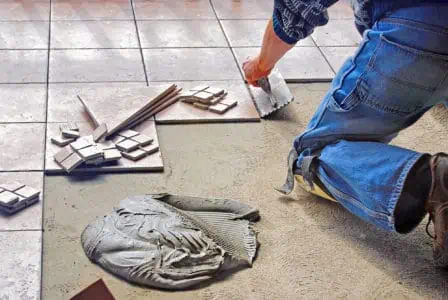
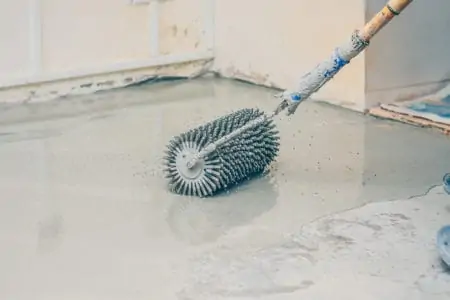
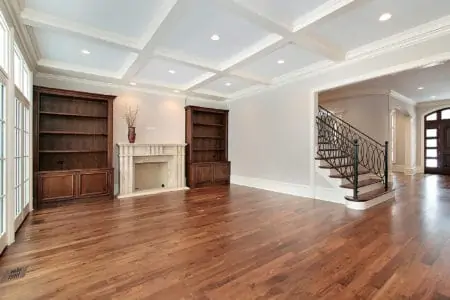
Before ordering material, four questions decide the job: how flat the subfloor is across the whole room, whether the slab pushes moisture up through the finish, what has to come up first and whether it is glued, mortared or floating, and how hard the floor gets used, by cars, pets or wet boots. The answers point toward laminate, porcelain or wood-look tile, carpet tiles, a sealed and painted slab, or hardwood brought back with a water-based polyurethane. The rest is technique: cutting tile without chipping the glaze, leveling a slab before it takes a floor, filling cracks in a patio, sealing pavers and driveways, and getting scratches out of laminate without stripping the whole plank.