Is your garage floor filthy and filled with stubborn stains you don’t know how to get rid of?
From rust to oil, pretty much everything has a chance to end up on the garage floor.
This how-to guide will teach you how to clean a garage floor based on the stain.
Key Takeaways
- Choose the right cleaning solution for the stain: detergent for mild stains, muriatic acid for rust and oil stains, and trisodium phosphate (TSP) for heavy-duty cleaning.
- For a more natural option, mix baking soda and warm water to create an all-purpose cleaner that removes most stains from garage floors.
- Professional garage floor cleaning services are available if you don’t want to clean it yourself. They often use pressure washers for effective cleaning.
- When cleaning an epoxy garage floor, use a dust mop weekly, wash the floor with a mixture of ammonia and water, and remove residue with hot water or a gentle scrubbing pad.
- What to Clean a Garage Floor With
- Homemade Cleaning Solutions
- Garage Floor Cleaning Services
- How to Clean a Garage Floor Without a Pressure Washer
- How to Clean Garage Floor Oil Stains
- How to Clean Paint Off a Garage Floor
- How to Clean an Epoxy Garage Floor
- Deep Cleaning Garage Floors
- What to Avoid When Cleaning Garage Floors
- How to Keep a Garage Floor Clean
- FAQs
- The Bottom Line
What to Clean a Garage Floor With
Always pair your cleaning solution to the mess at hand. Certain oils and chemicals require specific methods.
Detergent
If you’re dealing with mild stains, using detergent is probably the best way to clean a garage floor. It’s easy, effective, and you already have the ingredients around the house.
Dish soap, which dissolves grease in water, is especially useful for cleaning oily patches on concrete floors, such as those in garages. Even for ordinary concrete floor cleaning, a few drops of dish soap in a pail of water will be enough. There is no need for specialized floor cleaners.
Muriatic Acid
Muriatic acid is a chemical that is readily available at most hardware stores. It is frequently used in pool cleaning applications to maintain the pH balance, but it can also be an efficient stain remover for various stains.
Tip About Muriatic Acid
Despite its vast range of cleaning capabilities, muriatic acid is hazardous to handle and must be administered at the proper dilution to avoid damaging surrounding vegetation and substrates.
It can be used to clean garage floors because it removes rust and oil stains, mineral stains, paint splatter, and brightens concrete.
TSP
Trisodium phosphate (TSP) is a blended cleaning product that contains 75 to 80 percent trisodium phosphate and 20–25 percent sodium carbonate.
TSP is often supplied as an unscented dry powder that must be properly mixed with hot water to produce a mostly clear, albeit slightly murky, solution. It’s an efficient, heavy-duty cleaner for greasy or unclean places around the house.
Contractors and painters frequently use TSP to guarantee that the surface is clean, dust-free, and ready to accept the paint. If you’re going to go this route, I’d suggest this box of TSP that comes with rubber gloves.
Check Local Guidelines
Many towns have banned the use of phosphates. It is alkaline, which means it will not destroy your concrete, but it is enough to irritate the skin and potentially cause burns. TSP is also known to be harmful to the environment.
If the phosphates reach lakes and streams, they cause an algal bloom, deplete the water’s oxygen levels, and endanger fish.
Homemade Cleaning Solutions
Chemicals are not for everyone. You might not want to use a toxic garage floor cleaner for you and your family, and that’s perfectly okay.
If you prefer more natural solutions, add a pinch of baking soda to the mix. Just mix half a cup of baking soda and a gallon of warm water to create an all-purpose cleaner. It quickly removes all stains from your garage floors.
Other ingredients used to clean garage floors include white vinegar, lemon, dish detergent, and laundry detergent.
Garage Floor Cleaning Services
If cleaning the garage floors yourself is too time-consuming or exhausting, you can always turn to a professional to do it for you. You can hire garage floor cleaning services in your area based on searches that rely on your zip code.
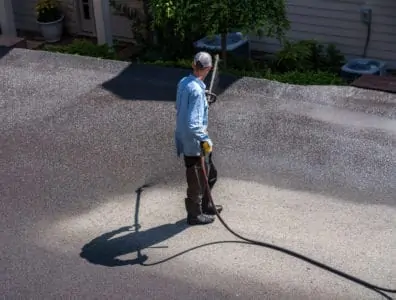
Most companies use pressure washers to help clean the garage floors. These machines will heat water that melts away different types of stains and stubborn debris.
These professionals have a wide and expensive array of industrial equipment and cleaning solutions for concrete or epoxy surfaces.
How to Clean a Garage Floor Without a Pressure Washer
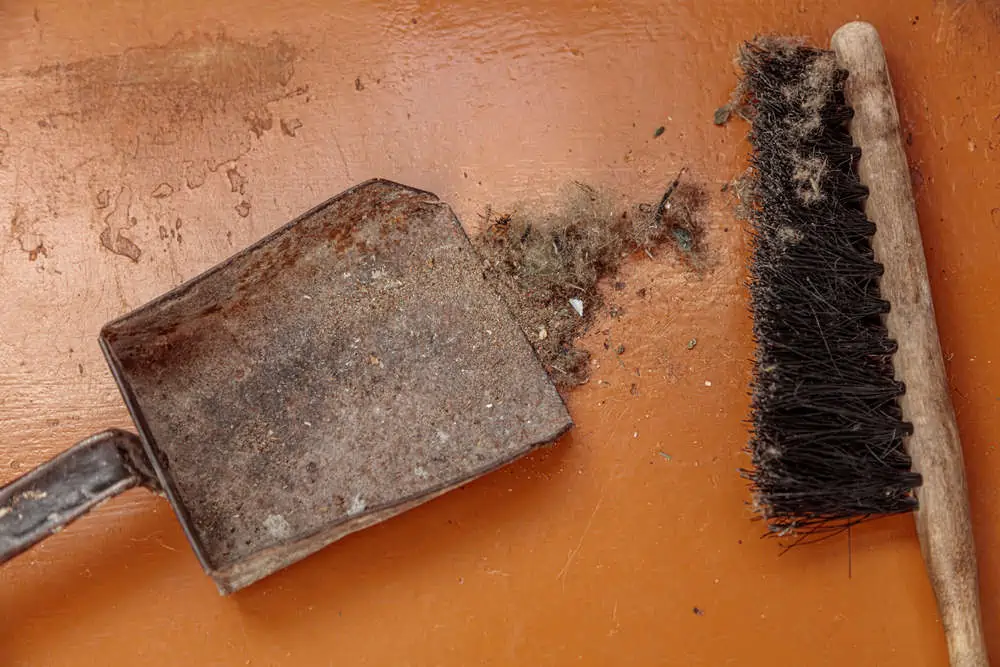
Sometimes, you can’t afford to rent a pressure washer and have to clean your garage floor using other methods.
What You’ll Need
- Broom.
- Dustpan.
- Plastic drop cloth.
- Cleaning solution.
- Water.
- Brush.
- Degreaser.
1. Clear the Floor
Begin by removing everything from the garage floor before you start cleaning (that includes the car). Shelf items may be left alone if they are not in the way of any cleaners, hoses, or water spray.
2. Cover the Outlets
Protect the power outlets and drywall by pinning or taping a plastic drop cloth or sheet to the walls at least three feet above the floor. This is to protect your walls from soapy stains and water damage.
3. Clean the Floor
Grab the broom and give your garage floor a thorough sweep. This will help eliminate any large debris chunks, dust, and dirt.
4. Remove the Stains
The way you deal with stains depends on the stains in question. We cover specific stains in more depth further in the article, but here is an overview:
- Use detergent and water to get rid of most mild garage floor stains.
- Vinegar or lemon juice help with rust stains.
- Cat litter will help absorb oil and grease stains.
- Store-bought grease removers are a good alternative to cat litter or sawdust.
- Feel free to clean your garage floor with muriatic acid. Combine one-part muriatic acid and 10 parts water and apply it to a tough rust stain.
Remember
Muriatic acid is too strong to be used on epoxy floors.
How to Clean Garage Floor Oil Stains
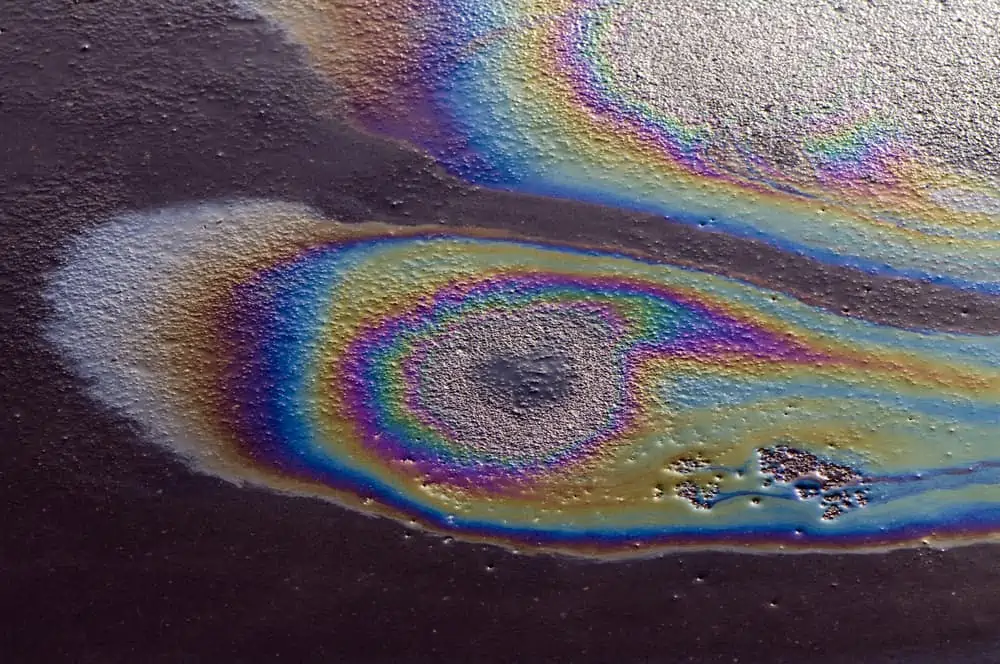
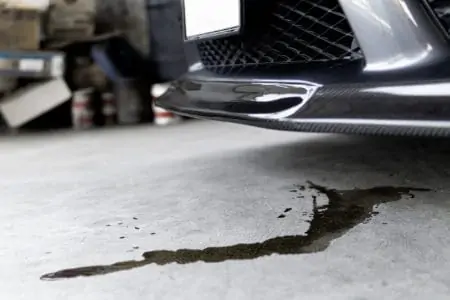
Oil and grease stains are an unavoidable occurrence in a garage. Automobiles and outdoor power equipment all have the potential to leak fluids.
It’s essential to clean up spills as soon as possible. This is to avoid sliding on fresh oil, tracking it into the house, or leaving a tenacious stain.
What You’ll Need
- Cat litter or sawdust.
- Broom.
- Liquid detergent.
- Nylon-bristle brush.
- Power jet wand.
- Lemon juice or white vinegar.
1. Absorb Excess Liquid Immediately
You can sprinkle some cat litter on top of grease and oil stains to help absorb the liquid. Leave whatever you sprinkled on top of the stain for a full day. Sweep it up and dispose of it when the time is up.
2. Apply the Detergent
Put some liquid detergent or dish soap on top of the stain and allow it to soak for 45 minutes. Put some water on top of the stain and use a nylon-bristle brush to scrub the surface. Make sure the tool you use will not scratch the floor.
Allow the soap and water mix to sit on top of the stain for another 15 minutes. Rinse the area clean using a power jet wand. Make sure the soapy water is directed outside the garage for easier cleaning.
3. Cleaning Rust Stains
To get rid of rust stains, pour some white vinegar or lemon juice on top of the stain. Allow this liquid to sit on the stain for about 10 minutes or so. Then use a nylon-bristle brush to scrub the stain and rinse the area with water.
Alternatively, you can use laundry detergent with baking soda. This paste-like mixture can be left on the stain for up to an hour. Scrub and rinse clean when the time is up.
How to Clean Paint Off a Garage Floor
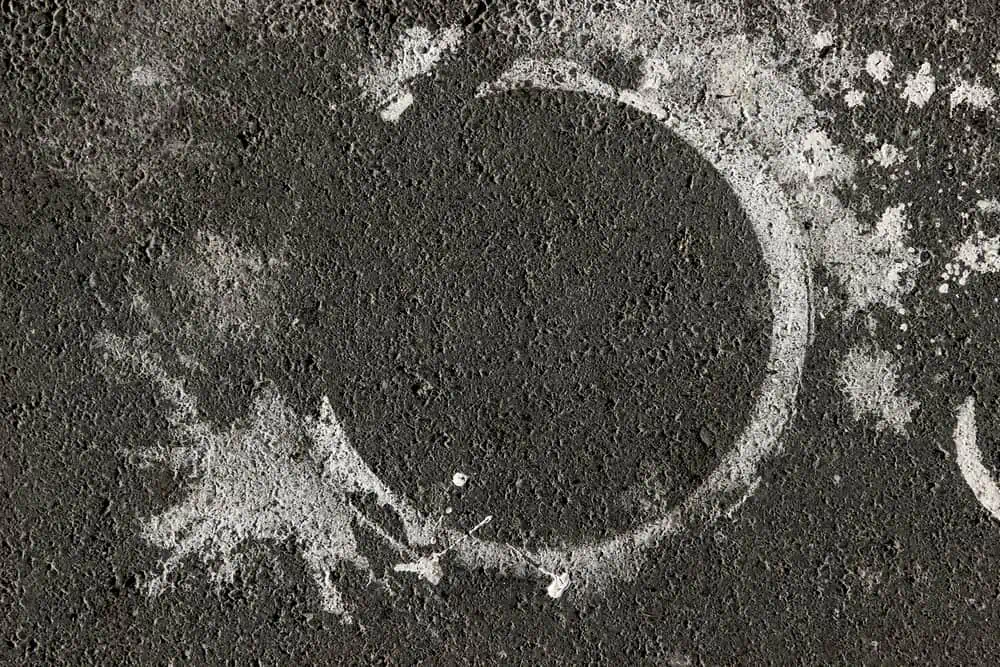
Before painting jobs, it’s always best to lay out plastic sheeting on your garage floor. This will make cleaning potential stains a lot easier. But if you’ve unintentionally painted your garage floor, here is how to get rid of the stains.
What You’ll Need
- Safety goggles.
- Pressure washer.
- Dust mask.
- Rubber gloves.
- Putty knife.
- Chemical paint stripper.
- Trisodium phosphate.
- Long-handled brush.
- Broom.
1. Clean the Floor
Before cleaning paint off the floor, you need to give the entire floor a thorough cleaning. Mix a solution of soap and water. If you want, you can also dilute some trisodium phosphate.
Clean the cement floor to get rid of as much dirt and debris as possible. Apply the TSP or soapy water onto the concrete using a long-handled brush. Rinse the area and allow it to dry.
Safety
It’s very important to use protective gear when working with trisodium phosphate (TSP) as it’s a toxic substance.
2. Apply Paint Stripper
Scrape away any chipped or peeling paint with a putty knife. After that, prepare to apply the chemical paint stripper. You must use one specifically developed for the sort of paint you are attempting to remove.
In other words, employ an oil-based paint remover on an oil-based paint-coated surface. If you’re unsure, the best action is to use an oil-based paint stripper.
Allow the concrete to sit for six to eight hours after coating it with paint remover. A chemical reaction will occur during that period, allowing the magical removal of paint.
3. Remove Paint Residue
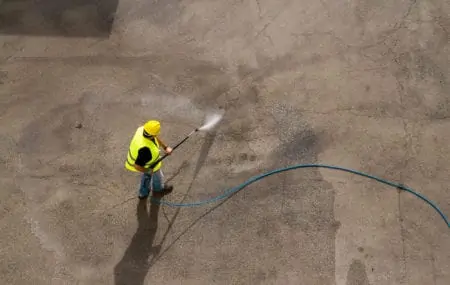
If your garage is small, you can use a paint scraper or a wire scrub brush for this part. If you have to deal with a larger surface, it would be easier to rent a pressure washer.
Once the pressure washer is set to 3,000 psi, begin blasting away the paint stripper residue. If you notice that not all paint residue has been removed, feel free to repeat this step.
How to Clean an Epoxy Garage Floor
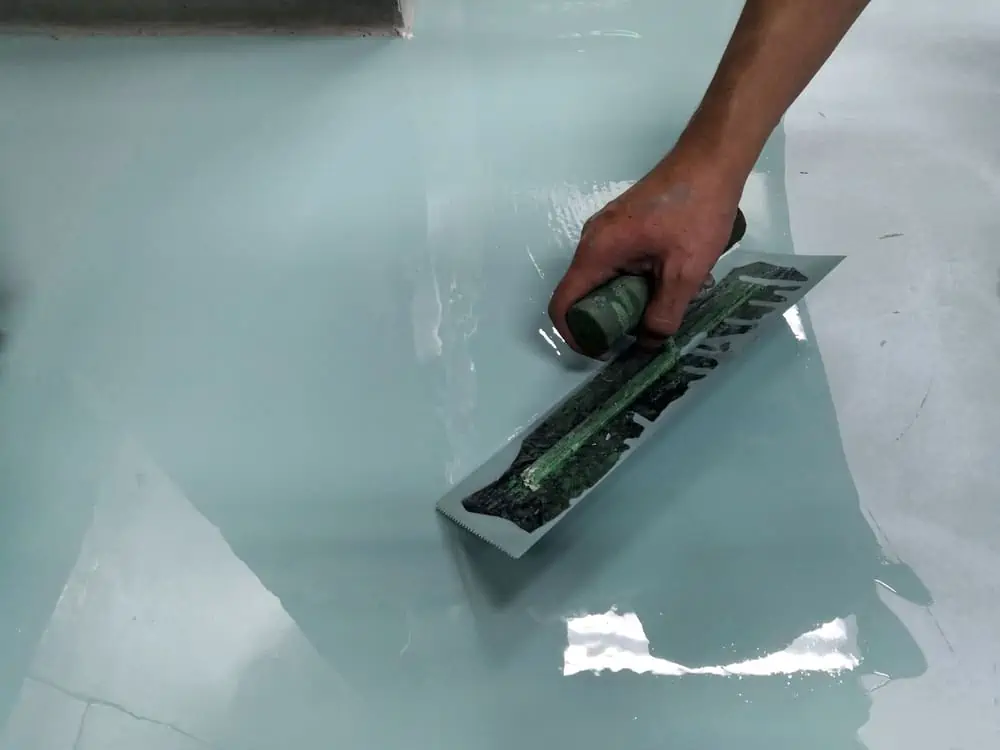
An epoxy floor requires a little extra love and care. Follow these steps if you’ve got an epoxy garage floor.
What You’ll Need
- Dust mop.
- ½ cup ammonia.
- One gallon of water.
- Clean bucket.
- Sponge.
- Clean cloth.
- Hose.
1. Mop the Floor
To keep an epoxy floor in top shape, you should clean it with a dust mop every week. Just run it over the entire floor and put it in the washing machine between uses.
2. Wash the Floor
Create a mixture using half a cup of ammonia and a gallon of water. Dip your mop in this cleaning solution and slide it across the floor. When you’re done, pat the area dry with a towel or allow it to air dry.
Do this every four months to make sure the floor stays clean.
3. Remove Residue
If any residue from road treatments or salt remains on the epoxy floor, simply pour hot water on it to clean it. Then wipe it clean using a cloth or rag. Alternatively, you may simply hose down the floor and mop it afterward.
4. Clean the Stains
Stains should be sprayed with hot water and gently scrubbed with a sponge or a scrub pad. You can always turn to products such as Soft Scrub if need be. Apply to the stain and scrub the area, followed by rinsing.
Deep Cleaning Garage Floors
It’s recommended to deep clean a garage floor occasionally to keep it spotless.
Using Power Washers
If your garage floor is very unclean, a power washer may be necessary to remove stubborn grime. If you do not have a power washer at home, you can rent one from a nearby hardware store.
Using Buffers
A buffer is an extremely effective method of refinishing concrete floors. It’s a machine equipped with a robust scrubber usually made from nylon. A buffer can be rented from a local hardware store.
What to Avoid When Cleaning Garage Floors
Concrete garage floors have been around for a long time. While it’s one of the most durable flooring choices, it always requires some upkeep. That includes knowing what mistakes to avoid when cleaning it.
Mopping the Floor Excessively
You may be tempted to clean your floor daily. But, when you clean the floor with strong detergents that don’t rinse well, the floor can appear dull. Generally, all that is required is routine vacuuming or sweeping.
Using Unsuitable Cleaners
When a rapid wash is required, use a neutral cleaner with a pH value of roughly seven or eight. There are numerous cleaners available, all of which are meant to clean softly and without causing damage to the floor.
Leaving the Floor Wet
After cleaning it, always find a way to absorb moisture left on the garage floor. Whether it’s a microfiber cloth or cotton towels, you need to ensure all remaining moisture is properly removed.
Be Careful with Cleaning Epoxy
While epoxy is a very durable material, there are certain cleaners that you should avoid at all costs. These include the following:
- Citrus fruits like lemons or oranges are frequently advised to eliminate stubborn stains. But they can also dull the surface and eventually result in damage.
- It can be infuriating to clean your garage floor twice due to a filmy residue. Avoid soap-based cleaners.
- Vinegar is usually good for cleaning stains, but it can also de-gloss epoxy surfaces.
How to Keep a Garage Floor Clean
If you’ve been ignoring your garage floor for a while, here’s something you should know. Debris, slush, and mud must be removed regularly, whether it’s due to winter snow or summer oil and grease marks. Indeed, most garage flooring is concrete, which is easy to clean. However, concrete is susceptible to salt, and frequent water deposits damage the porous surface. To avoid this, you must regularly scrub the surface and check for cracks.
Consider Epoxy Coating
Opt for epoxy coating on your garage floor to give it a professional appearance and a nice polish. Surfaces like this are easy to clean, and they add value to your home.
The epoxy coating acts as a concrete filler when applied in paste form. It’s a bit expensive but worth it if you want to be able to clean your garage floors easily.
Repair the Garage Door
Even if you don’t drive much during the winter and store your car in the garage, snow and ice can accumulate. If your garage door isn’t sealed correctly, there’s a good chance that snow will seep in through any gaps. Make sure that any spaces between the door panels are sealed to prevent this.
Declutter the Garage
Declutter the area by eliminating any toys or other objects. Concentrate on organizing them all in storage spaces designated for these objects.
For example, you can hang your bike on the wall and store toys and tools in storage lockers. In this manner, you can avoid a lot of debris and dust.
Check Your HVAC
If your garage is equipped with an air conditioning or heating system, it’s time to verify that the filter is in good condition. Especially after winter when it’s been used heavily.
If you don’t have an HVAC system in your home, you can also use a separate air filtration system.
Clean Stains Immediately
You must mop up oil spills immediately to avoid grease marks on the floor. Allowing the oil or solution to sit for an extended period can make it more difficult to remove afterward.
Mopping the floor using disposable rags or paper towels is an excellent idea because they can be discarded after use.
Acid-based treatments such as vinegar or lime juice may be effective for rust stains. After pouring the solution, use a scrub brush to scrape the stain away.
Alternatively, sprinkling cat litter over grease spots and leaving them overnight, or purchasing a grease remover from a local store, can work well.
FAQs
Check out what others are asking online. I’ve answered these common questions to give you even more helpful info!

Can I Use Dawn to Clean My Garage Floor?
Dish soap, which dissolves grease in water, is useful for cleaning oily patches on concrete floors, like those in garages. Even for ordinary concrete floor cleaning, a few drops of Dawn dish soap in a pail of water will suffice.

Can I Use Acetone on My Garage Floor?
If you leave toxic substances on your garage floor for longer periods, you might have to use a solvent-based cleaner. That would include acetone.

How Much Does It Cost to Pressure Wash a Garage?
Cleaning your garage floor using a pressure washer costs between $100 and $200, including labor costs.
The Bottom Line
I hope you gained some useful tips on how to clean a garage floor. Remember that the best way to clean a garage floor depends on what the surface is made of and the stain you want to remove. Remove spills as they occur to make overall cleaning easier.