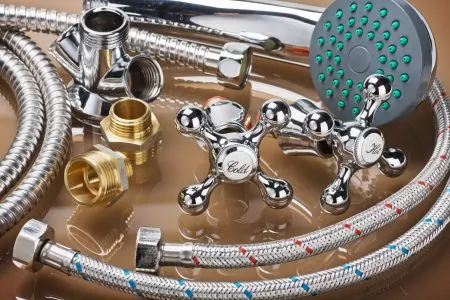
A shower valve might not be the first thing you think of when renovating or updating your bathroom. There are more obvious features such as your choice of bathtub and floor and wall tiles.
However, the shower valve is one of the most important parts of any modern bathroom, determining your shower’s potential water pressure and temperature. There are countless valves to choose from, which can make it overwhelming trying to find the ideal model for your bathroom.
To help you find your perfect valve, we have reviewed seven of the best shower valves available today. We chose these models based on their type, temperature control, water pressure, materials, and warranty.
- Solid brass build
- Effective pressure regulation
- Reduces noise
- Eco-friendly indoor option
- Ideal for RV showers
- Pull chain control
- Mobile app control
- Supports multiple attachments
- Thermostatic
- Five-year warranty
- Three-way diverter
- Polished chrome finish
- Secure shut-off
- Easy to grip
- Tough brass construction
- Designed for pressure testing
- Prevents temperature fluctuations
- Fits any Kohler-made trim
- Anti-corrosion stainless steel
- Faucet & trim can be replaced
- Reliable temperature control
Review Methodology: At Sensible Digs, we believe in providing you with comprehensive data drawn from hands-on experience and rigorous research. Our in-depth analysis and assessment of the best shower valves are based on specific criteria and benchmarks, allowing us to compare and rank each product effectively. We focus on key factors such as performance, design, durability, and user-friendliness. Our professional evaluations are backed by evidence, ensuring that our findings are factual and reliable. We aim to measure and track product standards to help you make informed decisions. Trust our reviews as we test each product thoroughly, scoring them on their unique features and merits that set them apart from competitors.
The Best Shower Valves of 2024
There are countless shower valves currently available, so it can be very time-consuming to find the ideal model for your bathroom. To narrow down your search, we have reviewed seven of the best shower valves you can buy today. These models were chosen for their durability, user-friendliness, warranties, and ease of installation.
Grohe Remote Pressure Balance Valve
Best Shower Valve for Fickle-Pressure Homes
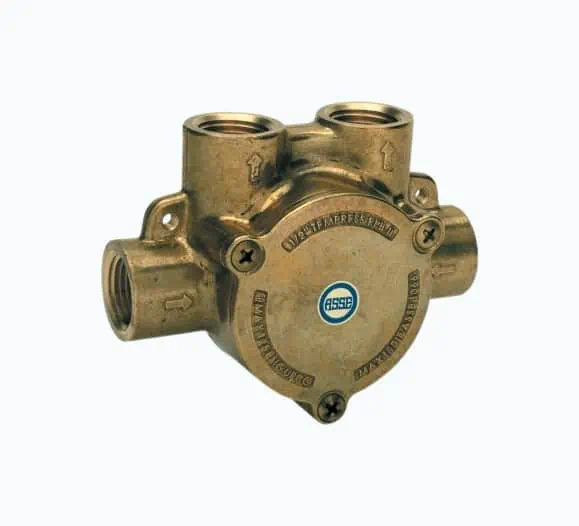
This Grohe pressure balance shower valve is designed to prevent sudden blasts of hot or cold water when someone flushes a toilet or uses a faucet elsewhere in your home. It also prevents knocking sounds in your shower thanks to providing consistent water pressure.
With solid brass construction, this model is built to last. Most manufacturers based in the United States use pipes between one-eighth to 2 inches in diameter (1). This means there is a good chance that this model’s 0.5-inch inlet will connect to your pipes.
Pros
- Heavy-duty build
- Consistent pressure regulation
- Can help quieten loud showers
Cons
- Some reviews mention unclear instructions
Product Specs
| Material | Brass with chrome finish |
| Type | Pressure balancer |
| Connection | 0.5-inch inlets |
| Manufacturer | Grohe |
| Warranty | Information not available |
Our Ratings
User Experience
EZ-FLO Self-Closing Shower Valve
Best Shower Valve for Serious Water Conservation
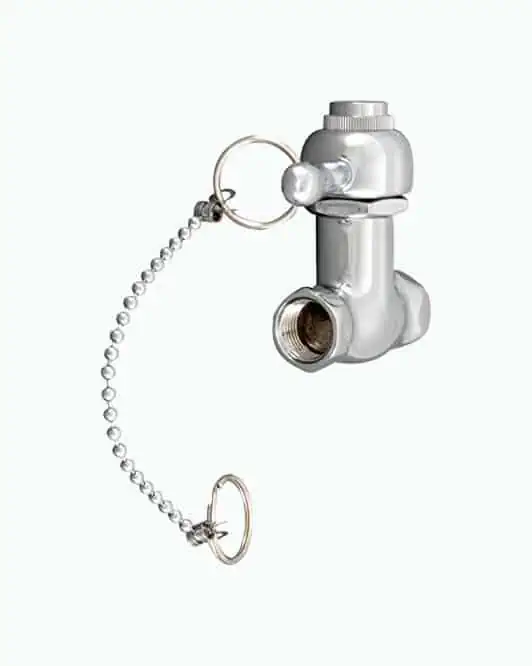
This EZ-FLO shower valve is very versatile. It was designed for outdoor showers but will work equally well indoors. It prioritizes water conservation and is very user friendly. You simply pull the chain to open the water flow, then release it to close the valve again.
Every minute of your shower uses an estimated two gallons of water, so the shorter the better (2). This is designed to discourage long showers as it is only active while you are pulling on the chain, keeping water waste at a bare minimum.
Whenever you need to apply shampoo or leave your conditioner to sit, you simply release the valve to cut the water. This is also a great option for RVs or campers, as it will make your water tank last as long as possible.
Pros
- Eco-friendly indoor option
- Ideal for outdoor and RV showers
- Easy installation
Cons
- Doesn’t regulate water pressure or temperature
Product Specs
| Material | Brass with chrome finish |
| Type | Shut-off |
| Connection | 0.5-inch inlets |
| Manufacturer | EZ-FLO |
| Warranty | Information unavailable |
Our Ratings
Personal Perspective
Moen S3102 Thermostatic Shower Valve
Best Digital Shower Valve
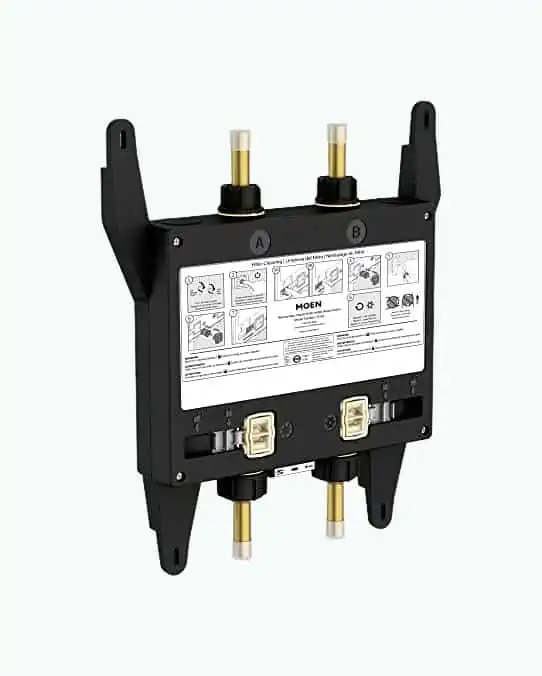
The Moen S3102 U is intended for homeowners looking to upgrade to a smart shower, incorporating cutting-edge technology.
The LCD control panel is user-friendly and you can connect to it using your phone via the U app and Amazon’s Alexa. You can also pre-select your favorite temperature to enjoy a soothing shower every time.
This model has a high level of compatibility. It supports more than one attachment at a time and is available as both a two-outlet and a four-outlet model. This means is a good option for homeowners with a wide range of bathroom layouts.
Pros
- Packed with innovative features
- Wide compatibility
- Thermostatic
Cons
- The 4-outlet model is far pricier than the 2-outlet version
Product Specs
| Material | Copper inlets and outlets |
| Type | Digital with thermostatic and diverter capabilities |
| Connection | 0.5-inch inlet and outlet |
| Manufacturer | Moen |
| Warranty | Limited lifetime |
Our Ratings
Community Feedback
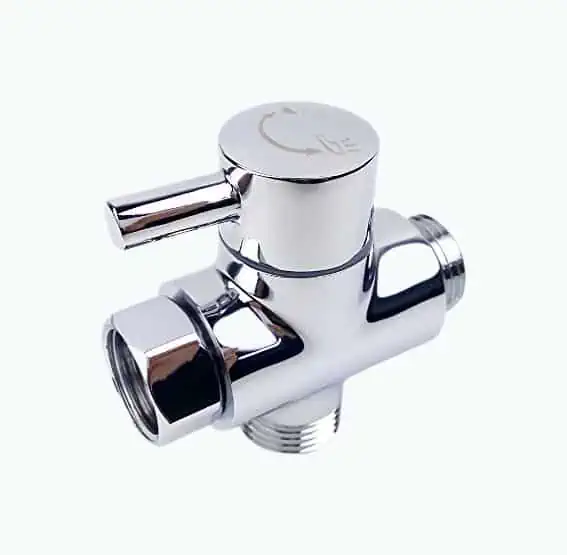
Mingor Polished Chrome Universal Diverter Arm
Most Attractive Diverter
Diverter valves need to be out in the open where they are clearly visible. Functionality is always the most important aspect of a valve, but you will still appreciate the polished chrome finish of this Mingor unit.
The valve doesn’t disappoint in terms of performance either. It is a three-way valve so you can connect it to your overhead shower head and handheld to use them independently or simultaneously.
If you decide to use both heads together, keep in mind that the flow rate will be cut in half. However, it is still a useful option for bathers who want to benefit from two attachments at the same time.
This valve includes a generous five-year warranty. Combined with the durable brass interior, you will be able to use this valve with confidence for several years.
Pros
- Five-year warranty
- Three-way diverter
- Striking chrome finish
Cons
- Some users report a reduced flow rate after installing this valve
Product Specs
| Material | Brass with polished chrome finish |
| Type | Diverter (three-way) |
| Connection | 0.5-inch inlet and outlet |
| Manufacturer | Mingor |
| Warranty | Five years |
Our Ratings
First-Hand Impression
KES K1140B3 Polished Chrome Valve
Best Shower Valve for Precise Flow Control
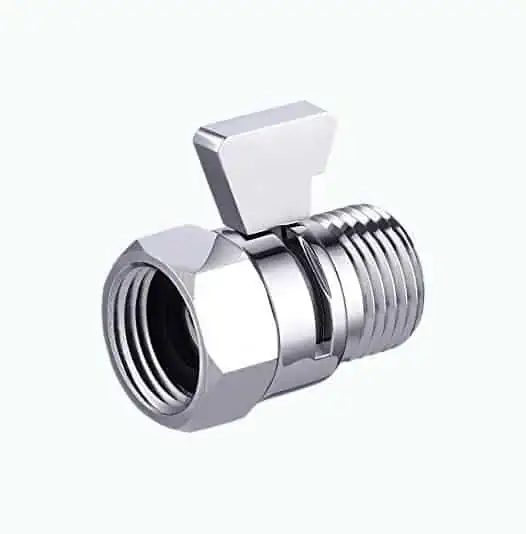
The KES K1140B3 provides precise control of the flow rate in your shower. It has a large lever handle that is easy to grip even with wet hands. This user-friendliness is very helpful during difficult cleans, such as when you’re washing your dog and need to stop the flow temporarily.
You simply twist the knob to cut the flow completely or reduce the pressure however much you like. This shut-off valve is very strong when fully closed, with many user reviews mentioning that there are no drips or leaks.
This unit will help you reduce your water waste, especially if paired with a water-reducing showerhead. Another advantage is that the chrome finish will complement the majority of modern bathroom fixtures.
Pros
- Secure shut-off
- User-friendly lever operation
- Tough brass construction
Cons
- Some reports of leaks
Product Specs
| Material | Brass with polished chrome finish |
| Type | Shut-off |
| Connection | 0.5-inch inlets |
| Manufacturer | KES |
| Warranty | Information not available |
Our Ratings
User Experience
Kohler K8304 Universal Shower Valve
Best Shower Valve for Adaptability
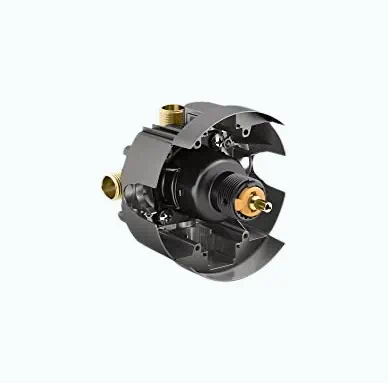
The Kohler K8304 is a versatile pressure-balancing shower valve. It can be installed with any trim produced by Kohler, so you aren’t restricted to specific models.
This unit is designed for easy installation. Its compact build allows it to work with back-to-back, thin-wall, and thick-wall installations.
Before installing the valve, you can test the water pressure. The K8304 has a built-in test cap for this purpose.
This shower valve works very effectively as a pressure balancer, eliminating the unpleasant hot and cold temperature fluctuations that some showers allow.
If you are tired of cold showers because someone else in your house flushes a toilet, consider this valve. The water flow will stay consistent, even if your dishwasher or other appliances are running.
Pros
- Versatile
- Effective at controlling pressure
- Fits any Kohler-made trim
Cons
- Some complaints of installation complications
Product Specs
| Material | Brass body |
| Type | Pressure balancer |
| Connection | 0.5-inch inlets and outlets |
| Manufacturer | Kohler |
| Warranty | Information not available |
Our Ratings
Personal Perspective
Moen 2510 Brass Posi-Temp Valve
Best Shower Valve for Temperature Safety
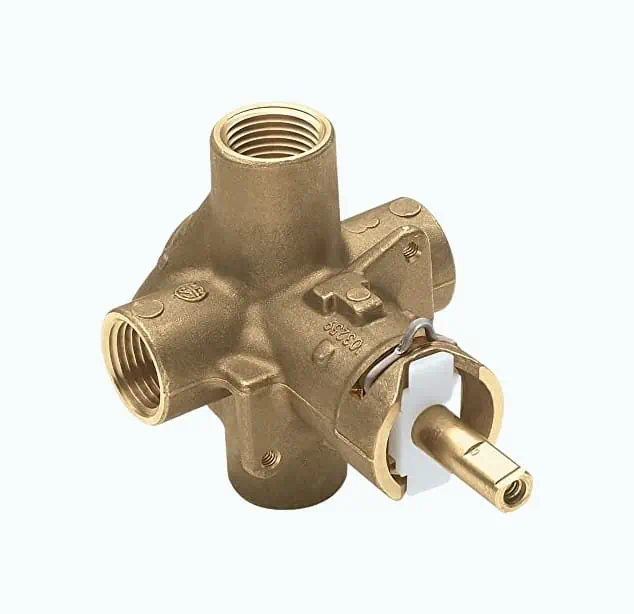
If you are concerned about scalding, such as if you have children in your home, the Moen 2510 Posi-Temp valve offers an excellent solution.
You can set a maximum water temperature to eliminate the risk of injuries. Even if the knob is turned to its maximum, this limiter means it will not exceed your temperature limit.
When the time comes to replace your faucet, this valve means the process will be straightforward. The trim kit can be replaced without interfering with your plumbing.
As a Moen shower valve, this product includes a limited lifetime warranty. The construction is very durable nonferrous stainless steel. Nonferrous metals are highly rust-resistant, which means a longer lifespan for your shower valve (3).
Pros
- Made with anti-corrosion metals
- The faucet and trim can be replaced easily
- Reliable temperature control
Cons
- Doesn’t regulate water pressure
Product Specs
| Material | Non-ferrous, non-metallic stainless steel materials |
| Type | Thermostatic |
| Connection | 0.5-inch inlets and outlets |
| Manufacturer | Moen |
| Warranty | Limited lifetime |
Our Ratings
Community Feedback
| Product | Best | Material | Type | Connection | Warranty |
|---|---|---|---|---|---|
| Grohe Pressure Balance Valve | Fickle-Pressure Homes | Brass with chrome finish | Pressure balancer | 0.5-inch inlets | N/A |
| EZ-FLO Self-Closing Valve | Water Conservation | Brass with chrome finish | Shut-off | 0.5-inch inlets | N/A |
| Moen S3102 Thermostatic Valve | Digital Shower Valve | Copper inlets & outlets | Digital with thermostat and diverter | 0.5-inch inlet and outlet | Limited lifetime |
| Mingor Polished Chrome Diverter Arm | Attractive Diverter | Brass with chrome finish | Diverter (three-way) | 0.5-inch inlet and outlet | Five years |
| KES K1140B3 Polished Chrome Valve | Precise Flow Control | Brass with chrome finish | Shut-off | 0.5-inch inlets | N/A |
| Kohler K8304 Universal Shower Valve | Adaptability | Brass body | Pressure balancer | 0.5-inch inlets and outlets | N/A |
| Moen 2510 Brass Posi-Temp Valve | Temperature Safety | Stainless steel | Thermostatic | 0.5-inch inlets and outlets | Limited lifetime |
Understanding Shower Valves
Shower valves might seem relatively simple but they have some unique features that set them apart from each other. You might also see some technical terms and jargon that you haven’t heard before, such as:
- Rough-in valve: Every shower valve is equipped with a rough-in valve. It is the part that connects to the hot and cold water supplies (4).
- Mixing valves: Technically called “thermostatic mixing valves (TMVs)”, these components mix hot and cold water to achieve the desired temperature and keep it consistent throughout your shower (5).
- Inlets and outlets: Any connection that channels water must be watertight to prevent leaks. This means shower inlets and outlets must fit perfectly into your existing plumbing. The tapered threads come together to form a watertight seal (6). Ensure the size (for example, a 0.5-inch inlet) matches what you currently have.
Shower Valve Types
Thanks to technological advancements, there are now several types of shower valves to choose from. There are benefits to each of these types, with your main options being:
Digital Valves
Digital valves are very user-friendly and offer precise temperature control thanks to their digital displays. They allow you to adjust various aspects of your shower using a control panel rather than a traditional handle. This includes pressure, temperature, and which outlet you want to use if your shower has multiple.
These shower valves are among the most advanced you can buy and usually feature cutting-edge technology. Unsurprisingly, this also means they are more expensive than conventional shower valves.
They can also require extra installation work such as new electrical wiring in order to use the shower panel. You might need to purchase specific new faucets or shower heads that are designed to work with digital valves.
Pros
- Perfect for anyone who enjoys modern technology
- Very user-friendly
- Enables you to pre-program your shower
- Some digital valves can be controlled remotely
Cons
- Expensive
- Must have a compatible shower head and other parts
Thermostatic Valves
Thermostatic valves have two handles. One handle controls the water pressure, while the other adjusts the temperature.
An element (usually wax) inside the valve responds to heat. If the cold or hot water supply is interrupted, the shower is automatically shut off to prevent a sudden blast of scalding hot or freezing cold water (7).
Some models also allow you to manually set a maximum water temperature in case your hot water is particularly hot or you simply don’t enjoy very warm showers.
If you find your current shower unpredictable in terms of water temperature, a thermostatic unit is an ideal solution. They bring consistency to your time spent showering.
Pros
- Prevents hot and cold bursts if the water supply is interrupted
- Safe for everyone thanks to temperature regulation
- Provides consistency while showering
Cons
- Lacking in features compared to more advanced types
Pressure-Balancing Valves
Pressure-balancing valves have a single handle that controls both water volume and temperature. A disc or piston inside the unit maintains consistent pressure even when a water outlet is used elsewhere in your home.
This prevents the familiar feeling of a sudden blast of hot water whenever someone flushes the toilet. Some models also feature limiters to ensure the water flow can’t become uncomfortably or dangerously hot (8).
This valve type is ideal for homes with multiple residents. It should keep your shower consistent, whatever the other members of your household are doing.
Pros
- Ideal for homes with inconsistent water pressure
- Helpful for large households
- Can be equipped with limiters to prevent scalding
- Maintains a consistent flow rate
Cons
- Designed to regulate pressure, not temperature
Diverter Valves
Diverter valves are designed for bathtub-shower combinations and multiple shower heads. They determine which outlet or outlets the water is allowed to flow from.
If you have more than one shower head, such as a rainfall head and a handheld, a diverter valve is essential to prevent water waste and maintain sufficient pressure. Diverter valves can be either pressure balancing or thermostatic.
Pros
- Necessary for multi-attachment showers and shower-baths
- Choice of pressure-balancing or thermostatic
- Usually less expensive than other types
Cons
- Some multi-attachment models will reduce water pressure
Shut-Off or Stop Valves
Shut-off valves or stop valves allow you to immediately stop the water flow by pressing a button or flicking a switch. They can be very helpful if you are trying to reduce water waste, as you can temporarily pause your shower without needing to turn it off entirely.
This is also helpful if you have a small shower enclosure and usually need to turn off your shower if you want to apply shampoo or other products without accidentally rinsing them off.
Pros
- Eco-friendly
- Simple to use
- Ideal for hard-to-adjust showers
- Inexpensive
Cons
- Doesn’t regulate temperature or pressure
What to Look for in a Shower Valve
Before you start shopping for a shower valve, there are some important things to keep in mind, whatever type you choose.

Size
Ensure your chosen shower valve will fit into your shower enclosure and that it is an appropriate size for your bathroom. You can compare its measurements to your current model to get a better sense of its relative size.
Connection
For straightforward installation, make sure the shower valve will connect to your existing plumbing. Most modern plumbing appliances use standard connectors, so this shouldn’t be an issue but it is important to check.

Type
Consider your specific needs when choosing your shower head type. If you want consistent water temperature, choose a thermostatic shower valve. For the most precise control, a digital shower valve will be ideal.

Manufacturer
Some shower valves require shower heads from the same manufacturer, especially advanced models such as digital valves. If you want to replace your shower valve while keeping the rest of your setup, consider choosing the same manufacturer as your existing unit.

Material
Choosing the right material can be the difference between a shower valve that lasts a couple of years and one that lasts several. Brass, stainless steel, aluminum, copper, and bronze are all reliable metals (9).

Installation
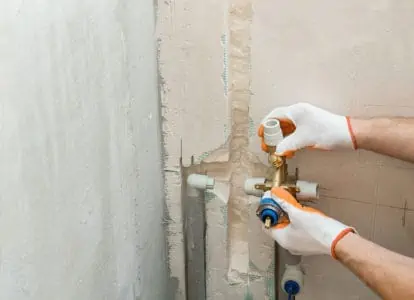
If you intend to install the shower valve yourself, try to choose a model with relatively easy installation. Valves with concealed parts are usually more complicated as you will need to cut into your wall.

Warranty
Shower valves need to be durable enough to cope with constant water pressure. A long warranty is usually a reflection of a shower’s durability, and you will be protected if anything does go wrong with it.
FAQs

Can a Shower Valve Cause Low Water Pressure?
Showers with a single control have a volume valve determining how much pressure is applied. Because of its complexity, this component can, with time, have an effect on the water flow through your shower. In many cases, replacing it is the only choice for repairing it.
Suppose you are having issues with a shower that has a single control. So, it’s recommended you call an experienced plumber to determine whether or not this replacement is required.

How Often Should Shower Valves Be Replaced?
A shower valve will need to be replaced once every four or five years, even if you live somewhere with hard water.

How Much Does It Cost to Replace a Shower Valve?
According to Upgraded Home, the expenses for installing a shower valve can range anywhere from $375 to $575 on average.
Suppose you want to know the hourly rates in your region. In that case, acquiring estimates from many different plumbers is a good idea. That way, you’ll know what kind of expenses to anticipate.
It’s feasible to complete the task on your own. But, if you don’t have a considerable amount of experience, it is highly recommended that you hire a plumber.

Can You Replace a Shower Valve Without Removing the Tiles?
You can replace a shower valve without removing the tiles only if there is another way to access the wall behind those tiles. When the plumber arrives, they will inspect the issue and decide the optimum entrance point for replacing or repairing the shower valve.
Although the plumber will take caution to cut or remove only the necessary tile, you may still have to do minor tile restoration work if the opening is particularly large.
The plumber may install an oversized escutcheon to hide the enlarged hole in the tiled wall, a solution that works for most tile restorations.

Do I Have to Replace the Valve When Replacing My Shower Faucet?
If your shower faucet is leaking, your bathroom needs updating, there are mineral deposits, or you just want to update the look, you should consider replacing the valves simultaneously. In addition to driving up water bills, a leaking valve can cause the surrounding wall to deteriorate.

Are Moen and Delta Shower Valves Interchangeable?
Moen and Delta shower valves are not interchangeable because they use different types of fittings.
The cartridge mechanism also distinguishes Delta shower valves from the Moen ball system. Because of this, you can’t just switch out one type of valve for the other without risking harm to the pipes or the valve itself.
If your shower valve is broken and you have a Moen or a Delta model, it’s best to replace it with the same brand and model to keep your plumbing working smoothly.