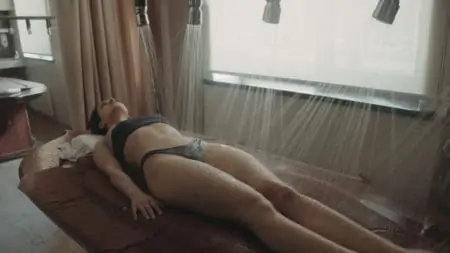
You are more likely to come across a table shower in a massage or beauty therapy spa because they enhance massage techniques to bring you total relaxation and pleasure.
Let’s explore what a table shower is and what it does to put you fully in the picture.
Key Takeaways
- Table showers are found in spas and use 5 to 7 showerheads to massage the body, providing relaxation and stress relief.
- Originating in Roman times, table showers offer various benefits such as improved immunity, beauty enhancements, and pain relief.
- During a table shower massage, you can choose your level of modesty and water temperature, and a therapist will use soap and a loofah to cleanse your skin.
- Table showers can be combined with other treatments like Swedish massage and mud wraps for an even more relaxing experience.
What Is a Table Shower?
A table shower consists of 5 to 7 showerheads mounted on a horizontal bar above an elevated, flat table. The user lays on the table, and the water jets soothe and massage their body.
They are commonly used in hydrotherapy and specialist spas. Table showers deliver approximately 13 gallons of water every minute. That’s 100 gallons in 10 minutes. Imagine the soothing effects that would have on your tired and aching joints.
History of the Table Shower
The origins of the table shower can be traced as far back as Julius Ceasar. Legend has it that after the arduous conquest of Gaul in France, he discovered the healing properties of the local springs.
Once the therapeutic properties of the thermal springs were discovered, the Romans started building spas to take full advantage.
They are referred to as “Vichy showers.” after the small town in France, famed for its hydrotherapy treatments. By the 16th century, royalty and visiting dignitaries spent weeks and months soaking up the benefits of Vichy’s natural spring remedies.
The water in the 5 springs surround Vichy reaches temperatures of 40.5 degrees Celsius. By the late 19th century, spa treatments were all the rage, with spa resorts springing up across the world. In the U.S. even the great W.K. Kellog was in the health spa business. It was how he invented the now world-famous cornflake.
Table Shower Benefits
With all that wonderful cascading water, what are the actual benefits of using a table shower? Let’s find out.
Stress Relief
Much like jacuzzi’s and whirlpool baths, the effects of water can work wonders for your stress levels. Water soothes and relaxes us, which means the tight knots in muscles loosen. As we become calmer, our minds start to release the stresses of the day.
Because there are multiple showerheads, you can target specific parts of the body with water jets. It also helps that you can adjust the water temperature during the massage to increase the comfort levels.
Relaxation
Some believe that just being near water has a relaxing effect. The Japanese swear by water gardens and waterfalls as part of their garden design. It helps to bring balance.
It’s also the reason why so many of us have water features in our yards. The sound of running water instantly relaxes you and puts you at ease.
A table shower uses individual jets of water to target specific parts of your body. The soothing action of droplets on your skin hydrates and relaxes the muscles and joints. It also has a rhythmic effect on your mind, easing any stresses along the way.
The water is set at body temperature, so it will be just right to leave you feeling comfortable, and the hydrating qualities of water leave your skin feeling refreshed.
Immunity Boost
When your mind and body are aligned, your immune system works more effectively. Table showers are proven to improve lymphatic circulation, which boosts your immune system. Water also increases blood flow, which helps the body discard toxins to fight infections.
Increased blood circulation also has other benefits:
- Reduces high blood pressure.
- Improves internal organ function.
- Improves your metabolic rate.
- Heps with lazy bowel syndrome.
Beauty
Hydrated skin is healthy skin. A table shower can help improve the way your body looks. One of the oldest methods of maintaining healthy skin is to drink fresh water, but your skin absorbs moisture through a table shower, giving you the same health benefits.
Imagine reducing wrinkles and feeling saggy skin start to tighten. A table shower brings beauty benefits galore.
- Tones and firms your skin.
- Hydrates.
- Rejuvenates the face and body.
- Helps with weight loss.
- Promotes better sleep.
- Soothes tired and tight muscles.
Helps With Pain Relief
Improved blood flow and lymphatic performance have a pain-soothing quality on your body. It works to relieve many common ailments. It’s incredible how your mind can cope with different levels of pain, but the way you treat your body helps in the fight against discomfort.
- Helps with headaches.
- Reduces migraines.
- Improves body fatigue.
- Improves depression.
- Relieves menstrual cramps.
- Reduces acne.
- Helps with arthritis.
What Happens During a Table Shower Massage?
You might want a table shower massage for any of the reasons above, or maybe you just want to take advantage of some downtime and recharge your batteries.
1. What To Wear
Most people opt to preserve their modesty and cover their sensitive areas with towels. If the state law allows, you can shower naked, but many people choose not to. You do need to take a thorough shower before lying on the table.
2. Water Temperature
The water should be set at body temperature to make the experience as comfortable as possible. However, you can request your preferred setting. Some people like the water hot or even cold, and you can even change the temperature at different times during the massage.
3. The Massage Room
Most spas and beauty treatment centers give you a private space for the table shower. The table sits in the center of the room to allow the therapist room to maneuver. You will find a clean white towel on the table to preserve your modesty.
4. The Procedure
In the main, you will start by laying on your front and getting a backwash. The therapist will adjust the water temperature to your desired level. Soap helps to lubricate your skin and makes the procedure more comfortable.
As your body gets wet, the therapist uses a loofah to rub the surface of your skin, working across the entire length of the back of your body.
You will then turn over and lay on your back. The therapist repeats the same procedure but ensures your hair and face remain dry. After the session, you will be offered a towel to dry your skin.
In some Asian centers, the table shower is arranged in chakras, which are the 7 energy centers in your spine. The belief is that water stimulates and clears your energy field and aura. Ancient cultures believe that your body expels toxins during the chakra massage.
5. Swedish Massage
Swedish massage uses kneading and rubbing techniques in soft, long strokes to relieve stress in the muscles and joints. Tapping and rhythm strokes are also features of Swedish Massage.
When performed under a table shower, the effects of this massage method enhance mind and body relaxation.
6. Other Treatments
Modern spas offer a host of treatments in conjunction with your table shower. You can get a mud wrap, a chocolate wrap, and even a salt scrub spa treatment. Some table showers are more exotic, with Japanese and Thai-style versions along with Korean Akasuri massages.
And Relax
With such a long and varied history, it’s hard to dispute the therapeutic qualities of table showers. In a world full of pills and drug treatments for everything, maybe trying some alternative solutions might yield surprising results.
As the saying goes: clean body, clean mind. So, what are you waiting for? Give it a go.