Water heater manufacturers usually recommend their units be flushed out and cleaned once a year. This will remove any build-up of minerals such as calcium, which can restrict the flow of water if left unchecked.
Flushing your water heater is a straightforward task but choosing a flushing kit can be more of a challenge. To help you decide, we have created this list of the best tankless water heater flush kits available today.
We have reviewed these flushing kits based on the quality of their components, price, and versatility.
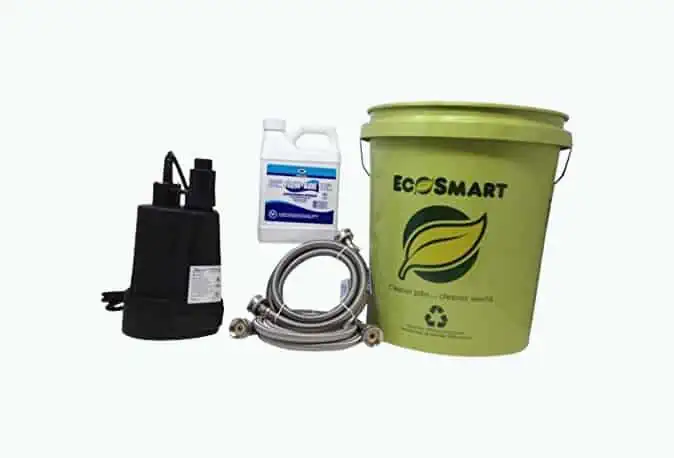
- First-grade plastic bucket
- Powerful Zoeller floor sucker pump
- Includes a quart of descaler solution
- 350 GPH pump
- Includes eco-friendly descaler
- Can be used on multiple appliances
- Easy-to-connect rubber hose
- Works effectively with white vinegar
- Large 5 gallon bucket
Review Methodology: At Sensible Digs, we provide a thorough analysis and hands-on evaluation of the best tankless water heater flush kits, ensuring you can trust our findings and make informed decisions. Our experienced professionals use a variety of criteria to compare and rank these kits, including their performance, design, and ease of use. We assess the key decision-making factors, such as durability, efficiency, and compatibility with different water heaters. Our data-driven research, in-depth reviews, and first-hand experience enable us to identify what sets each product apart from its competitors and recommend the best options for your specific needs. With Sensible Digs, you can trust that our expertise and objective assessment will guide you in choosing the ideal tankless water heater flush kit for your home.
The Best Tankless Water Heater Flush Kits of 2024
Here are 3 excellent tankless flush kits to consider.
My PlumbingStuff Tankless Water Heater Flushing Kit
Best Pump
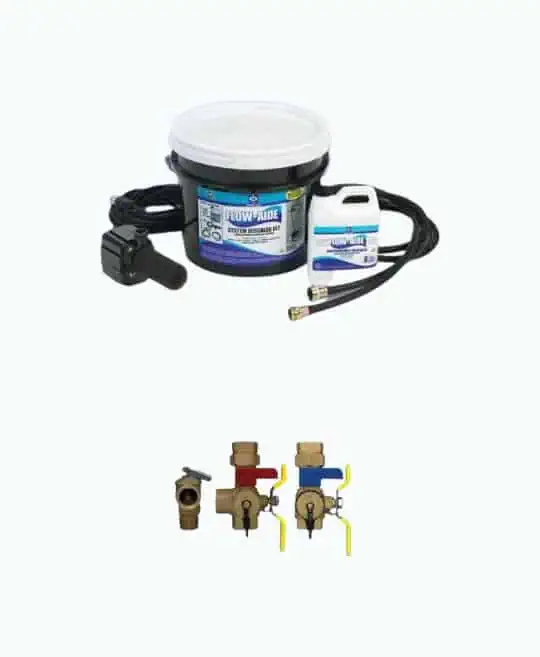
If you’re new to flushing your tankless water heater, this kit can make the job easier. It includes everything you need to quickly set the kit up and start flushing any heater from major manufacturers such as Rinnai.
The kit comes with a 5-gallon first-grade plastic bucket. It also features two 5-foot hoses which can be easily connected to the valves. The hoses have specialized “ports” which allow you to connect them to pipes without disconnecting the unit.
The pump is a Zoeller floor sucker pump, which is very strong and durable. It can be used fully or even partially submerged. You will also receive instructions and technical details.
The kit includes a quart of Flow-Aide System Descaler. The descaler is a strong, environmentally-friendly solution that quickly breaks down any build-up in the unit.
What We Like
Large Bucket
The bucket is the perfect size for the amount of cleaning solution you need. It is also a good size for all types of tankless water heaters. It’s recommended that you use 4 gallons of solution in the bucket.
Strong Pump
The pump is small but powerful and can be used even if it isn’t fully submerged. Many users praised the pump, saying it is top quality.
Hoses Can Be Easily Attached
The hoses are strong and durable with a steel outer casing. Customers were very pleased with how easily they were attached.
Kit Includes a Descaling Solution
You receive a quart (32 ounces) of Flow-Aide System Descaler. The fluid in this descaling kit is a non-hazardous, biodegradable solution that dissolves scale, rust, mud, and lime.
What We Don't Like
Instructions Could Be More Detailed
Some customers criticized the instructions, saying they were missing some steps. Others said they weren’t detailed enough. Many of these customers instead used online instructional videos or other guides.
Product Specs
| Weight | 14.5 pounds |
| Hose length | 5 feet |
| Size | Full size |
| Bucket capacity | 5 gallons |
Our Ratings
User Experience
J.C Whitlam Flow-Aide Descaler Kit
Best Kit for Multiple Uses
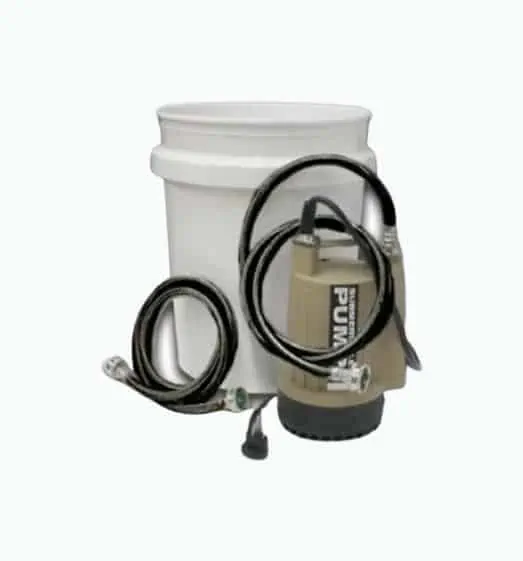
If you want a flushing kit for more than your tankless water heater, this is it. The kit includes two rubber hoses, a pump, a 3.5-gallon bucket, and a Flow-Aide System Descaler.
The bucket isn’t as large as we would like, but it still does its job. The descaler is very strong but environmentally friendly; you won’t need to use much of it.
The kit includes a 350 GPH (gallons per hour) pump, so you can imagine how quickly it will get the job done. It is a rather small pump, but it fits perfectly into the small bucket.
You can also use the kit with other appliances, such as heat exchangers, vacuum pumps, and ice machines. It quickly dissolves and removes lime, scale, rust, and other types of build-up, keeping appliances running smoothly and helping you save energy.
What We Like
The Kit Includes a Descaler
The kit includes 32 ounces of the Flow-Aide System Descaler. It quickly removes any build-up within your unit and is non-toxic and eco-friendly.
Strong Pump
The 350 GPH pump is small but mighty. It will quickly move your cleaning solution from the bucket and through the unit. Customers were very pleased with the pump quality.
Can Be Used on Several Appliances
If you have multiple appliances that require flushing or cleaning, this is an even better investment. You won’t need to purchase separate kits, pumps, or hoses to perform the same task on a different appliance.
What We Don't Like
Hoses Aren’t as Durable as Expected
The hoses are made of rubber and aren’t as durable as we would like. Some customers complained of them leaking. Others users said they only leaked if they weren’t attached properly.
Product Specs
| Weight | 8.6 pounds |
| Hose length | 5 feet |
| Size | 15 x 10 x 15 inches |
| Bucket capacity | 3.5 gallons |
Our Ratings
Personal Perspective
Rheem Tankless Water Heater Flush Kit
Easiest Setup
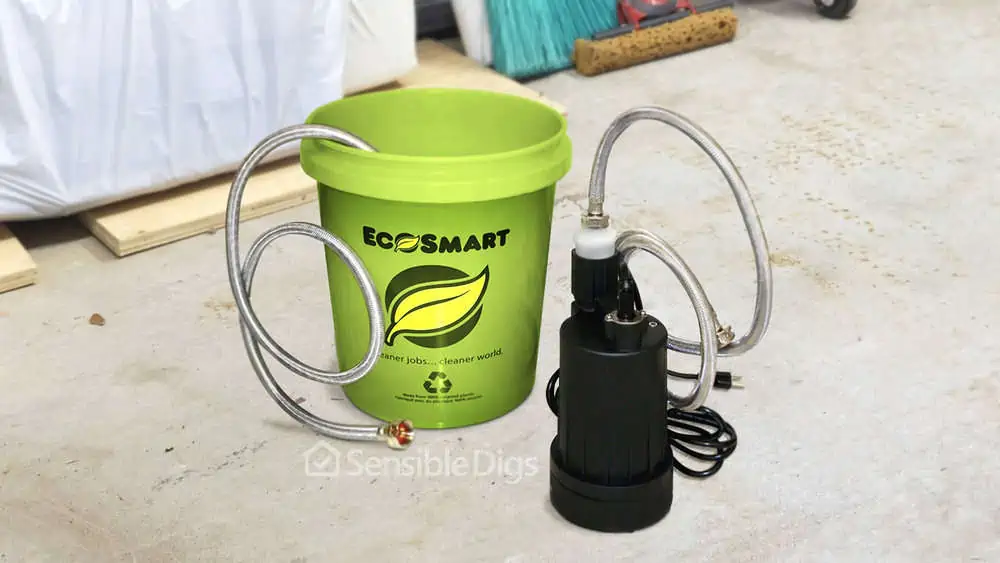
If you’re looking for a kit that is easy to set up, this might be ideal. The kit includes easy-to-follow instructions to help you get started.
You also receive a pump, two hoses, and a bucket. The bucket will hold 5 gallons, perfect for any cleaning solution you use. Some customers revealed that they only used about 2 gallons of white vinegar, and some even reused it later.
The hoses are made of rubber but they connect easily to the isolation valves of the tankless heater. Some customers weren’t very happy with the rubber hoses, which they felt resembled washing machine hoses.
The pump will circulate 7 gallons per minute through the heater to eliminate the scale and lime. This kit is compatible with all types of tankless water heaters. It could even help to prolong the life of your heater.
What We Like
Easy Instructions
Customers praised the kit for its detailed and easy-to-read instructions. While most kits include a guide, they sometimes skip a step. That won’t be a problem with this one.
Connects Easily
You can start the flushing quickly as the hoses connect easily to the valves. Customers said they were surprised at how quickly they got started.
Large Bucket
The bucket holds 5 gallons, which is great for cleaning as it is a good amount of solution. Customers have said they used about 4 gallons of white vinegar and ran the pump for about an hour.
No Need For Specialized Solutions
This kit was designed for white vinegar only and it does a great job. This means you can save money by not purchasing a specialized cleaning solution. White vinegar is an inexpensive staple in many homes thanks to its versatility.
What We Don't Like
Rubber Hoses Could Be a Problem
Some reviewers complained about the quality of the hoses. They didn’t leak but customers felt they were overpriced.
Product Specs
| Weight | 13.35 pounds |
| Hose length | N/A |
| Size | 15.4 x 12.7 x 12.4 inches |
| Bucket capacity | 5 gallons |
Our Ratings
Community Feedback
| Product | Award | Weight | Hose length | Size | Bucket capacity |
|---|---|---|---|---|---|
| My Plumbingstuff Flush Kit | Best Pump | 14.5 lbs | 5′ | Full size | 5 gal |
| J.C Whitlam Flush Kit | Best For Multiple Uses | 8.6 lbs | 5′ | 15″ x 10″ x 15″ | 3.5 gal |
| Rheem Tankless Flush Kit | Easiest Setup | 13.35 lbs | N/A | 15.4″ x 12.7″ x 12.4″ | 5 gal |
Do You Need a Flush a Tankless Water Heater?
Your local water quality directly affects how often you need to flush your heater. It could be anywhere from every six months to annually (1).
Compared to traditional heaters, a tankless water heater is more vulnerable to mineral build-up (calcium and magnesium). In regular tank water heaters, the build-up is usually at the bottom of the tank, which shouldn’t prevent the heater from working properly.
However, in a tankless unit, the build-up forces the unit to work harder. In time, this can damage the heater’s components.
Hiring a professional whenever you need to descale your unit can become very expensive. Flushing kits aren’t cheap either but they will eventually pay for themselves. If you’re a DIY kind of person, a flushing kit will undoubtedly come in handy.
How to Choose a Tankless Water Heater Flush Kit
A good flushing kit typically has two main qualities.

Includes the Necessary Parts
To perform effectively, a hot water heater flush kit needs to include the necessary parts. The best kits will include a fairly large tank or bucket, which could be anywhere between 3 and 5 gallons.
This bucket will hold the water heater cleaning solution. You can buy specialized cleaning solutions or you can use white vinegar.
A submersible pump is another important feature. The pump is submerged in the bucket and helps circulate the cleaning solution throughout the heater. Obtaining these as part of a kit is important because you can be sure the pump will fit the bucket.
The final essential part of a maintenance kit is two long hoses. These should ideally be 5 feet long so you can easily connect the kit to the heater unit.
These parts are designed to help you easily clean the internal parts of the heater. Alternatively, you can use a garden hose, a bucket, and a separate pump. However, this could make the job more complicated as you will need to make sure everything fits properly.

Works on All Types of Units
Another major benefit of the best flush kits is that they are universal kits and can be used on all heater models. Buying a kit and discovering that it won’t work on your unit can be frustrating and a waste of money!
Like conventional tank water heaters, a tankless heater can be powered by gas or electricity. A good kit will be able to work on both of these.
FAQs

What Happens if You Don’t Flush Your Tankless Water Heater?
Depending on the quality of your water supply, failing to flush your tankless water heater can cause a gradual buildup of mineral deposits in the heater’s pipes. In time, this inhibits the movement of water through the unit and reduces its efficiency. It can even cause damage to the heater as it is forced to work harder to compensate.

What Size Pump do You Need to Flush Your Tankless Water Heater?
Each of the kits in our list includes a pump that will be suitable for flushing your tankless water heater. The size of the pump is less important than how powerful it is. Generally, pumps designed for this purpose possess about 1/6 horsepower; anything more powerful is unnecessary.

How Much Does it Cost to Flush a Tankless Water Heater?
You should expect to pay about $150 for a water heater flush kit, which will include everything you need to flush the unit. Once you own the kit, future flushes will only require some additional fluid; you can reuse the pump for as long as it continues to work.

Can I Flush My Tankless Water Heater Myself?
Yes, it is possible to flush a tankless water heater by yourself, and manufacturers recommend you do so yearly. It is not recommended to flush the water heater before turning off the electricity and the gas since doing so may cause the appliance to become damaged.
Before attempting a heater flush, you should always open the unit and use a non-contact electrical tester. This confirms that the power has been turned off. If your device is powered by more than one energy source, this step is necessary.

How Often Should Tankless Water Heater be Flushed?
Tankless water heaters should ideally be flushed at least once per year. Since a flush is required for the build-up of minerals inside the unit, people who live in areas with hard water might be required to flush their tankless water heater even more often.

Can I Use CLR to Clean My Tankless Water Heater?
Yes, you can use CLR to clean your tankless water heater. Calcium, lime, and rust are the three components that make up CLR. All three of these chemicals tend to accumulate over time on surfaces that are in constant touch with water.
CLR cleaner is an excellent option for cleaning your water heater since it eliminates the need for scrubbing by breaking down the minerals that accumulate at the bottom of the heater. CLR can be purchased in a variety of sizes, including spray bottles as tiny as one ounce and containers as large as one gallon.

Do Electric Tankless Water Heaters Need to be Flushed?
Yes, electric tankless water heaters need to be flushed. Regular flushing is required of both electric and gas tankless water heaters. But it is crucial to keep in mind that the processes for doing so are completely distinct from one another.
For electric heaters, you will most likely simply need a screwdriver and a wrench, both of which are likely already in your possession.