When you pour a glass of water from your refrigerator, the last thing you want is for it to taste unpleasant or stale. If you have noticed this recently, it might be time to replace your fridge’s water filter.
The best refrigerator water filter will ensure you always have a supply of cold, fresh-tasting water. There are numerous different filters available, however, so it is important to choose one that is appropriate for your water supply and fridge.
To help you, we have put together a guide to the different types of fridge filters and why you should consider each one. We have also provided our top refrigerator water filter reviews, which we chose based on their versatility, effectiveness, and the variety of materials they can filter.
- Coconut & carbon-based filter
- Processes up to 200 gallons
- Works with old refrigerators
- Fully NSF certified
- Has compatibility verification
- Charitable brand
- Filters 24 contaminants
- Filters 200 gallons of water
- Removes 99% of lead
- Removes 95% of contaminants
- NSF/ANSI certified
- Flow rate of 0.5 gal/min
- Ion-exchange resin and carbon filter
- Canister-style filter
- Purifies 240 gallons
- Meets NSF safety standards
- In-fridge filtration
- Preserves beneficial minerals
- Heavy-duty filtration
- Filter lasts about 5 years
- Made in the United States
Review Methodology: At Sensible Digs, we understand the importance of a top-quality refrigerator water filter. Our hands-on evaluation process is rigorous and comprehensive, embracing every aspect from performance, design choices, to the overall user experience. Each product’s effectiveness is measured and ranked based on key decision-making factors such as filtration efficiency, installation ease, lifespan, and cost-effectiveness. Our professional team’s experience and research findings provide you with factual, objective assessments, enabling you to compare and choose the best product that suits your needs. Trust our data-driven reviews to guide you in making an informed decision.
The Best Refrigerator Water Filter Reviews of 2024
Now that you have a clearer idea of what you need from your filter, it’s time for our refrigerator water filter reviews. We read numerous customer reviews and professional opinions to select these best refrigerator water filters, chosen for their effectiveness, lifespan, type, and cost.
AquaCrest Refrigerator Water Filter
Best In-Grille Option
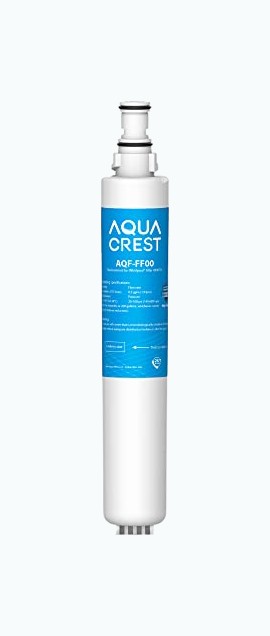
This model provides excellent filtration using a coconut and carbon-based filter. It should provide you with six months of clean water and can process up to 200 gallons before it needs to be replaced. It is suitable for use with older refrigerators and freezer models that have the filter located in the grille.
This is a universal filter option and wasn’t developed for a specific refrigerator. Double-check that it is suitable for your refrigerator and don’t force it into place if it doesn’t fit.
This product has an excellent return policy, so don’t worry if it arrives and doesn’t look like it will work with your fridge.
What We Like
Works with Various Refrigerators
Finding in-grille filtration options can be difficult, so it’s good to see that this option works with a variety of refrigerators that accept in-grille filters. Check your fridge’s brand and model number, but this is filter is suitable for many older refrigerators and freezers.
Excellent Return Policy
With a 30-day warranty, you will have plenty of time to determine whether or not the filter is working as it should. If it is defective or not filtering as well as expected, you will be able to return it with little hassle.
Natural Filtration Process
The coconut fibers and charcoal will filter out contaminants and impurities, leaving you with healthy drinking water. They also absorb foul odors and improve the taste of water to ensure you will enjoy drinking it.
Great Price Point
This isn’t a branded product and it is an excellent option for someone on a tight budget. It could save you a significant amount of money over multiple filter replacements.
What We Don't Like
Universal Product
This versatile product works with multiple brands and models of refrigerators. However, that universal style might also mean it won’t work as well for your specific model. Double-check that your refrigerator is explicitly listed to work with this filter and ensure it is properly connected with no leaks.
Not for Use with Untreated Water
The natural filtration process provides excellent drinking water if the water supply has already been treated. This filter isn’t intended for heavy-duty filtration and will be unable to tackle microorganisms or other contaminants in your water.
Product Specs
| Dimensions | 1.4 inches by 1.4 inches by 9.4 inches |
| Weight | 5 ounces |
| Approved Refrigerator Brands | KitchenAid, Kenmore, Whirlpool |
| Part Number | AQF-4396701 |
| Filter Type | In-Grille |
Our Ratings
User Experience
Waterdrop Plus Water Filter
Best Multi-Pack Filter
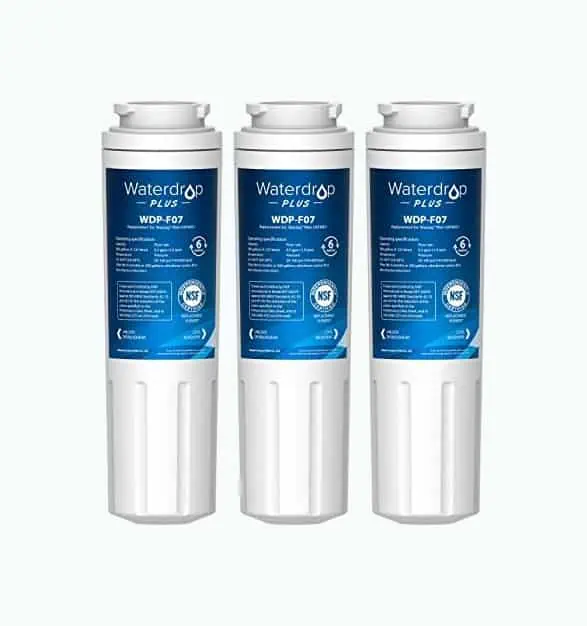
If you are looking for an affordable multi-pack, you should consider this Waterdrop product. Installation is easy and only involves applying light pressure while twisting it into place. No additional tools are required to install the filter and it provides a tight, leak-free seal.
This model is suitable for a variety of refrigerators from different companies. It removes harmful chemicals while delivering fresh-tasting water. The multi-pack contains three filters.
What We Like
Provides Exceptional Filtering
This product has been rigorously tested and boasts NSF 401, NSF 53, NSF 42, and NSF 372 certifications. This all amounts to an excellent filtering experience.
Although this is not a complete list, you can expect this filter to remove 99.2% of the BPA found in your water. It will also tackle 99.6% of lead, 92.2% of mercury, and 97% of chlorine. The filter housing and components are lead-free to further minimize your exposure to harmful contaminants.
Compatibility Tool
To make it easier to find a matching filter, Waterdrop provides an easy-to-use database. You can simply enter your refrigerator model number to see if your fridge is compatible with the filter. This eliminates the guesswork from your search and ensures you acquire a filter that will work with your appliance.
Socially Responsible
Waterdrop is committed to providing safe water to children who otherwise wouldn’t have access to it. For every purchase made, Waterdrop will provide a one-day supply of safe drinking water to a child in need.
What We Don't Like
Double-Check Your Fit
As a universal model, these filters are designed to work with a wide range of refrigerators. As a result, they will probably be a slightly different shape and size than brand-specific models.
Check the filter closely during installation and monitor it afterward to make sure it isn’t leaking.
Product Specs
| Dimensions | 8.1 inches by 7.1 inches by 2.4 inches |
| Weight | 1.92 pounds |
| Approved Refrigerator Brands | Amana, Maytag, KitchenAid, Kenmore |
| Part Number | WDP-UKF8001 |
| Filter Type | In-fridge |
Our Ratings
Personal Perspective
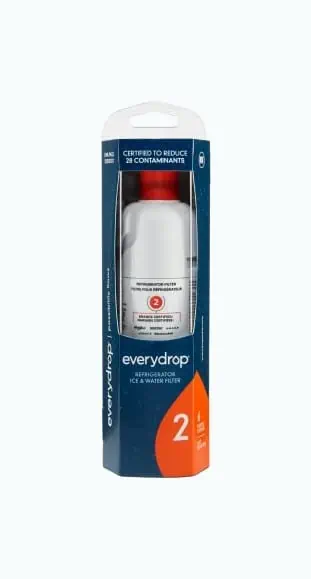
EveryDrop by Whirlpool Water Filter
Best Versatile Brand-Name Filter
This is an excellent option if you are struggling to find a brand-specific filter. It is the only water filter that’s approved for use with Maytag, Whirlpool, Amana, KitchenAid, and Jenn-Air appliances.
This model works with refrigerators that have a bottom freezer, with the filter compartment located in the upper right corner of the fridge.
It is not only versatile but also highly effective, capable of removing up to 99% of lead from your water.
For optimal performance, plan to replace this filter every six months. This will ensure that you always receive contaminant-free water.
What We Like
Works Against 24 Different Contaminants
With multiple NSF certifications, this filter can remove 24 different contaminants. It has been proven to reduce lead by 99% and can also remove pharmaceuticals, pesticides, and chlorine. It even tackles dangerous waterborne parasites.
Exceptional Capacity
This model is capable of filtering 200 gallons of water before it needs to be replaced. That is the equivalent of 1,500 disposable water bottles. Using this filter will help you save money that would otherwise be spent on bottled water, while also being environmentally responsible.
Designed for Specific Refrigerator Models
This filter is designed to work with specific branded refrigerator models. This ensures it will fit securely and helps provide a continuous, leak-free experience.
When used with a compatible refrigerator, you will achieve a tighter fit than you would with a universal water filter.
What We Don't Like
Flush Prior to Use
Before installing this filter in your refrigerator, you need to flush it with 4 gallons of water. If you skip this step, the filter will not function properly, and your water will continue to be cloudy after installation.
Not a Heavy-Duty Filter
This filter does a great job of removing contamination. However, it isn’t designed for heavy filtering of untreated water. If your home uses well water, you should choose another filter system that addresses the initial cleaning.
Product Specs
| Dimensions | 2.5 inches by 2.5 inches by 8.7 inches |
| Weight | 9 ounces |
| Approved Refrigerator Brands | Whirlpool, Maytag, KitchenAid, Jenn-Air, Amana |
| Part Number | EDR2RXD1 |
| Filter Type | In-fridge |
Our Ratings
Community Feedback
Frigidaire PureSource Replacement Filter
Best Side-By-Side Filter
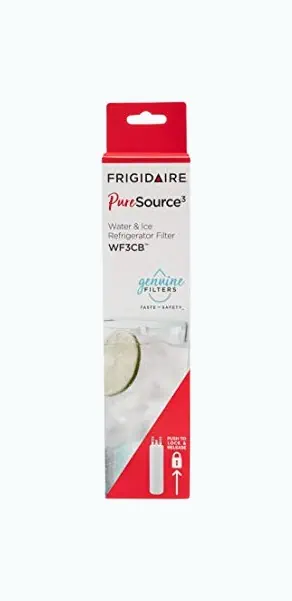
Side-by-side refrigerators can have limited space for food. An in-fridge filter reduces this even further, but this filter is specifically designed to occupy the minimum amount of space. To ensure you keep receiving clean water, you will need to replace the filter every six months.
Both your refrigerator water and ice cube water are filtered by this unit. It is similar to another popular Frigidaire filter model but shorter. Double-check that you have the appropriate product for your refrigerator before placing an order.
What We Like
Reduces 95% of Contaminants
Chlorine, lead, mercury, and alachlor are all removed by this filter. It provides clean, healthy water that tastes great and doesn’t have an odor.
With NSF/ANSI certification, this filter meets the specifications of standards 42 and 53.
Indicator Light
It is a good idea to write the date of your next filter change on a calendar, but this filter also features an indicator light that reminds you when it is time for a replacement. The light will also inform you if the filter needs to be replaced sooner than expected.
Easy to Replace
A push/pull style filter, this model requires very little pressure or strength to install. The majority of people will be able to replace it easily in a matter of seconds. This ease of installation also helps to ensure the filter is secure and sealed.
Excellent Water Flow Rate
Small filters are often very slow, only capable of providing a gradual trickle of filtered water. However, this model is different.
With this filter, you can expect a flow rate of 0.5 gallons per minute. This will fill your glass quickly and keep your ice cubes topped up.
What We Don't Like
Not Covered by Your Refrigerator’s Warranty
Although this is a brand-name item, it won’t be covered by the refrigerator’s warranty. If you encounter an issue with the product, you won’t be able to receive a refund. Similarly, if your refrigerator suffers any damage during a leak or failure, you won’t be compensated.
Product Specs
| Dimensions | 2 inches by 2 inches by 9 inches |
| Weight | 8 ounces |
| Approved Refrigerator Brands | Frigidaire |
| Part Number | WF3CB |
| Filter Type | In-fridge |
Our Ratings
First-Hand Impression
Amazon Basics Replacement Filter
Best Canister Water Filter
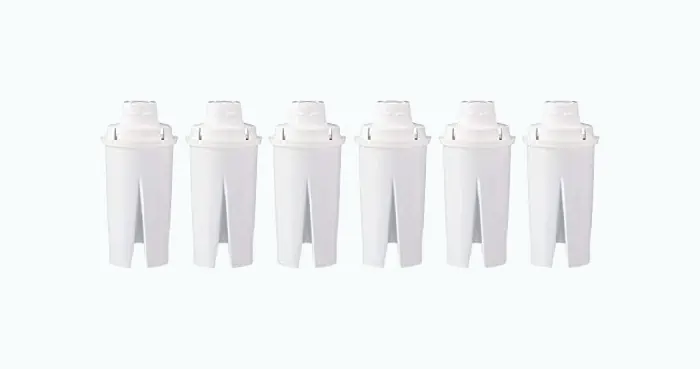
Most refrigerators use a long, slim water filter. If you are looking for a canister-style filter, this product fits the bill. It is not only certified but is also a generic brand — meaning it will cost less.
This leak-proof unit uses ion exchange resin and carbon to filter out contaminants. Its robust size allows for a longer period of use than most other filters. It can purify 240 gallons of water.
To ensure you continually receive properly filtered water, you should replace the filter every six months.
What We Like
Simple Installation
This model twists in and twists out, providing easy removal and fast installation. The specially designed top also ensures a tight seal that won’t leak. It is clearly labeled to ensure correct orientation and avoid over-tightening when replacing your filter.
Available in Multi-Packs
These filters can be purchased in multi-packs to help you save money while keeping your water fresh. The price is already competitive but the multi-packs are even cheaper — the larger the multi-pack, the more money you will save.
Provides Fresh, Delicious Water
With several safety certifications, this product has been tested and found to reduce chlorine levels. This provides you with clean, delicious-tasting water.
As well as removing chlorine, this model also reduces lead, benzene, and copper. The entire filter is lead-free, so you don’t need to worry about your water being contaminated by your filter. It also removes VOCs and microbes.
Available in Different Strengths
Different filtration strengths allow you to choose the appropriate filter for your specific water source. This filter is available in standard, advanced, and premium strengths, as defined by the industry standard.
What We Don't Like
Be Patient
You may find that this filter slows your water flow rate significantly. If you want faster filtration, you might need to consider an alternate option.
Product Specs
| Dimensions | 2.36 inches by 2.36 inches by 4.72 inches |
| Weight | 22.56 ounces |
| Approved Refrigerator Brands | Not specified |
| Part Number | Not specified |
| Filter Type | In-fridge |
Our Ratings
User Experience
EcoAqua Replacement Water Filter
Easiest to Install
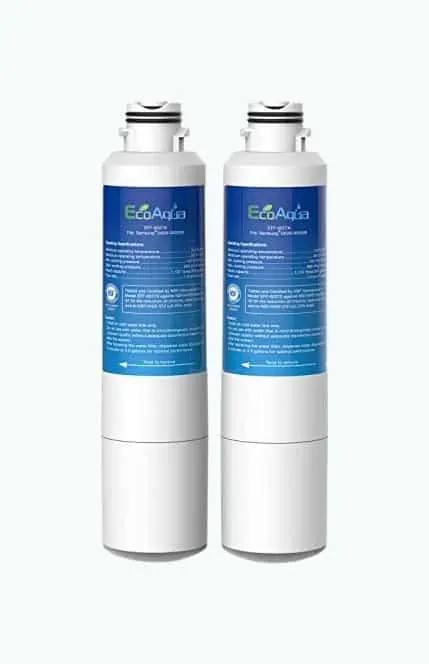
This easy-to-install model is compatible with Samsung refrigerators (and others that feature a water filter built into the drawer area). When it’s time to replace your filter, this one simply screws into place. It is a great option for in-fridge filtration that leaves you with plenty of food storage space.
Using carbon and coconut shell, this filter’s natural materials cleanse water thoroughly. It meets NSF safety standards and is lead-free to prevent any water contamination.
What We Like
Preserves Healthy Minerals
Other filtration methods can strip your water of beneficial minerals alongside negative ones. This filter has been intentionally designed to leave the good stuff behind, so you receive well-rounded water. Not only does this provide a great-tasting drink, but it also makes your water more nutritious.
Excellent Capacity
This filter is capable of processing 300 gallons of water before needing to be replaced. Many other models can only handle 200 gallons of water, so this filter will save you time and money. Although this model can filter more water, we still recommend replacing it every six months to ensure optimal filtration.
Exceptional Seal
An included O-ring provides an excellent leak-free seal. The O-ring also means you are less likely to over-tighten during installation — preventing any damage to your refrigerator.
High-Quality Product
EcoAqua has confidence in its products. They guarantee that the filters will perform as expected. The units have been thoroughly tested and all components are made of top-grade materials.
What We Don't Like
Not a Brand-Name Filter
Although this filter has been specifically designed for Samsung refrigerators, it is not an authorized Samsung product. This means you might not achieve the custom fit you want with this model. Double-check that this filter will be suitable for your specific refrigerator.
Can’t See the Installation Point
This model installs in such a way that you won’t be able to see the connection point clearly. As it is recessed in the cavity, you might miss a leak due to an installation error.
Before leaving your newly installed filter, run the water for several seconds, and double-check that there is no pooling or dripping.
Product Specs
| Dimensions | 2 inches by 2 inches by 8.9 inches |
| Weight | 1 pound |
| Approved Refrigerator Brands | Samsung |
| Part Number | EFF-6027A |
| Filter Type | In-fridge |
Our Ratings
Personal Perspective
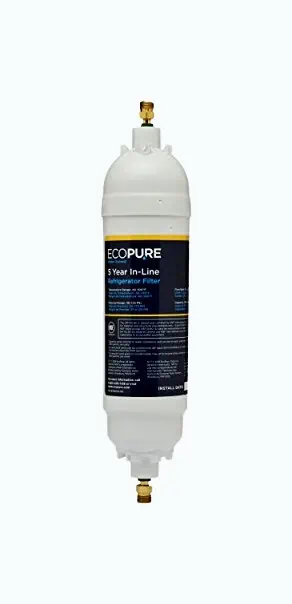
EcoPure In-Line Water Filter
Best In-Line Model
Not all refrigerators are equipped to house a water filter. If you have an older model, it might be incompatible with most of the filters we have reviewed. In that case, this in-line water filter is an excellent alternative.
Easy to install, this model offers multiple installation options to suit your plumbing set up.
This robust, heavy-duty model can filter more sediment than its smaller, in-fridge counterparts. It can also be used with both plastic plumbing and traditional copper pipes.
What We Like
Excellent Longevity
Many filters need changing twice a year, or even more frequently if your water is untreated or you use more than average. While this filter does require extra effort to install, you won’t have to replace it very often. It is designed to provide five years of filtered water without the need for regular filter changes.
Suitable for any Refrigerator
Your refrigerator model could severely narrow your filter options — but this type can be used with any fridge. Whether your refrigerator is brand new or a vintage piece, this filter will ensure you receive healthier water.
Can Be Combined with Other Filters
This filter is ideal if your in-fridge filter is unable to effectively improve your water supply. It will lighten the burden on your other filter by taking care of heavy-duty filtration.
Created in the United States
This filter was designed, engineered, and assembled in the United States, so all components have passed strict testing. There is no need to worry about harmful contaminants or chemicals being used during the manufacturing process.
What We Don't Like
Inconvenient to Replace
You will probably need to move the entire refrigerator to access this filter and replace it. If you have an inset fridge built into your kitchen, this can be particularly challenging. This filter will only need to be changed very infrequently, making it less of an issue than some other in-line units.
You’re Altering Your Plumbing
Other fridge water filter types only affect the refrigerator itself. In contrast, installing this filter requires working directly with your home’s plumbing.
With other types, a leak or a problem will usually be confined to the fridge. As this model is connected to your plumbing system, a leak could require a professional plumber, resulting in additional costs.
Product Specs
| Dimensions | 13.5 inches by 7 inches by 3 inches |
| Weight | 1 pound |
| Approved Refrigerator Brands | N/A |
| Part Number | EPINL30 |
| Filter Type | In-Line |
Our Ratings
Community Feedback
| Product | Best | Dimensions | Weight | Approved Refrigerator Brands | Part Number | Filter Type |
|---|---|---|---|---|---|---|
| AquaCrest | In-Grille Option | 1.4″ x 1.4″ x 9.4″ | 5 oz | KitchenAid, Kenmore, Whirlpool | AQF-4396701 | In-Grille |
| Waterdrop Plus | Multi-Pack | 8.1″ x 7.1″ x 2.4″ | 1.92 lbs | Amana, Maytag, KitchenAid, Kenmore | WDP-UKF8001 | In-fridge |
| EveryDrop by Whirlpool | Versatile Brand-Name | 2.5″ x 2.5″ x 8.7″ | 9 oz | Whirlpool, Maytag, KitchenAid, Jenn-Air, Amana | EDR2RXD1 | In-fridge |
| Frigidaire PureSource | Side-By-Side | 2″ x 2″ x 9″ | 8 oz | Frigidaire | WF3CB | In-fridge |
| Amazon Basics | Canister | 2.36″ x 2.36″ x 4.72″ | 22.56 oz | N/A | N/A | In-fridge |
| EcoAqua | Easiest to Install | 2″ x 2″ x 8.9″ | 1 pound | Samsung | EFF-6027A | In-fridge |
| EcoPure In-Line | In-Line Model | 13.5″ x 7″ x 3″ | 1 pound | N/A | EPINL30 | In-Line |
Types of Refrigerator Water Filters
Each of these filter types will make the water from your refrigerator spout taste better, but they are installed differently and are suitable for varying water supplies. It’s worth familiarizing yourself with the different types before you start shopping.
In-Line Water Filters
These are mostly used on older refrigerators that don’t have built-in filters. They are located outside your refrigerator on its water supply.
Most in-line water filters are installed directly behind the refrigerator where the water hose connects to the appliance. This can make replacing your filter more complicated as you will need to get behind the refrigerator.
This also makes leaks and other issues into significant problems — you might not spot them until they have done serious damage. If you aren’t comfortable tackling this installation yourself, it is worth hiring a professional to complete the work.
If you want to add a filter but your refrigerator doesn’t accept one, an in-line filter is a great way to provide it with clean water.
Pros
- Affordable
- Works with any refrigerator brand or model
- Needs to be replaced infrequently
Cons
- Can be difficult to replace or fix
- Could interfere with refrigerator placement
In-Fridge Water Filters
Some refrigerators have a water filter inside their main compartment. This provides you with straightforward access to the filter and allows for easy replacement. However, these models also occupy space in your fridge that would otherwise be available for food.
You will see many different styles of in-fridge water filters. Most are compact and use a carbon filtration system to keep your water looking clean and tasting pure.
Pros
- Compact
- Easy to replace
- Widely available
Cons
- Might be brand-specific
- Occupies food storage space
In-Grille Water Filter
In-grille water filters are located at the bottom of the refrigerator, usually in the front grille. This position provides water filtration without compromising the fridge’s storage space.
These filters tend to be larger than their in-fridge counterparts. They are usually also capable of heavier-duty filtration and have greater processing capacity.
Pros
- Easy to replace
- Won’t occupy space in your refrigerator
- Capable of superior filtration
Cons
- Can be hard to find
Be Aware
How to Choose a Refrigerator Water Filter
Every refrigerator filter is different but there are a few things to keep in mind that will help you determine which model is the right water filter for your fridge, home, and water supply.

How Much Filtration You Need
Some in-fridge filters provide only light filtering. This might be all you need if you receive your water from a municipal supply, which will already be treated and filtered.
On the other hand, if you take your water from a well, which isn’t processed before it reaches your home, you will probably need a more thorough filtration method. This will ensure your filter removes impurities such as lead, microorganisms, viruses, and bacteria.
If your water requires serious filtration, an in-fridge, charcoal-based filter will likely be insufficient. You should consider installing a whole house water filter to prevent unnecessary exposure to contaminants such as giardia and E. coli.

How Old Is Your Refrigerator?
Your refrigerator’s age will have a significant influence on which type of filter you need. As technology has advanced, designers have created ever-smaller filters that work as well as their larger counterparts. Depending on when your unit was made, it might require a specific filter style.
If your refrigerator is relatively old, its water filter type might no longer be in production. If so, an in-line filter might be your only option. If you anticipate needing a new fridge in the near future, consider getting one with a built-in filter system to avoid having to add a separate filter to your plumbing.
Limited Options

Maintenance Levels
Some filters need to be replaced regularly. On average, a filter change will be required every three to six months. However, some models can be replaced far more infrequently, once a year or even every few years.
Consider how much time and effort you are willing to commit to maintaining your filter. This will help you find a filter that is suitable for your lifestyle.

Budgetary Constraints
Whether you have a limited budget or you can invest more money in your filter, there will be a product suitable for you. It is sensible to clearly define your budget before you start shopping to narrow down your search.
It’s good to have a flexible budget but don’t feel that you need to spend a lot of money for a high-quality filter. As long as a filter tackles problematic contaminants, it should be a good addition to your home.
The Bigger Picture
FAQs

Are Refrigerator Water Filters Necessary?
To eliminate minute particles or contaminants from the water (such as lead and chlorine, as well as impurities that generate unpleasant tastes or aromas), you will need a filter if the fridge has a water dispenser and/or an ice maker.
To the instructions provided in the owner’s manual, the filters need to be changed at regular intervals, typically twice a year. You should also replace the filter on the water supply pipe to your refrigerator if it has one.

What Refrigerator Water Filters Are Made in the USA?
Some refrigerator water filters made in the USA include Sub-zero, Kitchenair, Fisher & Paykel, Ecoaqua, and Aquafresh.

Can I Use Any Water Filter for My Refrigerator?
The water filter must first and foremost be able to fit inside the refrigerator to be used, so you can’t insert just any water filter.
There’s no such thing as a universal refrigerator filter. Because refrigerators have a wide variety of connection types, the vast majority of filters are only compatible with one or two specific manufacturers of refrigerators.
The most straightforward way to discover which filters are compatible is to remove the existing filter and verify the refrigerator’s model number.
You should be able to find the information you need by quickly searching the refrigerator’s user manual (or the manufacturer’s website). One more choice is to go to the company’s website that makes water filters.
On that website, you should be able to find a list of refrigerator brands and model numbers, as well as the filters that are compatible with those refrigerators.

Do Refrigerator Water Filters Remove Bacteria?
Most water filters for refrigerators can’t remove dangerous chemicals like these because the EPA is intended to purify water before it reaches the home and then the refrigerator.
Because fungus and moisture are essential for the survival of waterborne bacteria, the water filter in your refrigerator provides the ideal environment for their growth.

What Refrigerator Water Filter Removes the Most Contaminants?
The refrigerator water filter that removes the most contaminants need to have an NSF 401 rating. These filters can remove harmful chemicals from the water (including pesticides, detergents, or even over-the-counter drugs).
Additionally, the filter can have an NSF 372 rating (filtering lead in water) and the NSF 61 rating (filters toxic chemicals).
NSF International is a non-profit organization that conducts consumer goods testing and certification. They verify that these goods comply with specific requirements about their level of performance, safety, and quality.
Testing various items used in the water business, including water filters for refrigerators, is one of their primary areas of expertise. The organization certifies the capabilities of refrigerator water filters by putting them through a battery of tests divided into various categories.

Which Refrigerator Water Filter Brand Is the Best?
Whirlpool water filters are the best ones for your refrigerator. Consider their EveryDrop filter.
It is compatible with various water purification systems and can eliminate many impurities. It’s the most versatile choice for cleansing the water from the dispenser in the refrigerator. It was evaluated per the NSF 42, 53, and 401 standards and has passed all of these tests.