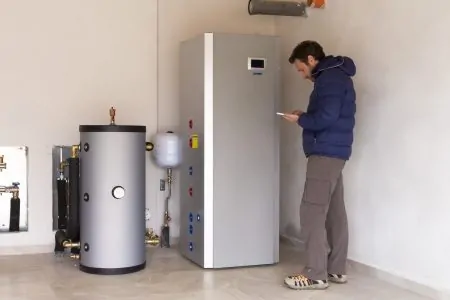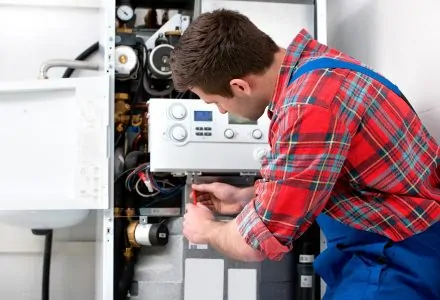
Why does your hot tap never seem to reach the right temperature? It’s either too hot or too cold. Knowing how to adjust the water heater temperature means you are always guaranteed the correct setting every time you run the faucet.
We show you how to turn up a hot water heater, share the ideal temperature setting, and help you troubleshoot common problems.
Key Takeaways
- Ideal water heater temperature is between 100 and 120 degrees Fahrenheit to save energy and prevent scalding.
- Turning up the water heater too high can scald skin, increase pressure, and raise energy bills.
- Adjusting the temperature on gas, electric, and tankless water heaters involves locating the control knob and making gradual changes.
- Check the water temperature with a cooking thermometer after adjusting the heater for accuracy and safety.
Ideal Water Heater Temperature Setting
Most modern water heaters have a pre-installed temperature setting of 120 to 140 degrees Fahrenheit. But, if you can get the range set between 100 and 120 degrees Fahrenheit, it should still provide you with perfectly warm water.
Turning down the temperature by 20 degrees saves between three and five percent on your energy usage. Given rising costs, that could make a significant dent in your energy bills.
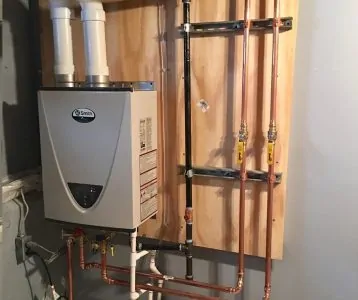
If you have a tankless water heater, like this Rheem RTEX-18, you will get a constant hot water supply and don’t need to worry about heating a tank. However, you will still need to make the correct adjustments to the temperature control knob.
You are more likely to have a tankless system in an apartment with limited space.
Safety Notice
Water set at 140 to 160 degrees Fahrenheit will scald your skin, so don’t be tempted to adjust the temperature to make it hotter.
Is It Bad to Turn Your Water Heater All the Way Up?
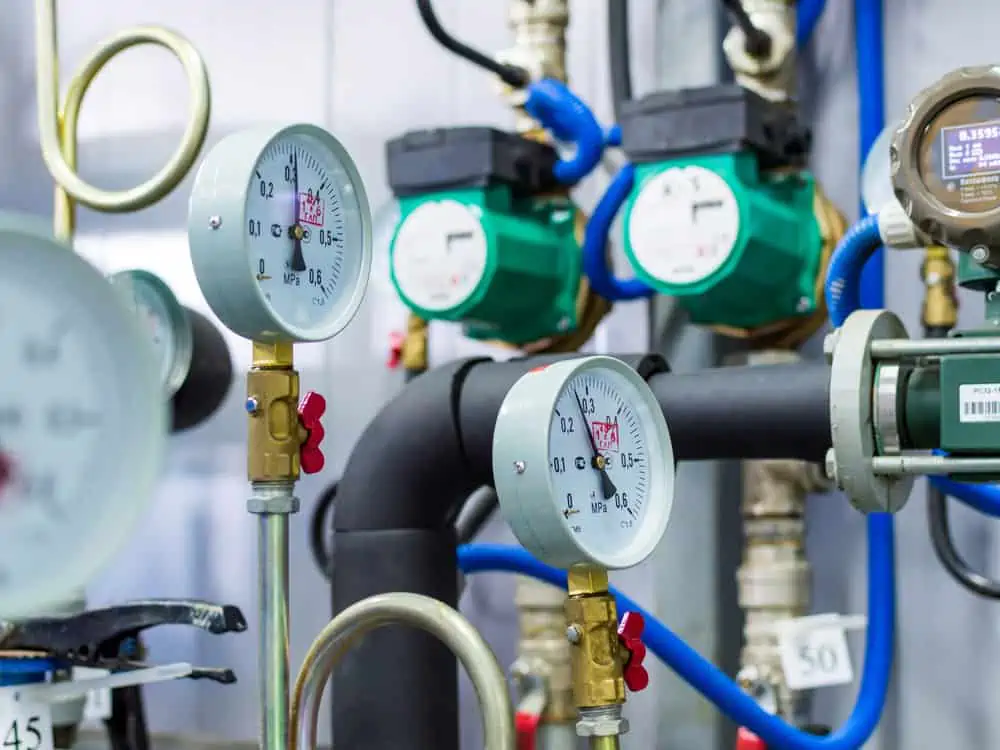
Turning up the water heater is bad on many levels: it scalds your skin, increases pressure on the system, increases energy usage, and raises your heating bill.
Most water heaters have a maximum temperature setting of 140 degrees Fahrenheit, which can scald skin in a few seconds of contact. A hot cup of coffee is 160 degrees Fahrenheit (just 20 degrees hotter), and you’d never consider pouring it on your hands.
Here’s a handy guide:
| Temperature (Fahrenheit) | Scalding Time |
| 160 | 0 seconds |
| 150 | 2 seconds |
| 140 | 6 seconds |
| 130 | 30 seconds |
| 120 | 5 minutes |
How to Turn Up a Hot Water Heater
We cover three types of water heater: gas, electric, and tankless. While the procedures may be similar, there are differences in how they operate.
Safety Tip
Gas is highly flammable, and while the risks are low, they still exist. Remove naked flames and extinguish lit cigarettes.
Gas Water Heaters
- Locate the gas control knob at the base of the tank. It sits close to the drain valve and is typically black or red with a warm and hot setting.
- Turn the dial from warm to hot. Do this gradually because very hot water could scald your skin. You can always adjust it further down the line.
- Wait for between an hour and three hours while the tank warms up. If the temperature is still too low, turn it up slightly and check again later.
Electric Water Heaters
- Isolate the water heater at the circuit breaker. Consult your breaker labels to find the correct one, and ensure all the breakers are turned off.
- If none of the breakers are labeled, turn off the entire circuit board.
- Remove the access panel on the heater. You shouldn’t need a screwdriver for this because most just pull off.
- Remove the insulation section to reveal the controls.
- Many thermostats adjust by turning a screw. Turn the thermostat using a flat head screwdriver up a few notches towards the 120-degree marker. Never exceed this because 120 Fahrenheit is about 49 Celsius.
- Replace the insulation and panel, and switch the heater back on.
- Wait for about an hour to test the water.
- If the temperature is still too low, repeat the process until you get it right.
Electric Tankless Water Heaters
- Shut off the power from the circuit board.
- Run the nearest hot tap for one to two minutes to release pressure and purge air pockets from the system.
- Shut off the faucet and turn the water heater back on at the mains breaker cupboard.
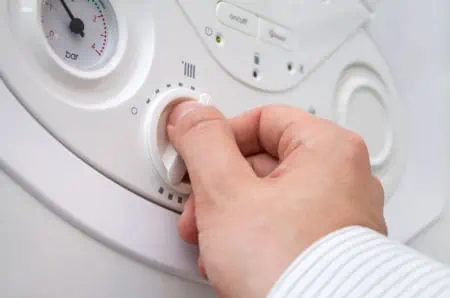
- Adjust the temperature dial to the required setting.
- Run the nearest faucet for about a minute while the hot water kicks in and check the temperature is comfortable.
Gas Tankless Water Heaters
- Switch off your water heater circuit breaker. These units use electricity to power the control panel and ignite the pilot light.
- Locate the gas shut-off valve and turn it to the “off” position.
- Pause for five minutes while the gas clears the chamber. If the gas smell vanishes, proceed with opening the valve.
- Switch the unit back on at the breaker.
- Adjust the temperature control on the digital panel by pressing up or down.
- Run the faucet for a few seconds while the boiler fires up.
- Check the water temperature and if you are happy, shut off the tap.
How to Check the Water Temperature
Once you’ve adjusted the water heater, you will need to know if you’ve reached the correct temperature. The simple way is to hold your hand under the tap and see if it feels comfortable, but there is a more accurate method.
- Place a bucket under the bathtub hot faucet.
- Open the tap for a full minute and then measure the amount of hot water in the bucket.
- Close the hot water faucet.
- Place a cooking thermometer in the water. The first attempt may yield inaccurate results because it will contain existing cooler water in the pipes.
- Empty the bucket and open the faucet for another minute. When you have two to three gallons of hot water, drop in the thermometer for 20 seconds.
- This will give you an accurate reading of the temperature.
FAQs

How Long Does it Take for a Hot Water Tank to Heat Up?
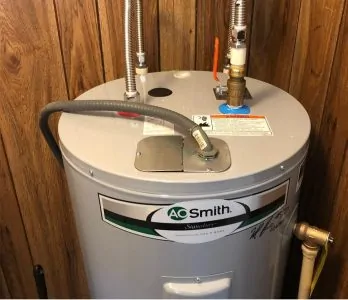
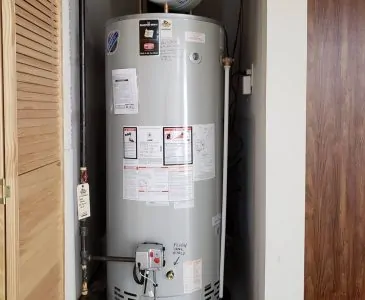
For a water heater with a tank, like this Bradford White, you can expect it to heat the water in 40 minutes to an hour, depending on the temperature setting.
It also depends on the tank’s capacity because the larger the water reservoir, the longer it takes to heat. Tankless systems have almost instant hot water because there is no tank to heat up.

What are the A-B-C Settings On a Hot Water Heater?
For water heaters with A-B-C settings, A means 120 degrees Fahrenheit, B stands for 130 degrees, and C is the top temperature of 140 degrees Fahrenheit.

How Can You Reduce Power Usage of a Water Heater?
The Heat Is On
Knowing how to turn up the heat on a water heater is helpful because it reduces your energy usage and bills, and preserves the system’s life.
So, the next time you run the faucet and curse the water temperature, don’t delay and get on and do something about it.