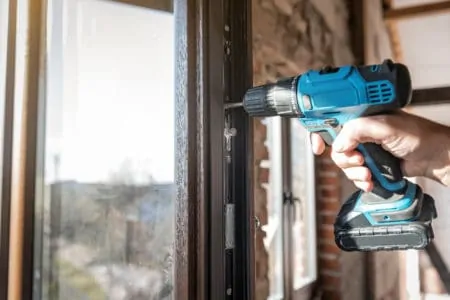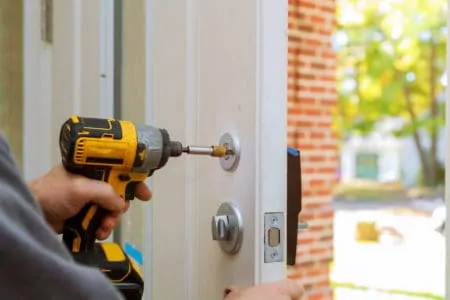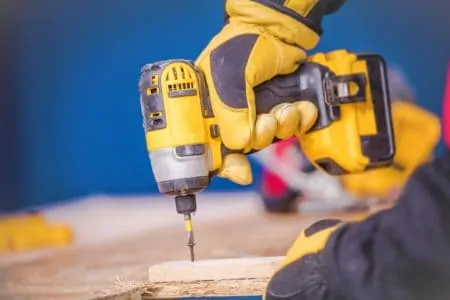
If you frequently work with screws or nuts and bolts, the right power tool will make your job much faster and more efficient. While you could use a power drill as an electric screwdriver, an impact driver will provide greater speed and driving power.
These high-torque tools are ideal for driving screws and nuts, as well as removing them with ease. However, not all impact drivers are created equal and you might need some advice to find one that is suitable for your needs.
To help you make the right choice, we have reviewed seven of the best impact drivers that are currently available. We chose these drivers for their speed, power, durability, and versatility.
- 4-stage speed switch
- Weighs just 2.9 pounds
- Triple hammer action
- Lightweight at 2.8 pounds
- Leading brand
- Complete kit
- Brushless motor
- All aluminum gear-housing
- Dual LED
- Super fast charge
- Quick release hex chuck
- LED work lights
- Quiet
- Star protection technology
- 3 speed settings
- 2,000 in-lbs of torque
- Just 4.59 inches long
- Redlink plus intelligence
- Adjustable clutch
- Compact design
- 30-minute charge time
Review Methodology: At Sensible Digs, we know how important it is for you to have accurate, reliable data when choosing the best impact drivers. Our in-depth analysis and hands-on experience provide you with a thorough assessment of each product. We objectively compare and rank impact drivers based on key decision-making factors such as performance, design choices, and user experience. Our professional team utilizes strict criteria and quantitative measurements to evaluate each product’s performance, offering you the facts you need to make an informed decision. We go beyond the standard review, providing you with first-hand evidence of what sets each product apart from its competitors. Trust in our experience and research to deliver the results you need.
The Best Impact Drivers of 2024
Impact drivers are very popular tools, which means you will have a vast selection of models to choose from. To help you find the right one, we have reviewed seven of the best impact drivers you can buy, chosen for their speed, torque, size, versatility, and durability.
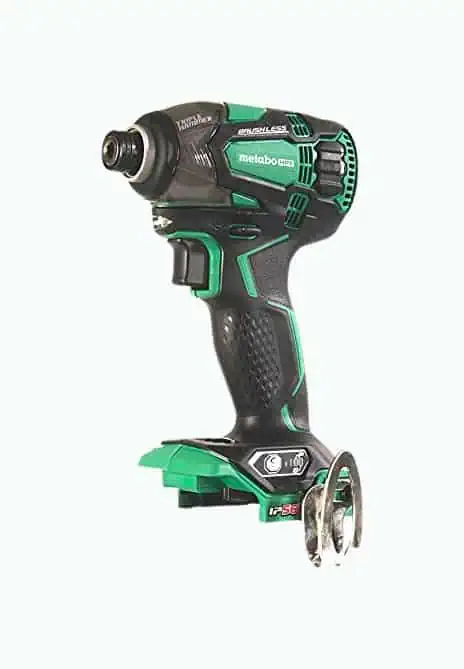
Metabo HPT 18V Impact Driver
Best High-Torque Impact Driver
Metabo is the new name of Hitachi power tools. The name might have changed but the company still produces excellent products, with this impact driver providing 1,832 in.lbs of turning torque and 4,000 blows per minute.
When combined with the tool’s 2,900 RPM, you will have a heavy-duty impact driver that can compete with any tool on the market. It has four different speed settings, so it is suitable for driving into various materials.
This is a very user-friendly tool, weighing just 2.0 lbs. It also has a battery charge indicator and a light for improved visibility, and its speed is easily adjusted via an electronic switch.
What We Like
4-Stage Speed Switch
This versatile impact driver provides excellent control and precision thanks to its four modes: soft, power, normal, and self-drilling.
Lightweight
At just 2.9 lbs, you will be able to use this driver for prolonged periods without placing a significant strain on your hands and wrists.
Triple Hammer Action
By adding a third anvil, Metabo has increased the BPM and torque while decreasing how much the tool vibrates during use.
Lifetime Tool Warranty
Metabo guarantees this tool with a generous lifetime warranty for ultimate peace of mind.
What We Don't Like
Price
This impact driver is expensive, especially considering it doesn’t include any batteries, which will increase your costs.
Batteries Required
You will need to buy a battery and charger for this tool, which will probably cost almost as much as the impact driver itself.
Product Specs
| Weight | 2.9 lbs |
| Dimensions (inches) | 9.8 x 7.3 x 3.9 |
| Number of batteries | None supplied |
| Amp-hours | 3 Ah |
| Torque | 1,832 in.lbs |
| Price | $$$ |
| Warranty | Lifetime |
Our Ratings
User Experience
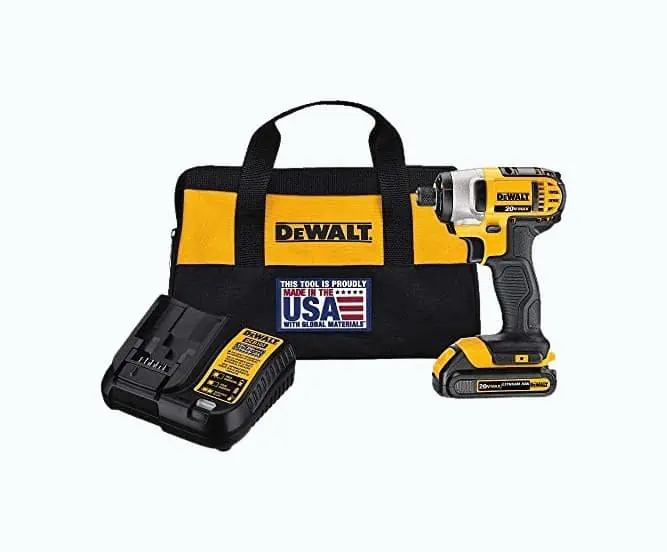
DeWALT 20V Impact Driver Kit
Best Cordless Impact Driver
This DeWALT impact driver has a 0.25-inch hex that accepts 1-inch bit tips, and it weighs just 2.8 lbs. It generates 3,200 impacts per minute, 2,800 RPM, and 1,400 units of torque. It is one of the most popular impact drivers on the market.
This is a complete impact driver kit, so it includes a 1.5 Ah battery and charger. It also includes a carry case that makes it easy to transport or store.
DeWALT claims the battery will charge quickly but doesn’t specify how fast. For an impact driver kit, this set offers excellent value for money.
What We Like
Value for Money
This kit contains everything you need to start using the impact driver straight from the box.
Lightweight
At 2.8 lbs, this impact driver is very lightweight. It also has an ergonomic design that makes it more comfortable to hold.
Leading Brand
DeWALT is an American brand that has been synonymous with high quality and value for money for more than a century.
What We Don't Like
One Battery
One battery is good but two are better. Some other brands include two batteries in their kits, which means you can always have one charging while you use the other.
Weak Battery
DeWALT supplies this impact driver with the weakest battery in its range. At 1.5 Ah, it will drain quite quickly.
Product Specs
| Weight | 2.8 lbs |
| Dimensions (inches) | 5.5 x 9 x 3 |
| Number of batteries | 1 |
| Amp-hours | 1.5 Ah |
| Torque | 1,400 in.lbf |
| Price | $$ |
| Warranty | 3-year |
Our Ratings
Personal Perspective
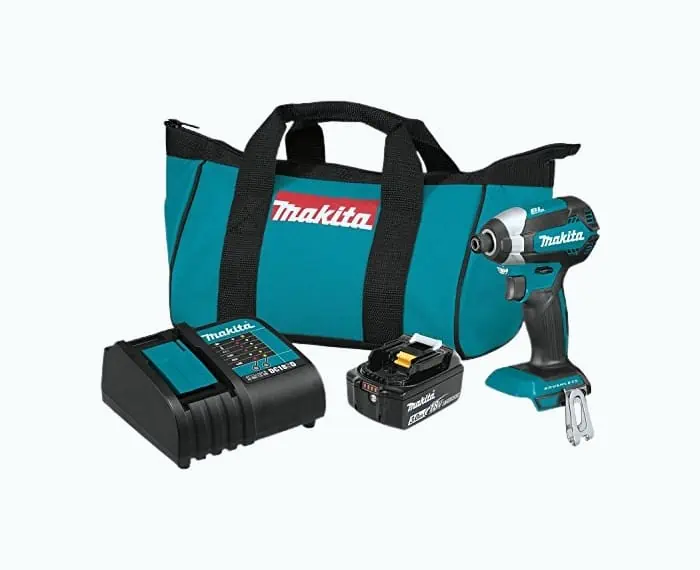
Makita XDT131 18V Brushless Impact Driver
Best Brushless Impact Driver
Brushless motors are more efficient and extend your battery’s runtime. This Makita impact driver generates 3,400 RPM, 3,600 BPM, and 1,500 inch-pounds of maximum torque.
As this is a brushless impact driver, it will run for longer and stay cooler. It also requires less maintenance as there are no brushes that will wear out and require replacing.
Its battery will charge three times faster than average and its power management system will prevent overloads, overheating, and over-discharge.
What We Like
Brushless Motor
The brushless motor extends the battery’s life by 50%. This is a very efficient system and will far outperform a brushed motor.
All Aluminum Gear-Housing
The aluminum gear housing ensures that the gears be able to go the distance, whatever the job. This will protect your impact driver, which will extend its lifespan.
Dual LED
The dual LEDs will improve your visibility, especially when you need to work in dark, confined spaces.
Fast Charge
It takes just half an hour to charge this battery from empty to full. This means you can completely recharge it during your lunch break.
What We Don't Like
No Variable Speed Trigger
This impact driver is not cheap, so it is surprising that it lacks a standard feature such as a variable speed trigger.
Delivery Issues
Multiple customer reviews have reported this drill being delivered in a damaged box. This issue is widespread enough that it calls the quality of the packaging into question.
Product Specs
| Weight | 3.3 lbs |
| Dimensions (inches) | 10.16 x 15.08 x 6.06 |
| Number of batteries | 1 |
| Amp-hours | 3 Ah |
| Torque | 1,500 in.lbf |
| Price | $$ |
| Warranty | 3-year |
Our Ratings
Community Feedback
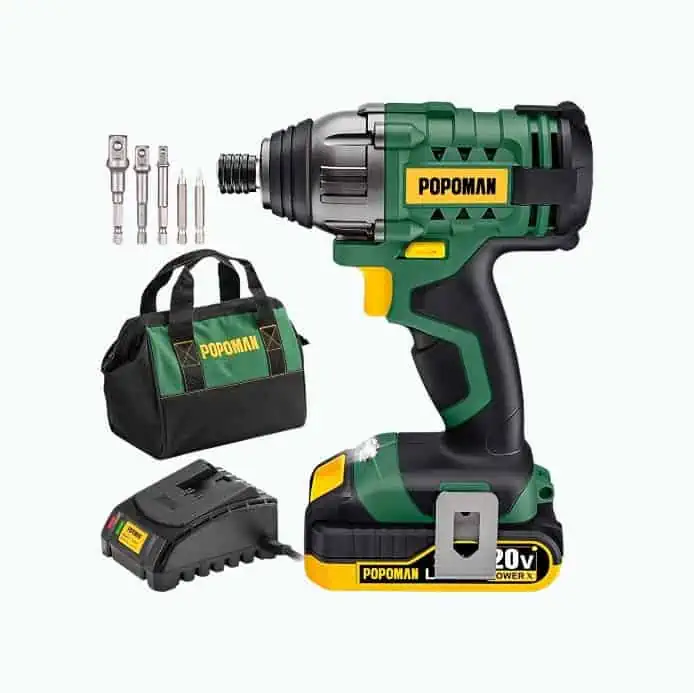
TECCPO Impact Driver Kit
Best Budget Impact Driver
This TECCPO impact driver is budget-friendly but still operates at up to 2900 RPM with variable speed settings. You can use it anywhere between 0 and 2900 RPM, controlling the speed with how hard you press the trigger. This makes it easy to adjust the speed to suit whichever task you are working on.
This high-performance, affordable tool features a 4-pole copper motor suitable for driving screws into wood, plastic, and metal.
The battery can be completely charged in one hour with the fast charger, which will shorten your downtime.
What We Like
Super Fast Charge
The 20-volt lithium-ion battery can be recharged in a maximum of one hour but sometimes in as little as 30 minutes. This will help you get back to work as quickly as possible. While the battery life isn’t specified, customers praise how long they can work before they need to stop to recharge.
Quick Release Hex Chuck
Replacing the bit is fast and simple thanks to the all-metal quick-release hex chuck. This ¼-inch hex chuck and fully metallic gearbox result in a very durable impact driver that won’t require any additional tools to use.
LED Work Lights
This impact driver has trigger-activated LED lights at the foot of the tool. This provides greater visibility, helping you work more accurately in dark, tight spaces.
What We Don't Like
Lacks Power
Some customers complain that this impact driver lacks power, while others have no issues with it. You might need to keep in mind that this is a budget-friendly driver and set your expectations accordingly.
Product Specs
| Weight | 6.04 lbs |
| Dimensions (inches) | 10.8 x 7.1 x 10 |
| Number of batteries | 1 |
| Amp-hours | Not specified |
| Torque | 1600 in.lbf |
| Price | $ |
| Warranty | 2-year |
Our Ratings
First-Hand Impression
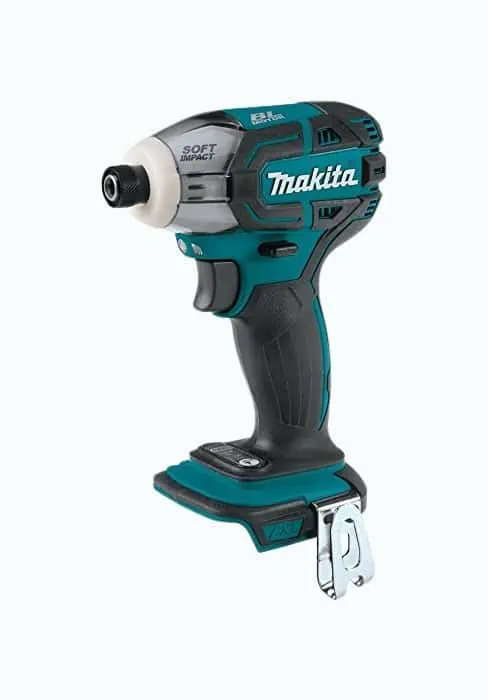
Makita XST01Z 18V LXT Oil Pulse Impact Driver
Best Oil Pulse Impact Driver
Anyone who has used an impact driver before knows they are very noisy tools. An oil pulse impact driver is a special high-end driver that uses oil to hydraulically drive the impact mechanism while making it about 30% quieter than standard models.
This Makita oil pulse impact driver delivers a maximum of 3,200 RPM and 2,700 BPM thanks to its powerful brushless motor. With 3 power modes, it is a versatile model that can be used to drill into the majority of materials.
Makita has incorporated extra technology into this driver with its Star Protection system. This constantly monitors how your drill performs and automatically adjusts its power usage to keep it optimized.
What We Like
30% Less Noise
You might be able to ditch the ear defenders when using this Makita impact driver. Its oil pulse technology harnesses the viscosity of oil to drive its impact mechanism, resulting in about 30% less noise.
Star Protection Technology
Makita has developed a computerized protection system that monitors the driver and its battery to keep the tool performing at an optimal level.
3-Speed Settings
There are three different speed settings that will grant you complete control of the impact driver, whatever material you are working on.
What We Don't Like
Steep Price
This tool’s cutting-edge technology comes at a price. It is one of the most expensive impact drivers we have reviewed.
No Battery or Charger
Despite being an expensive impact driver, this model doesn’t include a battery or charger. You will need to buy them separately, which will increase your costs significantly.
Product Specs
| Weight | 2 lbs |
| Dimensions (inches) | 3.31 x 8.07 x 5.79 |
| Number of batteries | None supplied |
| Amp-hours | 1.5 to 5 |
| Torque | 355 in.lbf |
| Price | $$$ |
| Warranty | 3-year |
Our Ratings
User Experience
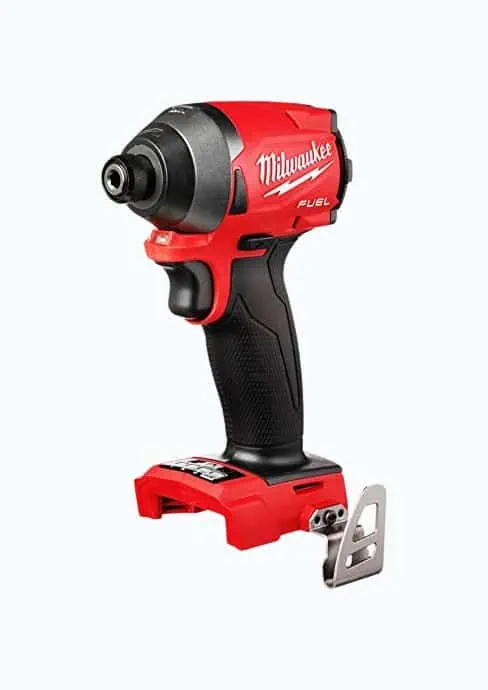
Milwaukee 2853-20 M18 Impact Driver
Best Impact Driver for Lug Nuts
This Milwaukee impact driver generates 2,000 inch-pounds of torque, making it the ideal tool for removing stubborn lug nuts.
It has a brushless motor that will use its lithium battery more efficiently, making a single charge last longer. It also operates more smoothly, working as much as 30% faster than a brushed motor.
It has 4-mode drive control that will help you adapt it to various materials and tasks. This is a versatile tool, especially by impact driver standards.
What We Like
2,000 in-lbs of Torque
This driver produces 2,000 inch-pounds of torque, about 500 more than some impact drivers from other leading brands. This is enough power to remove stubborn lug nuts and perform various other tasks.
Compact Design
At just 4.59 inches long, this impact driver is compact enough to use in even the tightest spaces.
RedLink Plus Intelligence
The RedLink Plus system ensures that this tool performs optimally while protecting it against overloading when encountering resistance. It prevents the impact driver from burning out or sustaining battery damage.
What We Don't Like
No Charger
You will need to factor in the cost of a charger when buying this impact driver. When you do, it becomes apparent that this is quite an expensive impact driver overall.
Product Specs
| Weight | 2.5 lbs |
| Dimensions (inches) | 9.2 x 4.7 x 6.7 |
| Number of batteries | 1 |
| Amp-hours | 5 Ah |
| Torque | 2,000 in.lbf |
| Price | $$$ |
| Warranty | Not specified |
Our Ratings
Personal Perspective
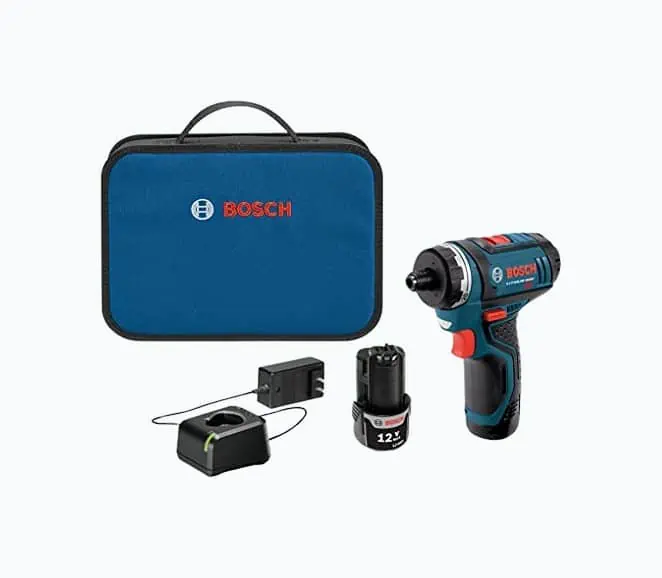
Bosch PS21-2A 12V Pocket Driver Kit
Best Compact Impact Driver
Impact drivers are usually compact, but this Bosch 12V impact driver is called a “pocket driver” for a reason. It is one of the shortest drivers we have seen at 5.6 inches, which makes it ideal for working in tight spaces.
Despite its small size, this driver doesn’t lack power. It still provides 265 inch-pounds of torque, so it is suitable for driving screws into wood and 22-gauge metal. It also has a variable speed trigger that allows you to control the driver’s speed, depending on how hard you press it.
Versatility is also one of the driver’s strong points. A 20+1 adjustable clutch offers a wide range of different torque settings to adapt to various materials.
What We Like
Compact and Lightweight
Thanks to its length of just 5.6 inches, this driver can reach places that other models will be too large for. It is also lightweight, weighing just 1.8 lbs.
Adjustable Clutch
The 20+1 adjustable clutch enables you to set the torque level to suit different materials. The RPM ranges from 350 to 1,300.
Great Value for Money
This Bosch impact driver kit offers excellent value for money. It includes 2 batteries, a charger, and additional screwdriver bits.
30-Minute Charge Time
The charger in this kit can fully charge a flat battery in just 30 minutes. This means minimal downtime and fewer interruptions to your work.
What We Don't Like
Low Power
The compact size of this driver is beneficial, but it is also less powerful than larger models.
Build Quality Issues
This impact driver is very affordable but that is reflected in its build quality. Some customer reviews report that it didn’t survive the first year of use.
Product Specs
| Weight | 1.8 lbs |
| Dimensions (inches) | 6.5 x 5.6 x 2.5 |
| Number of batteries | 2 |
| Amp-hours | 2 Ah |
| Torque | 1,300 in.lbf |
| Price | $$ |
| Warranty | 3-year |
Our Ratings
Community Feedback
| Product | Best | Weight | Dimensions (inches) | No. of batteries | Amp-hours | Torque | Warranty |
|---|---|---|---|---|---|---|---|
| Metabo HPT 18V Impact Driver | High-Torque | 2.9 lbs | 9.8 x 7.3 x 3.9 | None | 3 Ah | 1,832 in.lbf | 2-year |
| DeWALT 20V Impact Driver Kit | Cordless | 2.8 lbs | 5.5 x 9 x 3 | 1 | 1.5 Ah | 1,400 in.lbf | 3-year |
| Makita XDT131 18V Brushless | Brushless | 3.3 lbs | 10.16 x 15.08 x 6.06 | 1 | 3 Ah | 1,500 in.lbf | 3-year |
| TECCPO Impact Driver | Budget Pick | 6.04 lbs | 10.8 x 7.1 x 10 | 1 | N/A | 1600 in.lbf | 2-year |
| Makita XST01Z 18V LXT Impact Driver | Oil Pulse | 2 lbs | 3.31 x 8.07 x 5.79 | None | 1.5 to 5 Ah | 355 in.lbf | 3-year |
| Milwaukee 2853-20 M18 Impact Driver | Lug Nuts | 2.5 lbs | 9.2 x 4.7 x 6.7 | 1 | 5 Ah | 2,000 in.lbf | N/A |
| Bosch PS21-2A 12V Pocket Driver Kit | Compact Driver | 1.8 lbs | 6.5 x 5.6 x 2.5 | 2 | 2 Ah | 1,300 in.lbs | 3-year |
Why Buy an Impact Driver?
Unlike power drills, which can perform a wide range of different DIY tasks with the right attachment, impact drivers are specialist tools. Power drills are used to drill holes in various materials and drive screws and fixings. An impact driver provides greater torque, which makes them ideal for driving screws into tougher materials without pre-drilling.
If you work in confined spaces, the compact size of an impact driver will be very helpful. It typically has a 0.25-inch hex chuck, designed to take specialist drill and driver bits, but there are some larger chucks designed for bigger jobs.
The hex chuck ensures the bit won’t slip when the impact driver encounters resistance, which makes these small tools excellent for tough driving jobs.
They greatly speed up labor-intensive jobs that require a lot of screws, such as laying floors and decking or erecting a fence. If you have rusted lug bolts that need removing, an impact driver has the torque required to get them out. This makes them very popular tools in repair shops and garages.
What Size Impact Driver Do You Need?
The size of the impact driver you need will be determined by the specific task you are working on. For general work such as driving small screws, a 0.25 or 0.38-inch hex chuck will be large enough. These are the most common chuck sizes and are suitable for the majority of DIY tasks you will encounter.
You should consider an impact driver with a 0.50-inch hex chuck for heavy-duty tasks with more demanding bolts and nuts. These larger tools can handle jobs that require more torque. However, they will strip standard-size bolts or screws due to their excessive torque levels.
How to Choose an Impact Driver

Torque
The standout feature of any impact driver is its torque. These tools need to have enough power to drive screws and fixings into tough materials, ideally without pre-drilling. To do this, they need to have a lot of torque. Torque is the main advantage of choosing an impact driver over a power drill or another tool.
Blows Per Minute
The blows per minute (BPM) of an impact driver is important as this is a measurement of how quickly the driver uses percussive movements. The best impact drivers combine high BPM with high revolutions per minute (RPM) to provide as much driving power as possible.
Versatility
Impact drivers are not only for driving screws. They can also be used to drill holes in robust materials and can drive lag screws thanks to their specialist hex-shaped chuck, so they are excellent for occasional heavy-duty drilling.

Voltage
As they are designed to be suitable for use in tight, awkward spaces, the vast majority of impact drivers are cordless. There are some models with power cords but they are relatively rare. When choosing any cordless power tool, voltage equals power.
Most impact drivers have a voltage somewhere between 10.8 to 20 volts. In the United States, 20V is by far the most common type, to maximize the driver’s power.
Remember
Brushless Motors
Brushless motors are more expensive than brushed ones, but they also require less maintenance and use power more efficiently. As they are more efficient, some brushless motors can also increase your battery’s runtime by as much as 50% compared to a brushed one.

One-Handed Driving
Thanks to their compact size and high torque, impact drivers are powerful tools that can be used with one hand. Unlike a drill driver, which requires two hands to stabilize the tool when drilling or driving through hard material, impact drivers are lighter and smaller, making them far more user-friendly.
Hex Socket Size
Hex chuck sizes vary on impact drivers. They are available in three main sizes: 0.25 inches, 0.38 inches, and 0.50 inches. The two smaller sizes are the most common and will be suitable for the majority of impact driver tasks.
The largest size is for more demanding uses such as working on production lines and in auto repair shops, where you need as much power as possible for heavy-duty tasks.
Multiple Mode Settings
Older impact drivers were tools that relied on brute force and were quite hard to use. Newer models have speed settings and impact modes that make them far more versatile and mean they can be used for a wider range of tasks. These additions mean the lack of a clutch is less of an issue.
Some impact drivers even have dedicated settings for tasks such as inserting deck screws, so there won’t be any need for guesswork.
FAQs
Can I Use an Impact Driver for Screws?
Impact drivers excel at driving screws and this is one of the main reasons to buy one. It is important to make sure you have the right size hex shank because, if it is too large, you run the risk of stripping the screw or even snapping it.
Impact drivers are commonly used for jobs that require numerous screws to be inserted, such as laying decking and mounting plasterboard. Lag screws are ideal for the hex-shaped attachments associated with impact drivers.
Are Brushless Impact Drivers Better?
Brushless motors are more efficient and will help your battery last longer, but they are more expensive to buy. The vast majority of impact drivers are cordless, which makes efficiency even more important, with a brushless motor potentially lasting about 50% longer than a brushed motor. This could be the difference between finishing a job quickly and needing to wait for your battery to recharge.
Brushless motors also require less maintenance and are more reliable. This is because brushes are among the first parts to wear down and need replacing, so a brushless motor will avoid this.
Does an Impact Driver Need Special Bits?
Impact drivers have hex-shaped chucks, unlike standard drills that usually have universal chucks with three grippers to hold the bit in place. This means your impact driver will only accept bits with hex-shaped ends.
The advantage of a hex shank is that it is quick and easy to replace the bit, and bits won’t slip when they encounter strong resistance.

Which Impact Driver Is Best for Cars?
The Milwaukee 18VDC Impact Driver is the perfect tool is you need an efficient and versatile driver to do some repairs on your vehicle. It’s powered by a brushless motor and a 4-mode drive control, and provides 25% more torque than your average impact driver.
It possesses plenty of power, and its compact size gives you greater maneuverability when working on cars. Its versatility makes it the ideal choice for any driving job that requires precision and efficiency.

Will an Impact Driver Break Bolts?
It depends on the type of bolt and how it’s used. An impact driver is designed to deliver high torque using a hammer-like motion, making them powerful enough to break bolts if misused.
However, when used correctly with correct fittings, they can effectively loosen or tighten stubborn bolts without causing any damage.
Impact drivers excel in driving lag screws or other large screws into tough materials like concrete and masonry. Still, they should not be used on finer threads such as machine screws.

Do I Need Both a Drill and an Impact Driver?
Whether or not you need a drill and an impact driver depends on the types of projects you plan to tackle. Drills are excellent for drilling holes and driving screws. Still, impact drivers offer more torque for larger projects, such as lag screws in concrete and masonry.
While a drill is good for smaller tasks like drilling pilot holes, an impact driver can deliver more power for tough jobs. For most DIYers, having both a drill and an impact driver gives them the flexibility to work with both light and heavy-duty projects.

Does an Impact Driver Have More Torque Than an Impact Wrench?
Impact drivers provide a good amount of torque but not as much as an impact wrench. Impact drivers deliver a hammering force that helps to loosen or tighten stubborn bolts. Still, they cannot generate the same level of power that impact wrenches can.
Most impact drivers provide up to 2800 in-lbs of torque, while an impact wrench can offer up to 5000 in-lbs of torque. They are also usually lighter and smaller than impact wrenches, making them easier to use in tight spaces.
An impact driver is more than adequate for light project work. Still, an impact wrench is the better choice for heavier-duty jobs involving larger fasteners.

What Should You Not Use an Impact Driver For?
An impact driver shouldn’t be used for jobs that require high torque, like lag screws in concrete or masonry. Impact drivers are designed to work with lighter materials and are not meant to apply as much power as an impact wrench.
It’s also important to remember that an impact driver will not drill large holes, such as those over half an inch in diameter.
Also, avoid using the tool on very soft materials like plastic or aluminum because it could strip the fastener’s threads. When in doubt, always use the appropriate tool for the job.

What Is the Best Impact Driver Out There?
The Metabo WH18DBDL2Q4 is undoubtedly the best impact driver out there. This highly efficient power tool possesses a 2900 RPM motor, 18 volts of power, and a four-stage speed switch that can provide steady energy and torque to any job, large or small.
Also, its lightweight design makes it easy for anyone to maneuver and use. Equipped with dual impact modes, it can easily handle most heavy-duty tasks requiring additional power when necessary.
Without compromising performance or comfort, the Metabo WH18DBDL2Q4 is perfect for professionals and DIYers.