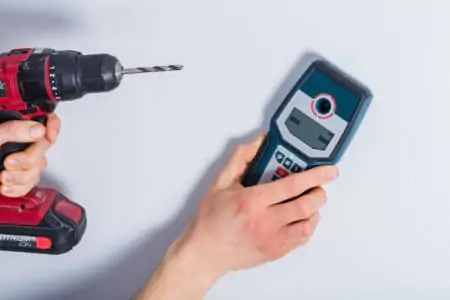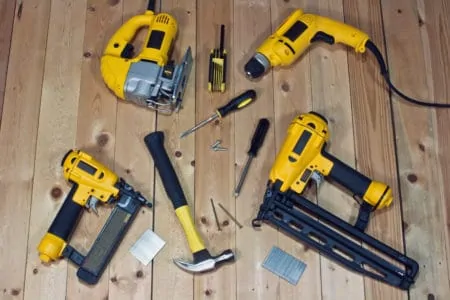
Corded drills are reliable, convenient power tools that will help you drill holes and drive screws quickly and easily. Unlike cordless drills, these drills don’t have batteries, so you won’t need to charge them or carry extra weight as you work.
For tackling general DIY tasks around your home, a corded drill is an ideal tool, as you will usually have access to an electrical outlet. If you decide to buy one of these drills, you will have plenty of options to choose from, so you might need some guidance to find the right one.
To help you, we have reviewed seven of the best corded drills that are currently available. We chose these drills for their drilling power, different modes, reliability, and ease of use.
- 10-amp motor
- Overload protection
- 4.9 pounds
- SDS chuck
- D-shaped handle
- 3 power modes
- Soft grip handle
- Depth gauge
- Extended motor life
- Adjustable speed settings
- Doubles as a hammer
- 360-degree rotating handle
- Auxiliary handle
- Variable-speed trigger
- Budget-friendly
- Great for tight spaces
- Onboard storage
- Affordable
- Mechanical clutch
- Sturdy material
- 11-amp motor
Review Methodology: At Sensible Digs, we meticulously conduct hands-on research and assessment on the best corded drills, applying professional criteria and benchmarks to evaluate each product’s performance. We compare and score drills based on key decision-making factors like power, durability, design, and usability, providing you with a thorough analysis backed by solid data and first-hand experience. We identify unique features that set each drill apart from its competitors and evaluate them from a user perspective, sharing quantitative measurements of their performance. Our aim is to help you make an informed decision with reliable evidence, reviews, and results. Trust in our findings and practical, user-focused evaluations.
The Best Corded Drills of 2024
There are countless corded drills available, so finding the right one can be very time consuming. To help you, we have reviewed seven of the best corded drills you can buy today, chosen for their drilling power, ease of use, extra features, and reliability.
DeWALT DWD210G Pistol-Grip Power Drill
Best Corded Pistol Grip Drill
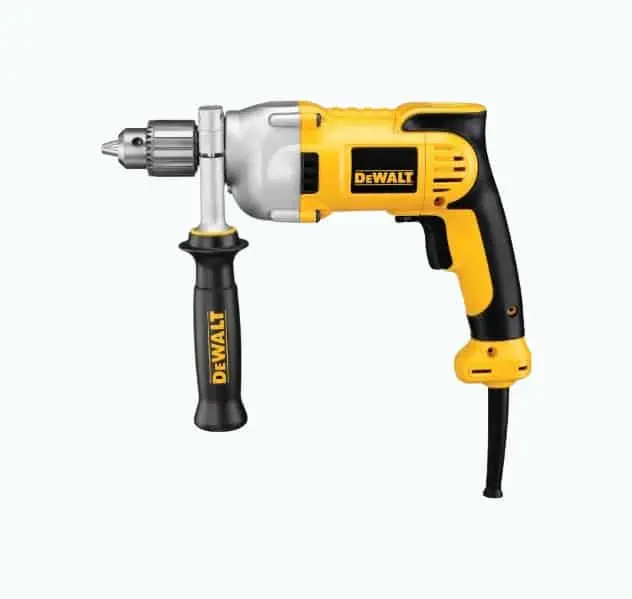
DeWALT is one of the oldest and most respected power tool brands in the world, so it is probably no surprise to find its drills on our list. This pistol-grip power drill has an extra handle to enhance your control, which is especially important when drilling through robust materials such as metals.
The 10-amp motor delivers a maximum of 1,250 RPM and the drill has built-in overload protection to prevent damage to the motor and gears. It has a reverse setting that means you will be able to remove objects as well as insert them.
The chuck is keyed to ensure a secure hold on the bit. Despite being a powerful drill, this model weighs just 4.9 pounds, so you should be able to use it for prolonged periods without suffering hand or wrist fatigue.
What We Like
10-Amp Motor
According to DeWALT, this 10-amp motor delivers 50% more power than an average motor of a similar size. The company’s designers have packed a lot of power into a small unit.
Overload Protection
The drill’s built-in overload protection is designed to prevent the motor from burning out when it encounters too much resistance. This significantly reduces wear and tear and extends its lifespan.
Lightweight
This DeWALT drill weighs just 4.9 pounds so you should be able to use it for a long time without encountering any issues. This is even more impressive considering how powerful it is.
What We Don't Like
No Hammer Action
At a glance, it is easy to mistake this drill for a hammer drill, especially as it has a pistol-grip handle. However, it doesn’t have a hammer function, which means it might be unable to deal with tougher drilling jobs.
Price
This isn’t one of the more expensive drills we have seen, but it still has quite a high price when you consider that it lacks a hammer action.
Product Specs
| RPM | 1,250 |
| Used for | Wood, metal |
| Weight | 4.9 pounds |
| Length of cord | 8 ft |
| Warranty | 3-year |
Our Ratings
User Experience
Bosch 11255VSR Bulldog Xtreme Corded SDS Hammer Drill
Best Heavy-Duty Corded Drill
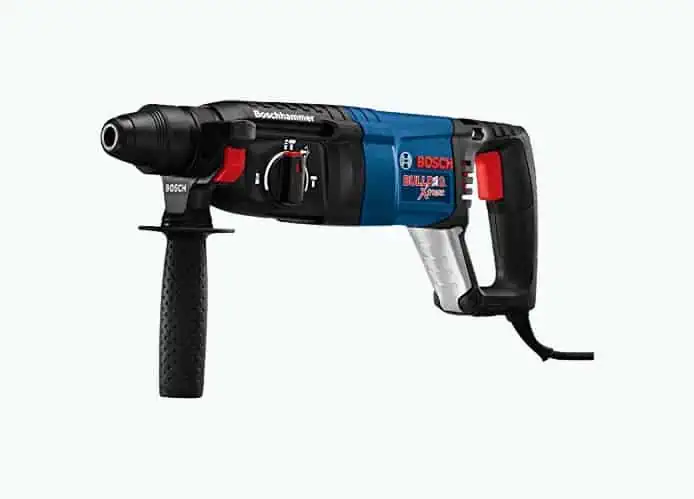
This Bosch corded drill is designed to cope with the toughest drilling tasks. For this reason, it has an SDS chuck to prevent the bit from slipping when placed under extreme pressure.
It has a D-shaped handle for a more secure grip and precise control. There is also an auxiliary handle for even greater control when completing precision drilling tasks.
The 8-amp motor generates 1,300 RPM and 5,800 beats per minute. This combination means it will bore through the majority of tough materials with ease.
What We Like
SDS Chuck
The SDS chuck may limit your drill bit options but it will hold them very securely. This is a major part of why this drill is suitable for tough jobs. A universal drill chuck will struggle to maintain a grip on the bit when placed under extreme pressure.
D-Shaped Handle
The D-shaped handle provides a more comfortable grip and makes the drill easier to control. It also means drilling overhead will be much easier.
3 Power Modes
This Bosch has three drilling modes: rotary hammer, rotation only and hammer only. This makes it suitable for both heavy-duty drilling and tasks that require a more delicate touch.
What We Don't Like
High Price
Bosch doesn’t make cheap tools, but they do make high-quality ones. If you have a tight budget, you might need to look elsewhere.
Limited Use
If you need a heavy-duty drill to smash through concrete, this is an excellent choice. However, it is probably too large and heavy for everyday drilling tasks around your home.
Product Specs
| RPM | 1,300 |
| Used for | Concrete, masonry, stone |
| Weight | 10.4 pounds |
| Length of cord | 8 ft |
| Warranty | 1-year |
Our Ratings
Personal Perspective
Makita Corded Hammer Drill
Best Corded Hammer Drill
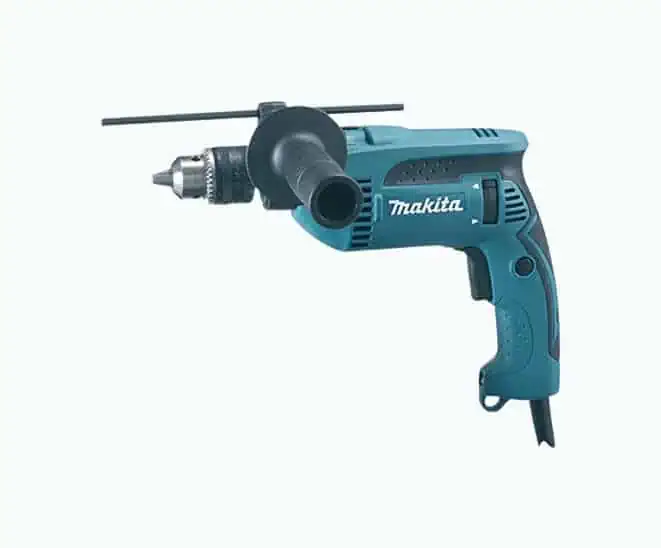
This Makita hammer drill has a 6-amp motor that generates 2,800 RPM and 44,800 beats per minute.
It has two drilling modes: rotation only and hammering with rotation. It benefits from a ball-bearing construction that improves its overall lifespan, and it has a lightweight design that makes it comfortable to use for prolonged periods.
The drill has a recessed lock-on button that allows you to continue drilling without applying constant pressure to the trigger. There is also a depth gauge that will help you avoid drilling too deep.
What We Like
Soft Grip Handle
The handle is designed for prolonged use. Its soft-grip, ergonomic design reduces the strain on your hand and wrist, which means you can drill comfortably for longer.
Depth Gauge
The depth gauge will show you when a hole has reached its intended depth, so you won’t have to stop and check it manually. This will increase your speed and accuracy.
Price
This is a high-quality drill but it is still very competitively priced. You should be able to buy it significantly cheaper than drills with similar performance.
Extended Motor Life
The brushes in this drill’s motor are designed to be more durable than traditional brushes. This means the motor won’t need to be serviced as frequently.
What We Don't Like
Short Power Cord
The power cord is short at 4 feet. Lack of maneuverability is the biggest drawback of corded drills and a short cable makes this more of an issue.
Product Specs
| RPM | 2,800 |
| Used for | Concrete, stone, masonry |
| Weight | 4.4 pounds |
| Length of cord | 4 ft |
| Warranty | 3-year |
Our Ratings
Community Feedback
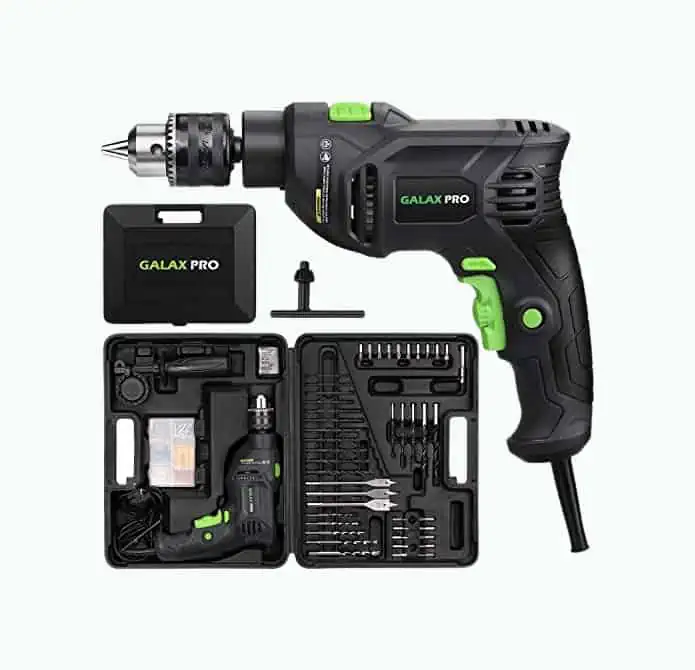
Galax Pro 5Amp 1/2-inch Corded
Best Corded Drill for Steel
This is a great multi-purpose corded impact drill from Galax Pro. It will be suitable for drilling steel plates, wood, plastic, concrete, masonry, and other materials. It has a 360-degree rotating handle that will make tough jobs much easier.
Its 5-amp motor can drill at up to 3000 RPM, making it a versatile tool for DIY enthusiasts and professionals alike. This versatility is enhanced by the included 105-piece kit, which will ensure you have the right tool for any job.
Despite being a budget-friendly drill, it is easy to switch between the standard rotary mode and hammer mode with the touch of a button.
What We Like
Adjustable Speed Settings
A simple knob allows you to adjust the drilling speed from zero to 3000 RPM. You can also lock the drill to your chosen speed, so you won’t need to hold the trigger while drilling.
Doubles as a Hammer
You can use this drill in hammer or rotary mode via the dual-mode selector. This enables you to easily switch from drill to hammer with the touch of a button.
360° Rotating Handle
The 360-degree rotating handle will help you hold the drill comfortably and securely, whatever the task. It has a rubberized grip to make it easier and more comfortable to hold.
What We Don't Like
Overheating Issues
Some customers report that the drill has an overheating issue. If you need to use your drill professionally or on large projects, it could slow you down significantly if you need to leave it to cool down.
Reflects the Price
This is a budget-friendly drill, which is reflected in its build quality. Some of its parts feel cheap and the accessories are not of particularly high quality. If you want a heavy-duty drill, it will probably be worth spending some more money for a higher-quality drill.
Product Specs
| RPM | 0-3000 |
| Used for | Steel plates, wood, plastic, concrete, masonry, and metal |
| Weight | 8.13 pounds |
| Length of cord | Not specified |
| Warranty | 2-year |
Our Ratings
First-Hand Impression
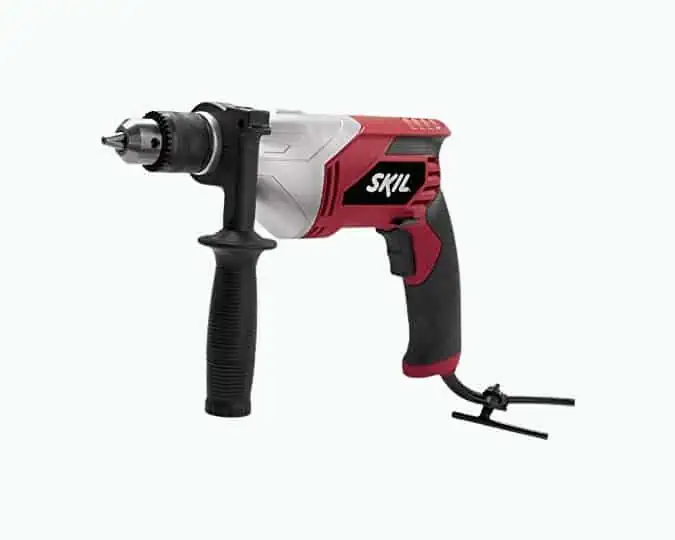
SKIL 6335-02 7.0-Amp Corded Drill
Best Corded Drills For Woodworking
This Skil power drill is a great tool for inexperienced DIYers and woodworkers. It is very affordable and has an auxiliary handle that will help you keep it stable while drilling.
Its 7-amp motor delivers 950 RPM, which might not sound like much but should be enough to drill into the majority of types of wood.
It has a 0.5-inch keyed chuck that can accommodate the larger drill bits used in woodworking. The built-in spirit level will help you keep the drill properly aligned during use, which is another boost for beginners.
What We Like
Low Price
The low price is the main selling point of this drill. It is very budget-friendly which makes it an ideal option for beginners looking for their first drill.
Auxiliary Handle
The multi-directional handle will help you hold the drill more securely and guide it more accurately. It will also help you hold it from different angles, which is very helpful if you are working on something awkward.
Variable-Speed Trigger
It is important to start drilling slowly and steadily build speed if you want to achieve a neat finish. This drill’s variable-speed trigger will help you control how quickly your drill spins with how hard you press the trigger.
What We Don't Like
Low RPM
Low RPM is unlikely to be an issue when you are working with wood, but you will be limited in terms of materials. This tool isn’t suitable for heavy-duty drilling.
Build Quality Issues
With power tools, you often get what you pay for. In the case of this drill, the build quality is questionable, but you might not expect anything else from a budget drill.
Product Specs
| RPM | 950 |
| Used for | Wood |
| Weight | 5 pounds |
| Length of cord | 8 ft |
| Warranty | 1-year limited |
Our Ratings
User Experience
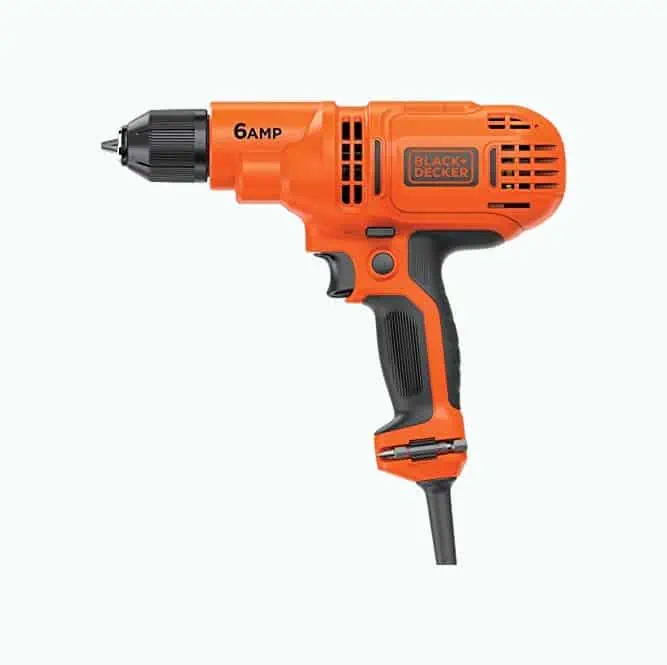
Black and Decker 6.0-Amp Corded Drill
Best Corded Drill For Driving Screws
Black and Decker are rightly considered pioneers of power tools, especially drills. They introduced the first portable electric drill with trigger control and an auxiliary handle (1).
This drill is a very good all-rounder to use in your home or on small-scale projects, but it excels as a drill driver. It is compact and lightweight and includes a screwdriver bit as part of the package.
It runs at 1,500 RPM and has a keyless chuck for faster bit changes. This compact drill will fulfill all of your DIY and home maintenance requirements.
What We Like
Compact
Driving screws can be challenging as they are sometimes in hard-to-reach or awkward places. This compact drill is ideal for working in tight spots with no loss of power.
Onboard Storage
This drill has onboard storage for your screwdriver attachment and other bits, so they will always be within arm’s reach. This will help you keep working and reduce the chance of misplacing one of your bits.
Low Price
Despite being made by one of the leading names in power tools, Black and Decker have made this drill shockingly inexpensive. You could buy this drill a few times over for the cost of some others we have seen.
What We Don't Like
Limited Uses
While this reliable drill will see you through years of home maintenance and light DIY projects, it won’t cope with heavy-duty tasks. It is a driver first and a drill second.
Build Quality Issues
As with most budget drills, compromises have been made with this drill’s materials. The least expensive drill will usually be made by the manufacturer that uses the cheapest materials.
Product Specs
| RPM | 1,500 |
| Used for | Driving screws |
| Weight | 3.44 pounds |
| Length of cord | 6 ft |
| Warranty | 2-year limited |
Our Ratings
Personal Perspective
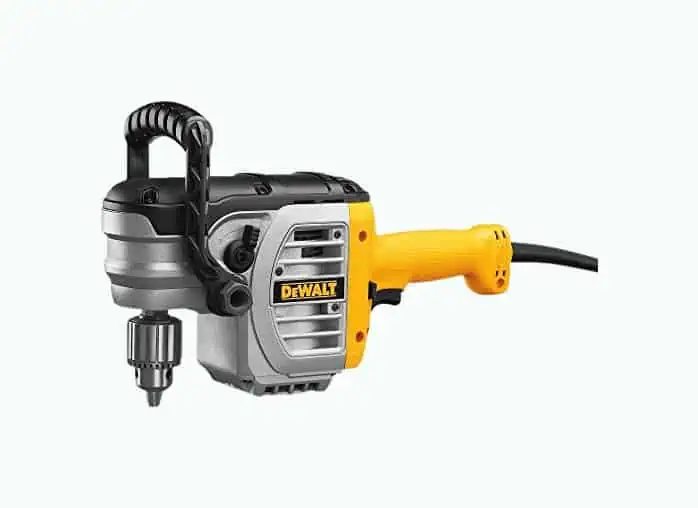
DeWALT DWD450 11-Amp Stud and Joist Electric Drill
Best Corded Drill With Clutch
This DeWALT model is an unusual corded drill because it has a clutch, which is far more common with cordless drills. This is because it is used for drilling joists in wood at right angles, which can be hard work.
It has an 11-amp motor that generates 1,300 RPM, which is helpful when working with hardwood or steel. The mechanical clutch will protect the drill’s gears if the bit encounters too much resistance and can’t move.
Overall, this is a sturdy, powerful drill that is suitable for specific professional use.
What We Like
Mechanical Clutch
The mechanical clutch protects this drill’s gears from being damaged when working under extreme pressure.
Sturdy Design
DeWALT is highly regarded for producing some of the most durable, reliable power tools today and this product is no exception. It has a metal casing that will protect it on job sites.
11-Amp Motor
The 11-amp motor is powerful and creates a lot of torque, which means this drill is suitable for difficult jobs.
What We Don't Like
Specialist Tool
Using this tool for general drilling jobs would be overkill. It is a specialist drill designed for use in professional settings.
High Price
This drill is expensive, but it is only intended for professional use anyway.
Product Specs
| RPM | 1,300 |
| Used for | Stud and joists |
| Weight | 11.25 pounds |
| Length of cord | Not specified |
| Warranty | 3-year limited |
Our Ratings
Community Feedback
| Product | Best | RPM | Used for | Weight | Cord Length | Warranty |
|---|---|---|---|---|---|---|
| DeWALT DWD210G Pistol-Grip Power Drill | Pistol Grip | 1,250 | Wood, metal | 4.9 lbs | 8 ft | 3-year |
| Bosch 11255VSR Bulldog SDS Hammer Drill | Heavy-Duty | 1,300 | Concrete, masonry, stone | 10.4 lbs | 8 ft | 1-year |
| Makita Corded Hammer Drill | Hammer Drill | 2,800 | Concrete, stone, masonry | 4.4 lbs | 4 ft | 3-year |
| Galax Pro 5Amp 1/2-inch Corded | Steel | 0-3,000 | Steel, wood, plastic, concrete, masonry | 8.13 lbs | N/A | 2-year |
| SKIL 6335-02 Corded Drill | Woodworking | 950 | Wood | 5 lbs | 8 ft | 1-year limited |
| Black & Decker Corded Drill | Driving Screws | 1,500 | Driving screws | 3.44 lbs | 6 ft | 2-year limited |
| DeWALT DWD450 Stud & Joist Drill | Clutch | 1,300 | Stud & joists | 11.25 lbs | N/A | 3-year limited |
Should You Buy a Corded or Cordless Drill?
Whether to buy a corded or cordless drill depends on where you intend to use it and how often. Corded drills are convenient and dependable when used inside your home or workshop, but you will have far less freedom as they need to be plugged in at all times.
Corded drills are lighter and more powerful than cordless ones. If you are working on a project that requires extra drilling power, a corded drill will usually provide more than a cordless one.
Perhaps the biggest benefit of a corded power drill is its lack of a battery. As long as it is connected to a live electrical outlet, you won’t need to worry about it running out of power. As they don’t have batteries, corded drills are also cheaper, so you can save money by buying one.
On the other hand, cordless drills will allow you to work outdoors or anywhere else that lacks access to a power supply. They are heavier and more expensive than corded drills, so it might not be worth choosing one if you don’t anticipate drilling outside your home.
Remember
Are Corded Drills More Powerful Than Cordless Drills?
As a general rule, corded drills are more powerful than cordless ones, although this gap is not as large as it used to be. They can also run continuously without needing to be charged, so the only thing that will stop your drill is a power cut.
As cordless drills have a finite amount of charge in their batteries, there will be a limit to how much work you can do at once. The harder the drilling task, the more quickly the battery will drain, so a corded drill will help you tackle the toughest tasks.
Do Corded Drills Have a Clutch?
Corded drills generally don’t have a clutch as they are better suited to heavy-duty drilling tasks, rather than driving. Cordless drills are often used as electric screwdrivers and they can struggle with harder materials, so a clutch prevents damage to the screw or overstressing the drill. The clutch disengages the gears when the drill encounters a certain amount of resistance.
As corded drills are primarily for drilling rather than driving, you won’t need to worry about damaging screws. However, some corded drills still have a safety clutch that disengages the chuck if the bit gets stuck to prevent the drill from jerking as it comes to an abrupt stop.
How Do I Choose a Corded Drill?
Corded drills are among the most popular power tools in the world, so you will have plenty of models to choose from. This can make it quite daunting trying to find the right one but there are some key points to consider that should help you narrow your search significantly.

Features
A variable speed trigger provides more intuitive control when drilling. You can start the drill slowly and gradually build speed by simply pressing harder on the trigger.
Drills might have other important features such as a reverse setting and hammer action. Depth gauges are also useful when boring deep holes, and some drills have built-in lights that will give you a clearer view of your work.
Other helpful features include spirit levels to ensure you drill at the correct angle and trigger locks that allow you to continue using the drill without pressing the trigger.
RPM
A drill’s speed is measured in revolutions per minute (RPM), which describes how often many times the drill’s chuck rotates in a single minute. This is a good indicator of how quickly your drill will work, but it is also important that it has high torque if you want to bore into harder materials.

Torque
Torque is measured in Newton-meters (Nm) and refers to the tightening force. Torque is a critical factor in how well your drill will penetrate tough materials. Corded drills generally provide higher torque than cordless drills, which is why they are better suited to heavy duty drilling.
Impact Rate
The impact rate is the number of strokes per minute a hammer drill makes and plays a large part in how well it will perform when drilling through harder materials.

Weight
Keep in mind that you will need to hold the drill’s weight while using it, potentially for prolonged periods. The heavier the drill, the greater the stress it will place on your hands, arms, and wrists. If a drill is too heavy and you need to use it throughout the day, it could cause hand fatigue and affect your ability to complete your task.
Keyless Chuck
Keyless chucks will speed up your work as they make it much quicker and easier to replace bits and accessories in the chuck. You also won’t need to worry about losing the chuck key.

Amps
Most corded drills have 6 to 9-amp motors. The higher the amperage, the stronger the motor will be, but there are other factors that will affect how effectively your drill works.
Hammer Setting
Hammer settings were once a luxury but they are now a standard of many drills, especially corded ones. When searching for a corded drill, you will probably see more models with hammer settings than those without.

Additional Handle
An extra handle will enhance your control of the drill, which is particularly important when drilling into harder materials. For more robust materials such as rock and concrete, a handle will improve your accuracy and reduce the risk of the drill moving across the surface.

Cost
Budget is an unavoidable part of choosing any product and it will make a significant difference to which drills you can buy. It isn’t a universal rule but, in general, higher-end drills will be more expensive. Budget-friendly drills usually have lower quality parts and generate less power, but they might still be strong enough for less intensive drilling jobs.