Knowing how to dispose of an old toilet safely and legally is tricky. In today’s eco-conscious world, using a landfill is bad news because it pollutes the planet and is unsightly. But when it comes to toilet disposal, millions end up in landfills every year.
There are cleaner alternatives. We show you how to recycle your old toilet and suggest greener options.
Key Takeaways
- Donate the toilet to charities like Habitat for Humanity Restore if it’s in good condition.
- Disassemble the toilet and dispose of it through curbside pickup, following local guidelines.
- Recycle the toilet at a local recycling center to reduce environmental impact.
- Repurpose the old toilet in your garden as a planter, bird bath, or mini pond.
Can I Put a Toilet In My Garbage?
Check with your local authority before dragging your old toilet to the curbside. There may be restrictions on how the toilet is disassembled. Most rules call for the seat and tank lid to be removed along with bolts.
You will also need to know the collection dates to put the toilet out on the right day.
How to Dispose of an Old Toilet
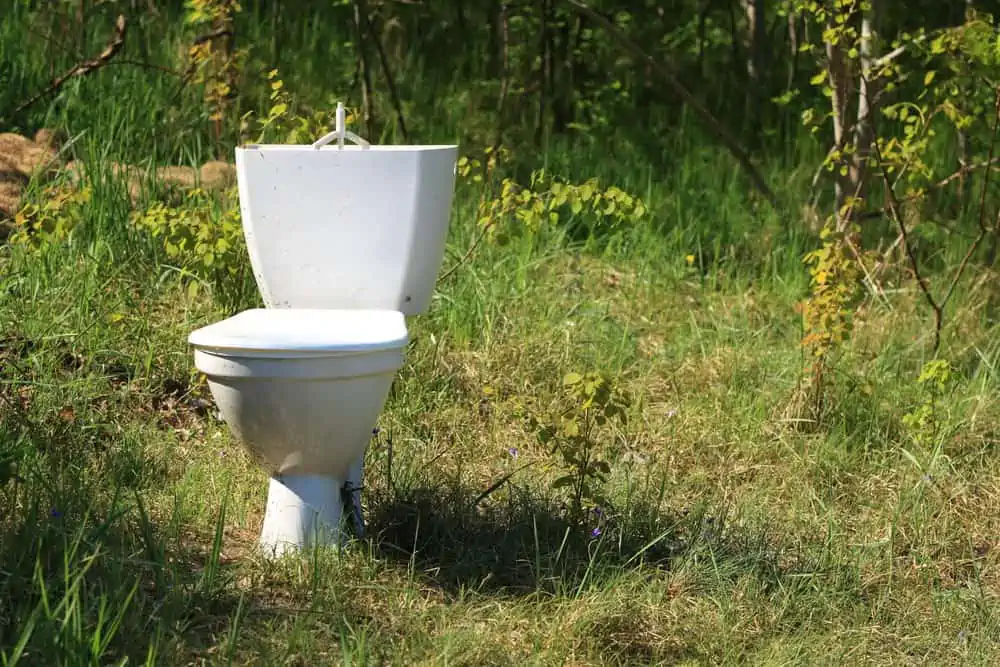
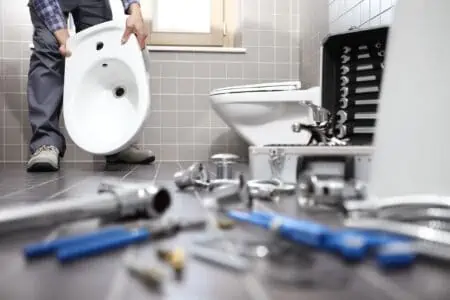
So, you’ve ripped out the old toilet and installed the new one, but what do you do with an unwanted commode? Here are the ways you can dispose of it safely and legally.
Donate the Toilet
Charities exist that take old plumbing and give it a new lease of life elsewhere. Habitat for Humanity Restore is an excellent example of a non-profit organization reusing old bathroom fittings and other gently used items.
If your toilet is sanitary, in good condition, and functioning, why not pop it into your car’s trunk and take it to one of their recycling centers. You’ll be helping someone in need and reducing your impact on the environment. Win, win!
Curbside Pickup
Most local authorities have a waste management service that offers curbside pickup. Check with them first to gauge the rules before you drag your toilet out into the street.
Many require the toilet to be taken apart, with the tank’s lid and toilet seat removed. You also need to ensure the fixing bolts are taken out and the bowl is water-free.
Speaking to the waste collection agency reduces the chances of them refusing to take the toilet and gives you accurate collection dates.
Disassemble the Toilet
Toilets are bulky items, but they are lighter and easier to dispose of when disassembled. It might be easier to throw away the core parts separately. Don’t throw the toilet in your household waste because it would make it heavy, and the garbage operator might reject it.
Follow the guidelines above for contacting your trash management agency, and they will set out the rules for collection. Some may restrict the bulk of the item, and breaking it into pieces makes it more acceptable.
Landfill or Transfer Station
This may not be the greenest solution, but it is the most common way of disposing of an old toilet. Millions end up in landfills every year! The transfer station is a holding facility that sorts through large trash items before deciding their fate.
You may not have a nearby facility and decide that landfill is the only route. Some transfer stations charge a fee, especially if you are a non-resident, so bear that in mind. You may also have landfill fees to cover because your toilet is such a bulky item.
It’s always best to make contact before delivering your toilet to get the fees and method of payment.
Rent a Dumpster
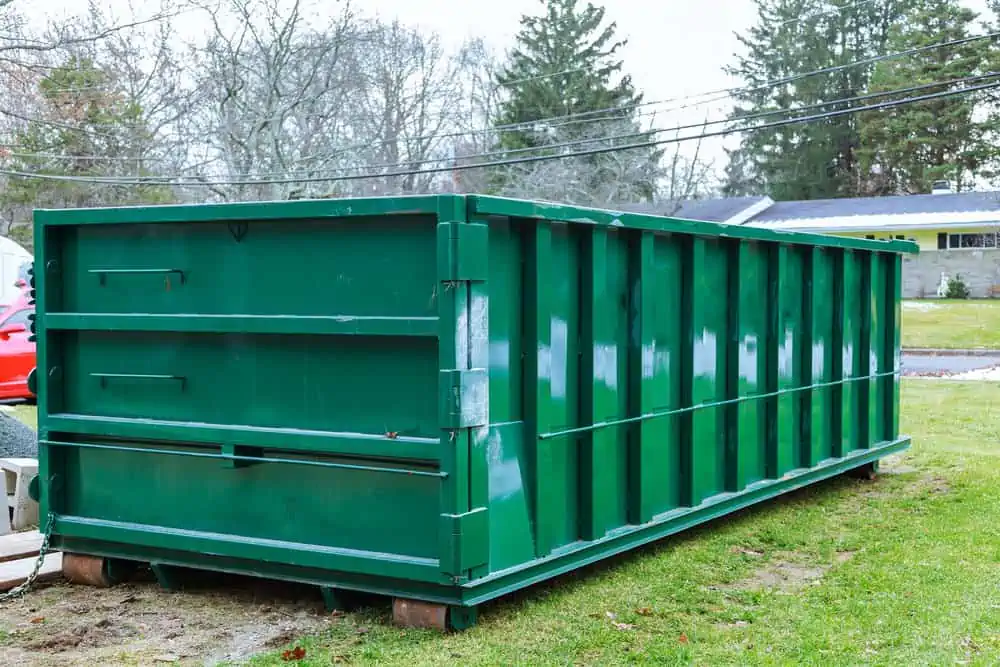
If you are making extensive improvements to your bathroom, renting a dumpster makes financial sense. You can store all your waste conveniently and safely, and it gets carted away when you are done.
You can find dumpster companies online, read reviews before choosing, and compare prices. It’s always best to speak to the professionals to determine the size of the dumpster and how long you’ll need it.
There may also be some items you can’t throw away due to restrictions. Some older toilets and bathroom fittings contain asbestos, which is highly toxic.
Take Note
If all you are doing is removing a toilet, renting a dumpster may not be cost-effective.
Recycle the Toilet
If you don’t like the idea of tossing your toilet into a landfill, try recycling it and giving it a new lease of life. Search for local recycling centers online and find out if they take used porcelain toilets.
You can also get recommendations from your local garbage collection agency and local water authority. Shop around because you may be charged a fee when dropping off the toilet.
Sell or Give the Toilet Away
Selling the toilet yourself is a useful way of recouping some of your costs, and you get the satisfaction of knowing it found a new home. That’s got to be better than it ending up in the garbage.
You will need to ensure the toilet is scrubbed clean and looks presentable. If you are worried that it is unlikely to sell, give it away. Why not join a local recycling online group and see if you can donate it to someone in need.
Freecycle is the most well-known and provides details of each item and location. Once you make contact with an interested party, you can arrange a pickup or dropoff point and suitable dates.
Repurpose the Toilet
Why not turn your old toilet into a useful item. They make great novelty planters for your garden. They also make excellent bird baths if you seal the base so that water stays in the bowl.
Finding a use for an unloved item means you don’t have to get rid of it, and it serves another purpose.
You can also turn the toilet bowl into a miniature pond to attract frogs, insects, and other wildlife. We’ve even seen some people repurpose toilet seats as photo frames, although that won’t be to everyone’s taste.
Toilet Disposal Fees
Whenever you dispose of large and bulky items, it sometimes comes with a fee attached. Whoever deals with your old toilet will incur costs, so it is only fitting that they pass those on to you.
Your local garbage collection agency will tell you their fees for curbside collection, and when ordering a dumpster, shop around for the best deal. Even landfill sites may charge for the disposal of an old porcelain toilet.
How to Remove a Toilet
Before you can dispose of your old toilet, you need to remove it. Here’s a handy guide, including the tools and materials you’ll need.
What You’ll Need
- Putty knife.
- Pliers.
- Screwdriver.
- Hacksaw.
- Adjustable wrench.
- Penetrating oil.
- Bucket.
- Rags.
- Rubber gloves.
- Old towels.
- Sponge.
- Wire brush.
1. Isolate the Water and Drain the Toilet
Turn off the water at the supply valve on the wall behind the toilet. Next, flush the toilet to drain water from the tank. Lay the old towels around the base of the toilet to catch drips. Use the sponge and bucket to mop up the residue in the tank base.
You will also need to remove the water in the bowl, so don your rubber gloves and mop up the water with the sponge and bucket.
2. Remove the Toilet Tank
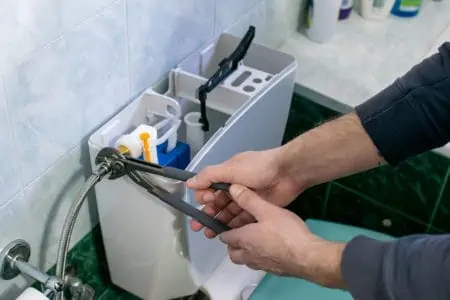
Disconnect the water supply pipe using the adjustable wrench. Feel beneath the tank, and locate the bolts connecting the tank to the bowl.
Use the adjustable wrench and pliers to loosen the nuts. When the bolts are free, you can gently lift the tank from the bowl and place it to one side.
If you have a one-piece toilet, like this Swiss Madison model, you only need to disconnect the water supply pipe.
Top Tip
After years of service, the bolts may be rusty. Use WD-40 to loosen the nuts if they are stuck solid.
3. Remove the Toilet Bowl
To get rid of the toilet bowl, you will have to remove the anchor bolts that secure the toilet to the floor. Lift the cap ends that protect the bolts, exposing the bolt heads. Unscrew each bolt and remove them.
Use the putty knife to cut through the caulk line that seals the toilet to the floor. Gently rock the toilet to loosen the wax ring located in the flange.
Eventually, the toilet will come free, and you can place it to one side for safe removal. Again, if the bolts have rusted, a penetrating oil like this Kano Aerokroil is an excellent product to use.
4. Cleanup the Flange
Use the putty knife to clean the old wax ring from the toilet’s base. Also, remove the wax residue in the toilet flange. Scrape the caulk away with the putty knife. If the flange is showing signs of wear and tear, it may be better to replace the flange while the toilet is out.
5. Plug the Drain Pipe
Stuff an old rag into the drain pipe to prevent sewer gasses and smells from seeping into your home. Keep the rag in situ until you are ready to install the new toilet.
FAQs

Will a Plumber Dispose of a Toilet For You?
Employing a licensed plumber means he can dispose of your old toilet. Check that the price of disposal is included in the quote.

Does Home Depot Take Old Toilets?
Home Depot does not take old toilets. You will need to locate the nearest recycling center or visit Habitat for Humanity Restore to find their nearest store.

Are Toilets Hazardous Waste?
Modern toilets are not considered hazardous waste, but older models might be. All toilets used to contain asbestos, a toxic additive that causes lung cancer. You will need to employ the services of a specialist contractor, which ramps up the costs.
Keep In Mind
You can still buy toilets containing asbestos, so check with the manufacturer before dumping them in a landfill.
To Dump or Not to Dump
It really is the question when it comes to disposing of your old toilet. Recycling your old toilet is the greenest method if you care about the planet and reducing your impact. There are several ways you can avoid simply tossing the toilet in the trash.
Or you could unleash your creative side and repurpose the toilet into a planter or bird bath. The planet will thank you, and so will the wildlife.