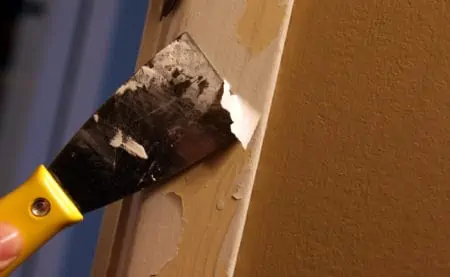
That freshly painted wall looks great, but what do you do about the paint splatters? Even the most skilled decorator suffers paint mishaps. So, knowing how to remove paint from nearly any surface helps you rescue the situation.
We explain the best ways of removing paint and show you how to prevent splatters in the first place.
Key Takeaways
- Soften paint with vegetable or cooking oil and scrape it away with a tool.
- Use denatured alcohol or acetone for tougher stains, but do a spot test first.
- Clean the area with warm soapy water after removing the paint.
- For paint splatters on wood, try using a heat gun or sander to remove them.
How to Remove Paint from Nearly Any Surface
Paint can stain any surface, and once dried, it can be devilishly hard to remove. Lifting paint from multiple surfaces will save you time, money, and hassle. Let’s dive right in.
Metal
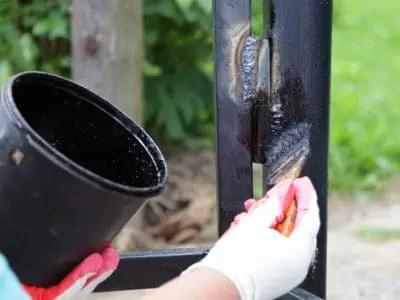
Lifting paint from metal is possible using three techniques: sanding, heat, or chemical stripper. Sanding is effective, but only on larger pieces. For smaller items, use the other methods.
Chemical paint removers come as an aerosol, liquid, or paste. Simply apply some paint stripper to your metal object and wait while the paint lifts off. Then wipe the excess away to reveal the bare metal beneath.
Using a heat gun is the final option. Hold the gun about six inches from the metal surface and let the heat melt the paint. Use a scraper to remove the stain and wipe it clean with a cloth.
Carpet
For paint dried onto the carpet, soak the stain in detergent and water and leave it to absorb. Use a knife or paint scraper to peel away the layers of pigment from the carpet fibers. Add more water and dish soap as you work.
If the scraper doesn’t get the paint up, try a steamer or stiff-bristled hand brush.
Plastic
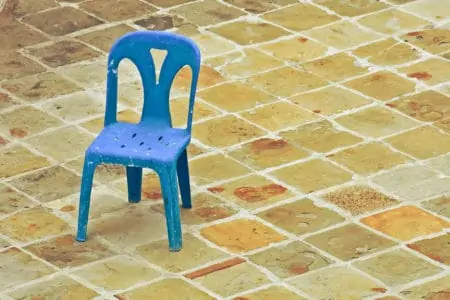
Some paint thinner damages plastic, so be careful. Also, scraping paint from plastic could leave gouges. Pour some vegetable oil onto the stain to soften the paint, and use a putty knife to scrape it away.
You can use acetone, but be sure to do a spot test before proceeding. Once the paint lifts, wash the plastic with soap and water.
Leather
Leather is particularly challenging to remove paint stains. If you are lucky, the paint will just rub off. If not, add a dab of cooking oil and rub it into the paint to soften it.
If all else fails, use acetone, but always do a spot test.
Top Tip
Be sure to wash the leather clean with soapy water, or the oil may damage the leather.
Concrete
Concrete is porous, so removing paint stains from concrete is particularly challenging. You will need to loosen any paint with a stiff brush and add a generous dab of paint stripper for this method. Leave it to soak into the stain for a couple of hours.
Wipe away the residue of paint and clean with soapy water.
If you prefer a non-chemical approach, try using a pressure washer. Set the nozzle to concentrate the jet and hold it about a foot away from the concrete.
Safety First
Chemical stripper is extremely dangerous. Keep it away from your skin, or it will burn. Wear safety gloves and a face mask to protect you from fumes.
Brick
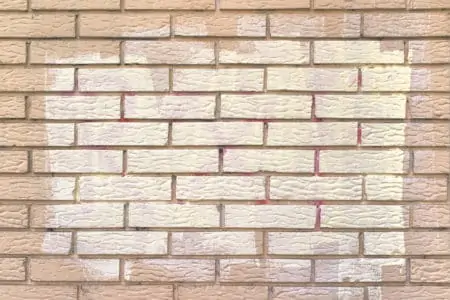
As with concrete, you could use a paint stripper to remove the stain or try the brute force of a pressure washer. Another more powerful method is to use a soda blaster. Soda is non-toxic and more potent than pressure washing.
The alternative is to sandblast the paint from the wall. However, sandblasting can damage the brickwork and wooden sidings, so be careful where you aim.
As a last resort, use a small amount of lacquer thinner, but only in areas with good ventilation. The thinner loosens the paint enough to be scraped off with a stiff brush.
Glass
Removing paint from glass is actually easy compared to other surfaces. Glass is non-porous, so you can scrape it away. Just be careful to do it without scratching the glass.
Use Windex to lubricate the surface while scraping with your putty knife. Wipe the glass clean with a dry cloth. Try mineral spirits, denatured alcohol, acetone, or lacquer thinner if the paint won’t shift using a scraper.
It’s better to start with the least harsh chemicals first and scale it up when you need to. When the paint lifts off, wash the glass clean with Windex and a dry cloth.
How to Remove Paint from a Floor
The methods vary depending on your flooring type. Lifting paint from wood or vinyl takes patience and the right materials.
What You’ll Need
- Sander.
- Scraper.
- Scrubbing brush.
- Soap and water.
- Heat gun.
- Chemical paint stripper.
- Mineral spirits.
- Rubbing alcohol.
- Steel wool.
- Sponge scourer.
- Dry cloth.
- Face mask.
- Safety gloves.
- Goggles.
- Knee pads.
1. Don Safety Gear
Depending on the products you use, you will need to don a face mask, gloves, goggles, and knee pads. Chemical strippers are extremely dangerous and give off poisonous fumes when applied to paint.
Keeping paint stripper from hands and skin is crucial, which is why you need to wear heavy-duty gloves.
2. Removing Latex Paint from Wood
Try the non-toxic methods first. Use the paint scraper to lift the paint. If that doesn’t work, try a heat gun. As the paint starts to bubble, scrape it away and wipe the area clean with a cloth.
The final technique to avoid using chemicals is the sander. Sand the splatter spot until it disappears. Just remember to use the correct stain treatment to blend the area where you’ve sanded.
Top Tip
Steel wool, like the ones you use to clean pots and pans, works well at scraping away paint. Even a sponge scourer might work.
3. Try Chemicals
Try rubbing alcohol to loosen the stain so you can wipe it away. This Amazon brand alcohol is an affordable product to use. Allow the paint to absorb the rubbing alcohol before wiping it clean.
If you have a stubborn paint splatter, use a scrubbing brush. You may need to step it up and use a chemical paint stripper. Dab the stripper onto the paint with a dry cloth and rub it in. The stain should come away.
Now, wipe the area clean with a fresh cloth.
4. Removing Paint from a Vinyl Floor
Because your floor is vinyl, using a sander or heat gun is not an option. You will need another method to get rid of that paint stain. The first step is to use soap, water, and a sponge scourer, but don’t rub too hard, or you may fade the vinyl.
Second, use an acetone cleaner soaked onto a cotton swab. Apply it to the paint and wait for a few minutes. Wipe the surface clean with a fresh rag.
Take Note
Removing paint from vinyl flooring limits your options because harsh chemicals will also lift the vinyl coating along with the paint.
How to Remove Paint from Your Hands and Body
Removing paint from your skin limits you to the types of techniques and products you can use. You can’t use harsh chemicals because they burn, and you can’t use mineral spirits because they absorb through your skin.
Eventually, the chemicals find their way to your bloodstream, which is not a good outcome.
What You’ll Need
- Soap and hot water.
- Dry cloth.
- Nail brush.
- Sponge scourer.
1. Soak Your Skin
Immerse your affected skin in hot water and dish soap. Allow the water to soften the paint.
2. Use the Nail Brush
Nail brushes are excellent for getting stubborn paint stains from your hands and skin. Once the paint is saturated, gently rub the splatter with the bristles.
Wipe the area clean with a dry cloth as the blemish lifts off. You may need to perform this task a few times until the stain vanishes.
3. Step It Up with a Sponge Scourer
If you’ve tried the nail brush and the paint won’t shift, use the coarse side of a sponge scourer. The trick is to rub just enough to lift the mark without damaging your skin’s surface.
Safety Notice
If your skin feels sore or you get red patches appearing, stop scrubbing. Paint on skin fades naturally with time, and it’s not worth giving yourself a skin rash.
How to Remove Paint from Clothes
Always wear old clothes when painting because splatters are inevitable. However, before you throw your garments away, there are a few tricks you can try to remove the paint.
What You’ll Need
- Soap and water.
- Sponge scourer.
- Acetone.
- Mineral spirits.
- Clean rag.
- Goof-off.
1. Remove Wet Paint
The easiest way to remove paint splatters is to do it when it’s wet. Soak the garment in warm, soapy water, using the sponge scourer to rub away the stain. Water-based paint is easier to remove using this method.
If the paint stain is latex-based, another fantastic product to use is Goof Off. It removes wax, caulk, adhesive, gum, marker pen, and water-based paints.
2. Mineral Spirits
If you have oil-based paint on your clothes, dab mineral spirits onto a clean rag and rub it onto the affected spot. You will see the paint start to lift. Use clean parts of the rag to dab fresh mineral spirits onto the stain.
3. Wash the Garment
Once all the paint is gone, dip the garment into warm soapy water and scrub the affected area with the sponge scourer.
4. Acetone for Dried Paint
If you don’t spot the paint and it dries on your clothes, you will need something that breaks down the pigment. Like this Eternal Nail Polish Remover, acetone is a great product for lifting off dried-on paint.
Acetone has no VOCs (volatile organic compounds), so it is safe to use and better for the environment. Products with VOCs emit low-level ozone when they dry.
Ensure the paint is saturated. Either wet a rag or pour it directly onto the paint stain. Now scrub the spot with a sponge scourer.
Important Point
Don’t over scrub the spot, or you will damage your garment.
Tips for Preventing Paint Splatters
Prevention is always better than the cure, so keeping your surfaces free of paint splatters is the ideal scenario. The pros know a thing or two about preventing paint splatters, so let’s take a few tips from them.
Drop Cloths
Let’s go old school. Drop cloths have been used for centuries to keep paint from falling onto surfaces. They are cheap, easy to transport, and extremely effective.
Before attempting your DIY, cover everything in the room, and the paint can’t touch it.
Coveralls
Like this Dickies Men’s Range, coveralls have been preventing paint splatters for generations. The principle is the same as drop cloths in that if your clothes are covered, you can’t get paint on them.
Disposable Suits
If you want to look like the forensics team from CSI Miami, wear a disposable suit like this YIBER Disposable Coverall. It protects against paint and dust and has elasticated cuffs, ankles, and waist.
You might look a bit silly wearing one, but it gets the job done.
Thinner Naps
If you are using a roller, thinner naps produce fewer splatters. The nap is the part of the roller that takes the paint and rolls it onto the wall. You only need a fatter nap if you are painting textured surfaces.
The speed that you roll the nap also reduces or increases instances of drips. Moving the roller slowly keeps more paint on the nap and less on the floor.
FAQs

How Do You Remove Small Paint Splatters?
Use soap and water on latex-based paint and mineral spirits on oil-based paints. Dab some onto a clean cloth and rub at the affected spot until the paint comes off.

Does Vinegar Remove Paint?
It removes paint from some surfaces and not from others. At the very best, it will soften the paint to make it easier to scrape away. Using it on carpets, rugs, and clothing can be effective, but on wood and concrete, it has little effect.

What is the Fastest Way to Remove Paint From Wood?
The quickest way of removing paint from wood is to use a heat gun and a scraping tool. The other effective method is to sand the wood.

What is the Easiest Way to Remove Paint From Wood?
The easiest way to remove paint from wood is to use a paint stripper. Powerful chemicals cause the paint to blister, making it possible to wipe it away. However, take extreme caution when using chemical strippers because they can burn skin.
Take the Pain Out of Paint
Inevitably, paint gets everywhere. It will find a way to stain your surfaces, clothes, carpets, and any other surfaces you can think of. The easiest way of removing paint is to wipe it away when wet, but all is not lost if it dries.
Using a few simple methods can retrieve the situation and save you money, time, and hassle.