Our Top Picks

- 3-stage KDF + carbon
- 5-year/50,000-gal life
- NSF/ANSI 42 & 372 certified
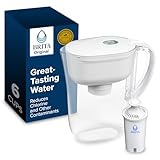
- 6-cup capacity
- BPA-free plastic
- Simple filter replacement

- Gravity system
- Filtration rate of 1.75 L/min
- 4-liter capacity

- Coconut & carbon filter
- Purifies more than 700 L
- Removes chlorine

- Stainless steel faucet filter
- Activated carbon filter
- Processes 0.5 gallons per minute
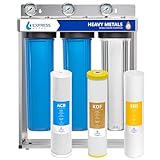
- 3-stage sediment + KDF + carbon
- Targets lead, chlorine & VOCs
- Pressure gauges + clear housing
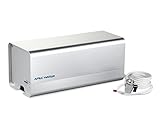
- Sleek metallic design
- Reverse osmosis filtration
- Filters fluoride
Our Review Criteria: What a filter is certified to remove decides the purchase, so third-party certification came first: NSF/ANSI 42 for chlorine and taste, 53 for health contaminants such as lead and cysts, 58 for reverse osmosis, and 372 for low-lead materials, weighted above marketing claims. We then compared filter life and the yearly cost of replacement cartridges, flow rate, installation difficulty, and how each unit fits a typical home. We matched each award to a specific use case rather than naming one overall best, because a renter’s countertop needs a different filter than a whole house. Our comparisons drew on manufacturer specifications, certification listings, and independent user reports. We confirm every pick is currently available and swap out discontinued models.
Most of us expect clean, safe water when we turn on the tap. Aging pipes and municipal supply problems mean that isn’t always the case. Lead can leach from old service lines unpredictably, and chlorine used to disinfect city water leaves a taste many people want gone. The EPA sets an action level of 15 parts per billion for lead, but its own guidance notes that level is a trigger for utility action, not a safe threshold (1).
The right water filter closes that gap. The hard part is matching the filter to your actual water problem, since the styles and methods on the market do very different jobs. Below we break down each filter type, then review seven of the best water filters for the home and the trail so you can pick the one that fits your water, your space, and your budget.
Types of Water Filters
Before grabbing the first filter you see, consider your specific needs. Do you need to treat every drop entering your house, or just the water you drink? Here is a breakdown of the most popular options to help you decide.
Faucet Filter
A faucet filter is a compact unit that screws directly onto your existing tap. Installation takes a few minutes: you unscrew the aerator and thread the filter on in its place. Most models include a diverter switch so you can toggle between filtered water for drinking and unfiltered water for washing dishes, which stretches the cartridge life.
Faucet filters are a low-cost way to clean up water for cooking and drinking, mainly through activated carbon that targets chlorine and taste. The trade-offs: they don’t fit every faucet (pull-down sprayers and square spouts are common misfits), they slow the flow a little, and the small cartridges need swapping every two to three months.
Pros
- Installs in minutes
- Affordable entry point
- Great for removing chlorine taste
- Switch between filtered and unfiltered
Cons
- Slows down water flow
- Doesn’t fit designer faucets
- Filters need frequent swapping
Under-Sink Filter
If you want more power without the clutter, look at an under-sink model. These systems live in the cabinet beneath your sink and tap directly into the cold water line. Because they are larger, they often provide better flow rates and use advanced multi-stage filtration, such as reverse osmosis.
Under-sink systems cost more upfront and take up cabinet space, but they filter far more than a faucet mount and the cartridges last much longer, so you touch them less. Some are simple carbon-and-KDF units; others are full reverse-osmosis systems that also strip lead, fluoride, and dissolved solids.
Pros
- Long filter life
- Superior contaminant removal
- Hidden from view
Cons
- Higher price point
- Steals cabinet storage space
Fridge Filter
Fridge filters are convenient, dispensing chilled, purified water and ice right from the door. If your refrigerator has a dispenser, using the built-in filtration is a practical way to keep filtered water on hand.
These filters are often overlooked, but they are essential for keeping your ice tasting fresh and your water clear. The downside is the cost; replacement cartridges can be pricey, and they need to be changed every six months to prevent bacteria buildup.
Pros
- Filters water and ice
- Zero counter space used
- Integrated into your appliance
Cons
- Replacements can be expensive
- Only filters one source
Water Filter Pitchers
If you aren’t ready to mess with plumbing, a water filter pitcher is the simplest solution. These function like standard pitchers but force water through a filter cartridge as you pour or fill. They are portable, cheap, and require zero installation.
The main trade-off is speed. Gravity-fed filters are slow, and you have to refill them constantly. However, for a dorm room, apartment, or small household, they are a solid, low-commitment choice.
Pros
- Very affordable
- No tools required
- Portable and compact
Cons
- Slow filtration speed
- Limited capacity requires frequent refilling
Countertop Filters
Countertop filters offer a middle ground between pitchers and under-sink systems. They sit on your counter and connect to the faucet via a small hose. They generally offer much stronger filtration than a pitcher or faucet mount because the unit is larger and holds more media.
While countertop filters are efficient, they do eat up valuable prep space in the kitchen. Installation is tool-free for most models, making them a favorite for renters who want high-quality water without altering plumbing.
Pros
- Simple setup
- High-quality filtration
- Portable enough for moves
Cons
- Clutters the countertop
- Hoses can look messy
Whole House Filters
For total peace of mind, a whole house filter system provides filtration at the point of entry. Installed on your main water line, these systems treat water before it reaches your showers, washing machines, and taps. This protects your plumbing from scale and ensures you aren’t bathing in chlorine.
A whole house system is a significant investment. The initial hardware is expensive, and unless you are handy with plumbing, you will likely need a professional installer. However, the benefits extend to your appliances, skin, and hair, not just your drinking glass.
Pros
- Treats every tap in the house
- Protects appliances from sediment
- Long-lasting filters
Cons
- Expensive upfront cost
- Professional installation recommended
Portable Filters
Portable filters serve a specific niche: keeping you safe away from home. Designed for hikers, campers, and travelers, these devices ensure you have safe water from natural sources like creeks or questionable hostel taps.
These come in straw styles, pump actions, or gravity bags. They are lightweight and durable but generally aren’t practical for daily home use due to low capacity and manual operation.
Pros
- Essential for outdoor survival
- Lightweight and packable
- Removes bacteria and protozoa
Cons
- Low volume output
- Requires manual effort
Product Reviews
The right filter depends on what you are filtering and where. We weighed each pick on the factors that decide a real purchase: what it actually removes, certification, filter life and replacement cost, flow rate, and how hard it is to install and maintain. Here are our seven picks for cleaner water at home and on the trail.
CuZn UC-200 Under Counter Water Filter
Handiest Water Filter

The CuZn UC-200 is a high-capacity under-sink filter built to run for years between changes. It is rated for 50,000 gallons or five years, and it ties straight into your cold water line rather than adding a separate dispenser faucet, so it works for households that would rather not think about maintenance.
It runs water through three stages: a micro-sediment membrane, KDF-55 media (a copper-zinc alloy), and coconut-shell activated carbon. That combination targets chlorine, sediment, and water-soluble heavy metals such as lead, while leaving dissolved minerals like calcium and magnesium in the water. It is certified to NSF/ANSI 42 (taste and chlorine) and 372 (low-lead materials), and it flows at roughly 2 gallons per minute, well above the half-gallon trickle typical of faucet mounts.
The KDF-55 stage also gives it a bacteriostatic edge: copper-zinc media resists the mold and bacterial buildup that can colonize a plain carbon filter that sits unused (2).
What We Like
Long-Lasting Performance
The headline is longevity. Five years or 50,000 gallons is well beyond what most under-sink filters at this price manage, which means no monthly or twice-a-year cartridge swaps. And because the media targets contaminants rather than total dissolved solids, it leaves calcium and magnesium in, so the water keeps a natural taste instead of the flat profile RO produces.
DIY-Friendly Install
You don’t need a plumber for this one. The kit comes with a simple braided hose that connects to your existing cold water valve. It takes about 10 minutes to install with a standard adjustable wrench. The manufacturer also provides excellent video support if you get stuck.
What We Don't Like
Municipal Water Only
This unit is built for treated municipal water, not private wells. Its certifications (NSF/ANSI 42 and 372) cover chlorine, taste, and material safety, not bacteria, viruses, or cysts, so it should not be your sole barrier on an untreated source. If you are on well water or worried about microbes, pair it with UV disinfection or step up to a system like the Express Whole House Filter.
Product Specs
| Type | Under the Sink |
|---|---|
| Filter | 3-Stage: Micro Sediment Membrane, KDF filter, coconut shell carbon filter |
| Installation | Necessary; easy. |
| Dimensions | 4.5 inches by 4.5 inches by 15 inches |
| Features | Five-year warranty, bacteriostatic filter |
| Included | All components, instruction manual, and video instructions are available |
Brita Water Filter Pitcher
Easiest to Use
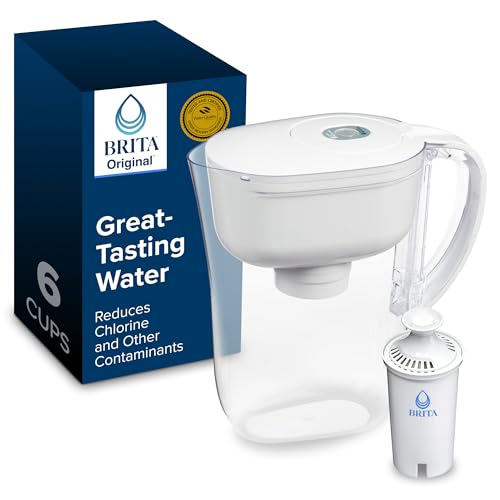
The Brita Metro is a classic for a reason. It is affordable, effective, and fits easily into most refrigerator doors. If you want to improve the taste of your tap water without any installation headaches, this is the standard choice.
The Metro is the compact 6-cup version, sized to fit a mini-fridge door or a small counter. It ships with Brita’s standard filter, which is WQA-certified to NSF/ANSI standards for reducing chlorine taste and odor and cutting copper, zinc, and mercury. It clears the chlorine smell that city water often carries. The standard filter is rated for about two months or 40 gallons; if you want longer intervals, Brita’s Longlast+ cartridges fit the larger pitchers instead.
The body is BPA-free plastic and handles the occasional knock against the counter.
What We Like
Taste Transformation
The combination of activated carbon and ion-exchange resin does a fantastic job of polishing water. Even if your tap water is safe, it might not taste good. The Brita noticeably reduces the chlorine taste, making the water more pleasant to drink.
Fits Where Bigger Pitchers Won’t
At roughly 6 cups, the Metro slips into a mini-fridge or a packed shelf where a full-size pitcher won’t go, which makes it a fit for dorms, offices, and small kitchens. The lid and filter are interchangeable with Brita’s wider standard-filter lineup, so replacements are easy to find.
What We Don't Like
Small Capacity
The Metro holds about 6 cups, which empties fast in a family kitchen, so you will refill it several times a day. A larger household is better served by the 10-cup pitcher instead. And because it is gravity-fed, you wait while each fill trickles through the filter.
Product Specs
| Type | Pitcher |
|---|---|
| Filter | Activated Carbon and Exchange Resin |
| Installation | None |
| Dimensions | 10.95 inches by 10.83 inches by 6.06 inches |
| Features | Rapid gravity filtering system, BPA-free, 6-cup capacity |
| Included | All components |
Platypus GravityWorks Filter
Best for Travellers
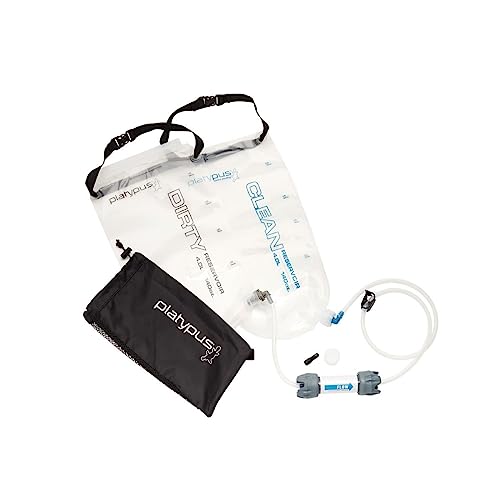
For campers and hikers, the Platypus GravityWorks takes the work out of treating water in the field. Instead of a pump you have to operate by hand, it uses gravity: you hang the “dirty” reservoir above the “clean” one, connect the hose, and let the water run down through the cartridge on its own.
It holds four liters of water and filters at a rapid speed of 1.75 liters per minute. This means you can have a full supply of cooking and drinking water for your campsite in under three minutes.
Its hollow-fiber cartridge filters to 0.2 microns, which Platypus rates for removing 99.9999% of bacteria and 99.9% of protozoa such as Giardia and Cryptosporidium. That covers the microbes found in most North American streams and lakes, though it does not remove viruses, so it is aimed at backcountry sources rather than sewage-contaminated water abroad.
What We Like
Speed and Ease
When you arrive at camp exhausted, the last thing you want to do is hand-pump water. The gravity system allows you to multitask while your water filters itself. It is fast, efficient, and requires zero manual effort once set up.
High Capacity
With a total capacity of 8 liters (4 dirty, 4 clean), this is perfect for groups. It is rare to find a portable filter that handles this volume so quickly. It packs down small, weighing significantly less than pump-style competitors with similar output.
What We Don't Like
Air Lock Issues
Occasionally, air bubbles can get trapped in the hose, stopping the flow. Backflushing the system usually fixes this, but it requires a bit of know-how in the field. Also, the bags are durable but not indestructible, so avoid dropping them on sharp rocks.
Product Specs
| Type | Portable |
|---|---|
| Filter | Hollow fiber |
| Installation | Basic setup; easy |
| Dimensions | 3.25 inches by 9.5 inches |
| Features | Meets NSF standard, 1.75 liters per minute filtration rate, 4-liter capacity. |
| Included | Storage bag, shutoff clamp, all components |
Aquacrest Refrigerator Water Filter
Best for Cold Water

OEM refrigerator filters often cost three to four times what a compatible cartridge does. Aquacrest makes a lower-cost replacement that fits a long list of fridges without the brand markup. Its coconut-shell carbon block is rated for about 200 gallons, or roughly six months of typical use.
The filter targets taste and odor, reducing chlorine and trapping suspended particles and sediment so the water and ice from the door come out clear and clean-tasting.
This cartridge replaces the Whirlpool 4396701/4396702, EveryDrop Filter 6, and Kenmore 9915, among others. Match your fridge’s original filter number against Aquacrest’s compatibility list before ordering, since the part that fits one brand will not fit another.
What We Like
Value for Money
You get comparable performance to OEM filters at a fraction of the cost. For a household that goes through a lot of water and ice, the savings add up quickly over a few years.
Improves Taste Instantly
The activated carbon block is highly effective at absorbing chlorine. If your ice cubes taste funny or your fridge water has a metallic tang, this filter noticeably reduces the chlorine taste.
What We Don't Like
Check Compatibility
“Compatible” is not the same as “fits everything.” This cartridge is built for Whirlpool, EveryDrop Filter 6, and Kenmore systems; Samsung, LG, and GE fridges use a different cartridge shape and need a different part number. Check your filter’s model number against the compatibility list first. As an aftermarket part, it also is not covered by your refrigerator’s warranty.
Product Specs
| Type | Fridge filter |
|---|---|
| Filter | Coconut and carbon |
| Installation | Required; easy |
| Dimensions | 1.4 inches by 1.4 inches by 9.4 inches |
| Features | Reduces chlorine, taste, odor and sediment; ~200-gallon life |
| Included | All components |
Engdenton Stainless Steel Water Filter
Best for Faucets
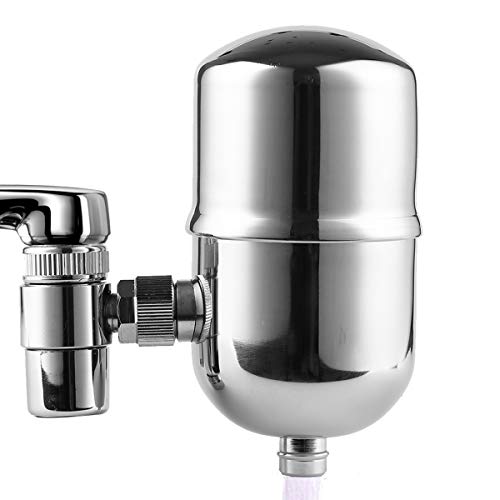
Most faucet filters are bulky, white plastic blobs that look out of place in a modern kitchen. The Engdenton filter stands out with its sleek, stainless steel housing that matches high-end appliances.
Beyond looks, it performs well using Activated Carbon Fiber (ACF) technology. This allows for a faster water flow compared to traditional carbon blocks while still removing chlorine, dirt, and organic chemicals.
It rotates 360 degrees, giving you full access to your sink, and delivers a respectable 0.5 gallons per minute flow rate.
What We Like
Stainless-Steel Housing
The stainless-steel shell is more than a styling choice. Unlike the thin plastic housings on most faucet filters, which can crack or split at the threads over time, the metal body stands up to knocks and pressure swings at a busy kitchen sink.
High Flow Rate
One of the biggest complaints about faucet filters is the trickle of water. Engdenton’s design allows for a brisk flow, so filling a pot for pasta doesn’t feel like an eternity.
What We Don't Like
Connector Issues
While it comes with multiple adapters, it doesn’t fit every faucet type, specifically pull-down sprayers or square faucets. You need a standard faucet with a removable aerator. Be sure to use the plumbers tape provided to ensure a watertight seal.
Product Specs
| Type | Faucet filter |
|---|---|
| Filter | Activated carbon |
| Installation | Required; easy |
| Dimensions | Fits: 21.5mm outside threaded faucets; 23.5mm inner threaded faucets; 15-21mm unthreaded faucets. |
| Features | Stainless-steel housing, food-grade ACF media, 0.5 GPM flow rate |
| Included | All components |
Express Water Whole House Heavy Metal Water Filter
Most Comprehensive

The Express Water Heavy Metal system treats water at the point of entry, so every tap, shower, and appliance in the house gets filtered water instead of just the kitchen sink. The three-stage design is built to pull sediment, heavy metals, and chemicals out before they reach your plumbing.
Stage one is a sediment filter for dirt and rust; stage two is KDF media that targets heavy metals such as lead and mercury; stage three is a carbon block for chlorine and VOCs. The first-stage housing is clear, so you can see sediment building up, and the built-in pressure gauges tell you when flow has dropped enough to warrant a filter change instead of guessing on a calendar.
What We Like
Total Home Protection
This system doesn’t just improve drinking water; it protects your appliances. By removing sediment and chemicals, your dishwasher, washing machine, and water heater will last longer and run more efficiently. Showers feel cleaner, and your skin is exposed to fewer harsh chemicals.
Solid Build Quality
Express Water uses NSF-certified components and a stainless steel frame. The quality is palpable compared to cheaper plastic housings. You don’t have to worry about leaching chemicals or flimsy connectors failing under pressure (3).
What We Don't Like
Installation Complexity
This is not a simple screw-on job. It requires cutting into your main water line. Unless you are comfortable with pipe cutters and soldering (or PEX connections), you will need to hire a professional plumber. Also, KDF filters can slightly reduce water pressure if your incoming pressure is already low.
Product Specs
| Type | Whole House |
|---|---|
| Filter | 3-Stage: sediment, KDF, carbon |
| Installation | Required; difficult; professional installation recommended |
| Dimensions | 23.5 inches by 8.5 inches by 30 inches |
| Features | Filters sediment, heavy metals (lead, mercury), chlorine and VOCs; clear first-stage housing, pressure gauges |
| Included | All components, stainless steel frame |
APEC Countertop System
Best Water Conditioner
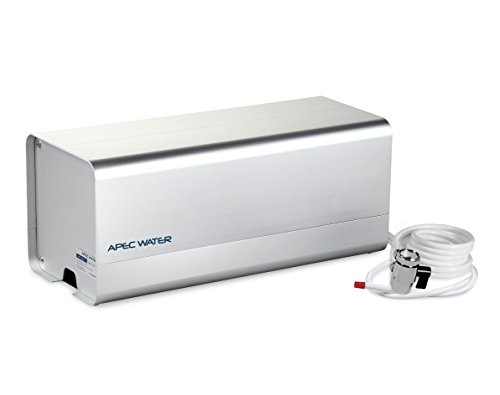
Reverse osmosis usually means a permanent under-sink install, which rules it out for renters. The APEC RO-CTOP-C delivers the same 4-stage RO treatment in a countertop unit that needs no drilling and no plumbing changes.
It connects to most standard faucets through an aerator adapter. RO forces water through a semi-permeable membrane that removes dissolved solids most pitchers and carbon filters leave behind, including lead, arsenic, and fluoride. NSF/ANSI 58, the standard for RO systems, requires at least a 75% reduction in total dissolved solids (4), and a well-maintained RO unit clears far more than that.
The unit sits next to the sink and unhooks in seconds when you need the full faucet for dishes.
What We Like
Superior Purification
Few countertop or portable units remove fluoride and arsenic; most pitchers and faucet mounts leave both behind because they rely on carbon, not a membrane. If you want RO-grade purity but cannot drill into the plumbing, this gets you most of the way there in a unit you can pack up and take when you move.
Softens Water
Reverse osmosis naturally softens water by removing dissolved minerals. If you have hard water that ruins your tea or coffee, this filter will provide a clean, neutral base for better-tasting beverages.
What We Don't Like
Slow Flow Rate
Reverse osmosis is slow. The membrane meters water through drop by drop, so you cannot just open the tap for an instant glass; it works best if you fill a pitcher or bottle ahead of time. RO also sends some water down the drain as concentrate, typically a few gallons of waste per gallon produced, which matters if you are on a well or paying for metered water. And because it strips minerals, the output tastes flat to some palates.
Product Specs
| Type | Countertop |
|---|---|
| Filter | Reverse Osmosis |
| Installation | Required; easy |
| Dimensions | 11.5 inches by 6.5 inches by 6.5 inches |
| Features | Filters lead and fluoride, softens water |
| Included | All components, protective case |
| Product | Best | Type | Filter | Installation | Dimensions |
|---|---|---|---|---|---|
| CuZn UC-200 Under Counter | Handiest Water Filter | Under the Sink | 3-Stage: Micro Sediment Membrane, KDF filter, coconut shell carbon filter | Necessary; easy. | 4.5″ x 4.5″ x 15″ |
| Brita Water Filter Pitcher | Easiest to Use | Pitcher | Activated Carbon & Exchange Resin | None | 10.95″L x 10.83″W x 6.06″ |
| Platypus GravityWorks Filter | For Travellers | Portable | Hollow fiber | Basic setup; easy | 3.25″ x 9.5″ |
| Aquacrest Refrigerator | For Cold Water | Fridge filter | Coconut and carbon | Required; easy | 1.4″ x 1.4″ x 9.4″ |
| Engdenton Stainless Steel | For Faucets | Faucet filter | Activated carbon | Required; easy | Fits: 21.5mm outside threaded faucets; 23.5mm inner threaded faucets; 15-21mm unthreaded faucets. |
| Express Water Whole House Filter | Comprehensive | Whole House | 3-Stage: sediment, KDF, carbon | Required; difficult; professional installation recommended | 23.5″ x 8.5″ x 30″ |
| APEC Countertop System | Water Conditioner | Countertop | Reverse Osmosis | Required; easy | 11.5″ x 6.5″ x 6.5″ |
Tips for Buying the Best Water Filter
Don’t just look at the price tag. Here are three critical factors to check before adding a filter to your cart.
- Check the filter media: Not all filters do the same job. Activated carbon is great for taste and chlorine (5), but if you have heavy metals or viruses, you need KDF or Reverse Osmosis. Match the filter to your specific water problems.
- Calculate long-term costs: A cheap pitcher might cost you more in the long run if the filters need changing every month. Check the lifespan of replacement cartridges and their price. Sometimes a more expensive system is cheaper over 5 years because the filters are cleanable or last longer.
- Measure your space: Under-sink systems can be bulky. Measure your cabinet space to ensure the tank and filters fit around your garbage disposal and pipes. For counter models, ensure you have enough clearance near the faucet.
Which Brand Should You Buy?
Brand recognition is helpful, but it isn’t everything. While big names like Brita dominate the shelves, specialized brands often offer better filtration technology. Here is a quick look at the brands we trust.