Unblocking a toilet can be done in several ways. You don’t need to resort to a plunger. You can use alternative methods to get the same results, and some of them might surprise you.
Knowing how to unblock a toilet without a plunger is one of life’s skills that will get you out of a hole time and again.
Key Takeaways
- Don’t flush repeatedly when dealing with a blocked toilet, as it could flood the bathroom floor. Stop the water flow and turn off the water at the isolation tap before attempting to clear the blockage.
- Hot water can help dislodge blockages. Fill a bucket with hot water and pour it down the toilet from waist height to increase the force of the water, pushing the blockage down the drain.
- Other methods to unclog a toilet without a plunger include using dish soap, Epsom salt, baking soda and vinegar, a wire hanger, a plastic bottle, a toilet brush, or a squirt gun toilet drainer.
- Bleach can also help unclog a toilet, as it dissolves solid matter, paper, and hair. Pour 2 or 3 capfuls into the toilet bowl and let it work for a few hours or overnight to dissolve the blockage.
What Should I Not Do?
If you suspect your toilet is blocked, don’t keep flushing to try and clear the problem. All you will do is keep filling the bowl with dirty water, eventually flooding the bathroom. Sorting out a clogged toilet is a lot easier than fixing a flooded floor.
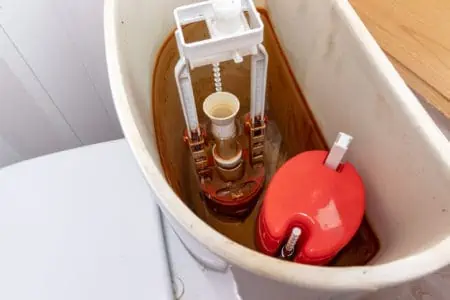
If you can see that water level rising close to the rim, lift the water tank lid and push down on the rubber flapper to stop the water flow. Next, turn off the water at the isolation tap attached to the pipe. Wait for the water to recede before attempting to clear the blockage.
Ways To Unclog a Toilet Without a Plunger
The toilet is blocked and you can’t find the plunger, so what do you do? Here are 8 fail-safe ways to get great results.
Hot Water
Hot water is a great alternative to a plunger. Fill a bucket with hot but not boiling water, and pour it down the sink from waist height. The force of the water, along with the heat, might dislodge whatever is blocking it.
This is effective against solid balls of toilet paper.
Top Tip
Never use boiling water as it might crack the porcelain, which could leave you with a large repair bill.
Dish Soap
Grab the dish soap and use it as a lubricant to free any clogs. Hopefully, it will grease the porcelain and allow the blockage to move. Pour half a cup down the toilet. If you don’t have any dish soap, a bar of hand soap will work just as well.
Chop it into small chunks and toss them into the toilet bowl. As they dissolve, they help to free the mass in the pipe.
Top Tip
If you combine the hot water with the soap method, the two could work in tandem. Added lubricant and water velocity could glean positive results.
Epsom Salt
Epsom salt is a wonder cure. Drop a small handful into the toilet and wait about 15 minutes as the chemical reaction starts. It will fizz and bubble. Which means it is working to dissolve the blockage.
Top Tip
To give the blockage a final push, after the 15 minutes have elapsed, grab a bucket of hot water and pour it in from waist height. The force of the water gives the added shove it needs.
Baking Soda
Pour one cup of baking soda and two cups of vinegar into the toilet bowl and let it react for 30 minutes. As it fizzes, you get a similar chemical reaction to Epsom salt. The baking soda and vinegar combine to eat away at the blockage.
Again, the bucket of water trick works to give the baking soda and vinegar a hand through water force.
Wire Hanger
Most people have an old wire coat hanger in the closet they no longer need. This is a great tip if you have a more stubborn blockage that you think won’t shift by water or baking soda.
Unravel the coat hanger and straighten it out. Poke the end down the toilet drain, jabbing at the blockage until you break it up enough that it starts to move.
You can use this method in conjunction with other ways of clearing the blockage. Baking soda and vinegar might help loosen the clog, and the wire hanger gives it the shove it needs to move down the drain.
Plastic Bottle
This method could get messy. Remove as much water from the bowl as possible by using a small container and draining it into a bucket. Grab an empty plastic bottle. You can use water bottles or soda bottles.
Fill it with warm water. Place your thumb over the open spout of the bottle and turn it upside down, placing it over the stuck mass. Release your thumb and squeeze the bottle. This creates added pressure, which increases the water velocity.
The extra force might shift the blockage.
Remember
Wear rubber gloves for this one because you will make contact with the waste matter blocking the toilet.
A Toilet Brush
This method is probably one of the more obvious ways of unblocking your toilet. It is also one of the messiest. You might want to don rubber gloves and old clothes because it creates splashes.
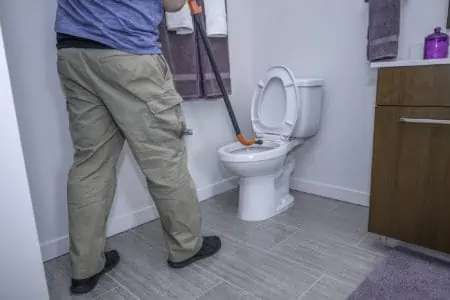
Push the toilet brush into the toilet bowl, gripping the handle firmly. Work the brush back and forth, pressing down on the blockage. You should see parts of the mass start to break away. Eventually, you will feel the blockage move and slide down the drain.
If it doesn’t work, try using one of the techniques above before giving up and calling a plumber.
Squirt Gun Toilet Drainer
A squirt gun is an excellent alternative to a traditional plunger. It works by sucking up all the water to empty the toilet bowl, making it a lot easier than using a container or a sponge.
It also means you don’t have to get your hands dirty by immersing them in the water. Once you’ve drained the water, you can use the plastic bottle technique or poke at it with the wire brush.
Will a Toilet Eventually Unclog Itself?
It depends on what is causing the blockage, but assuming it consists of solid waste and toilet paper, it will break down in the water eventually and unblock itself. It could take anything from 30 minutes to an hour, but after the time elapses, flush the toilet, and the force of the water should shift it.
Will Bleach Unclog a Toilet?
Bleach is an excellent technique for unclogging a stuck toilet. It dissolves solid matter, paper, and even hair because it contains chlorine. Pour 2 or 3 capfuls into the toilet bowl and allow it to work its magic.
It will sink towards the blockage and start to dissolve the matter. It may take a few hours, so if you do it before going to bed, when you wake, the toilet should have cleared itself.
Which Method Is Best?
The takeaway from this is you should try all the techniques above, either exclusively or as a joint attack on the blockage. Maybe one method won’t work in isolation, but when you combine a couple for the best effect, you succeed in clearing the jam.