If your toilet whistles like a tea kettle after flushing, it could indicate a more significant problem. If you ignore it, it could increase costs further down the line.
So, if your toilet whistles when flushed and you want to know why, you’ve come to the right place. We’ll share why it happens and how to fix a whistling toilet when flushed.
Key Takeaways
- A whistling toilet is often caused by a faulty fill valve, a worn gasket, or limescale build-up.
- Fixing a whistling toilet involves checking the water supply valve, examining the fill valve, and possibly replacing it.
- Whistling toilets are not dangerous, but can lead to more significant problems if left unaddressed.
- Replacing a fill valve can cost as little as $30 if you do it yourself, but professional help can cost up to $160.
Why Does My Toilet Whistle?
Toilets last for years and rarely malfunction, but when your toilet squeals or screams every time you flush, you must investigate the cause. Mind you; you’re in good company. While George Harrison’s guitar gently wept, your toilet gently whistles.
Here’s a list of the usual suspects:
Faulty Fill Valve
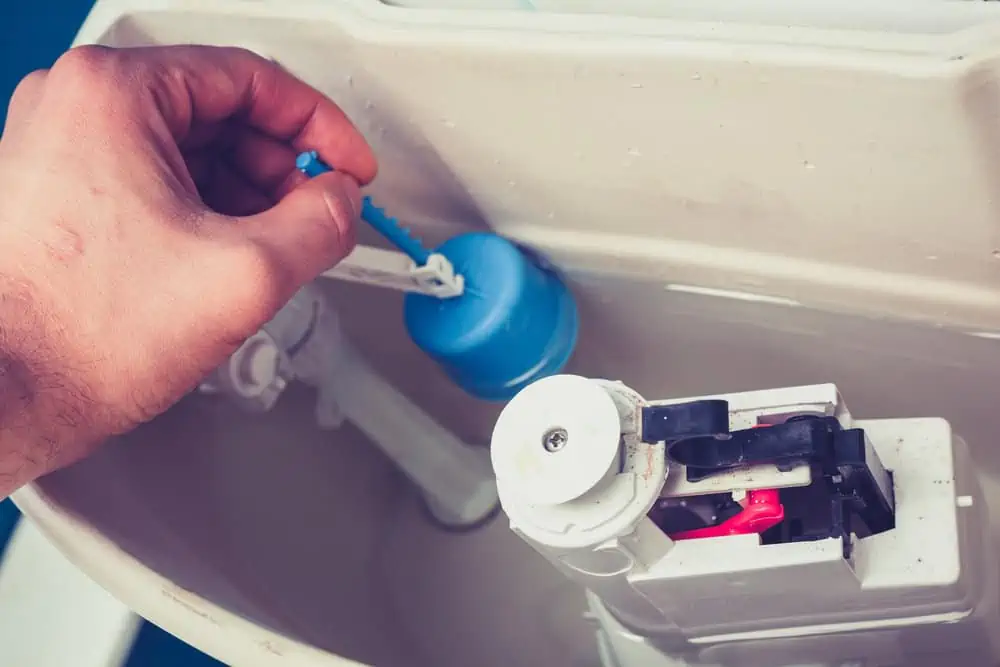
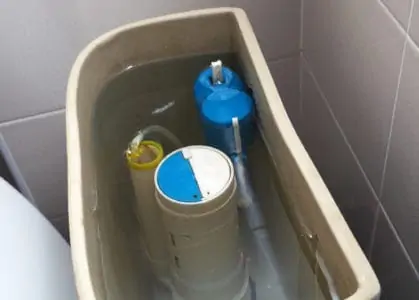
Your fill valve rises and falls with the water levels, so it regulates the water in the tank when you flush. It lowers to open the fill valve, and as the water rises, so does the valve. The reverse happens when it shuts the water off.
The most common fill valve type is a ballcock attached to a lever arm. As the water gushes in, it vibrates, causing a high-pitched noise.
Faulty Gasket
Fill valve gaskets are typically made of rubber, and over time they perish. Mineral deposits from hard water areas coat the surface and cause it to become brittle. When that happens, the gasket fails, causing high-pitched squeals when the tank fills up.
Limescale Build-Up
Mineral deposits create a hard residue on the inside of your pipes. As time passes, it narrows the channels, which increases water pressure. When that happens, the toilet starts making a whistling sound.
Is a Whistling Toilet Dangerous?
Your whistling toilet is not dangerous, just annoying. However, that doesn’t mean it won’t lead to more significant problems if left unchecked. Your fill valve could fail completely, causing your toilet to run continuously.
If you care about saving water, helping the planet, and reducing your water bills, fix the problem.
How to Fix a Whistling Toilet
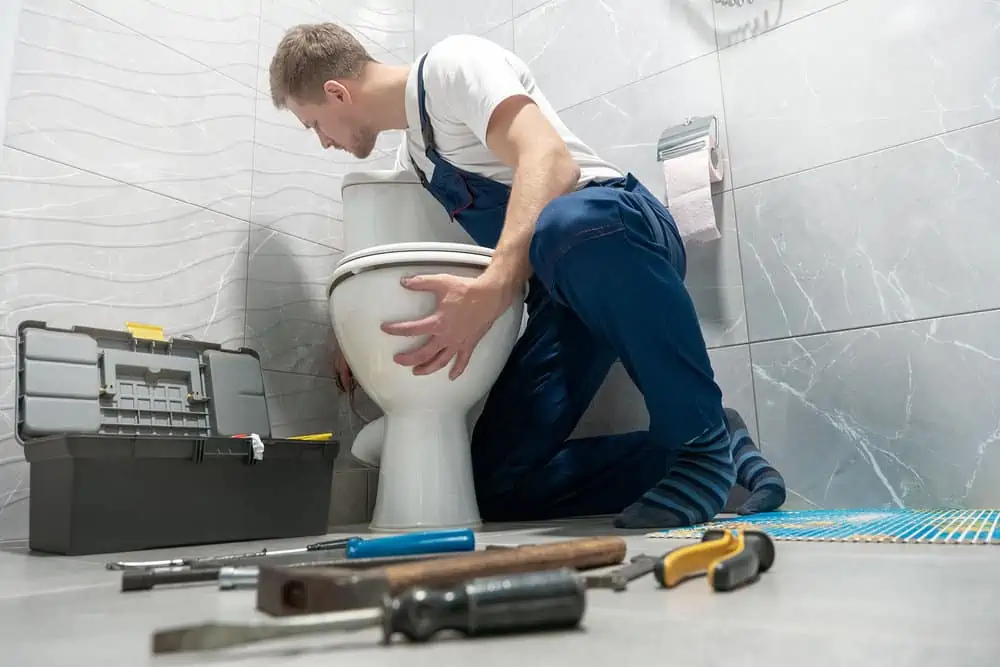
So, the time has come to fix that whistling toilet. The dog will thank you because every time you flush, it thinks you’re whistling to it for a walk. Before you get stuck in, you’ll need to gather the right tools.
What You’ll Need
- New toilet fill valve.
- New gasket.
- Adjustable wrench.
- Screwdriver.
- White vinegar.
1. Check the Water Supply Valve
One of the first things to check is the water supply valve. If there’s a problem with the water supply, the toilet might start whistling.
The valve is located behind the toilet and operates via a knob. Sometimes it gets knocked when you perform a deep clean of the toilet. You may also have isolated the supply as part of previous maintenance.
Open the valve by turning the knob counterclockwise.
2. Examine the Fill Valve
Once you’ve checked the water supply valve and eliminated it from your search, check the fill valve. It is likely to be the culprit, especially if you have an old ballcock valve.
As the water rushes into the tank, the metal arm vibrates and makes a whistling sound. Check for mineral deposits hindering the water flow and wipe the ballcock and arm with a clean rag to remove chalky residue.
Mix the white vinegar with water and apply it liberally to the valve. Let it sit for a few minutes, then wipe it clean with the rag. Most of the residue should lift off.
3. Replace the Fill Valve
Once you’ve wiped the fill valve clean and the problem still exists, it’s time to replace the entire assembly.
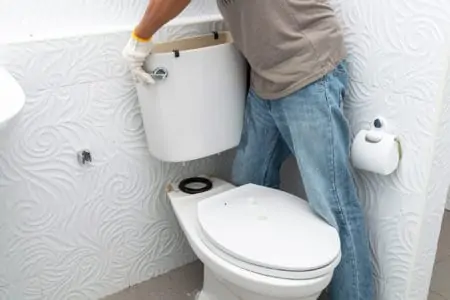
- Isolate the water supply and flush the toilet several times to empty the tank.
- Remove the tank’s lid to expose the inner components. The fill valve is located on the left at the rear of the tank.
- Disconnect the water fill tube from the valve. You may need the adjustable wrench if the threads are stuck.
- Using the adjustable wrench, unscrew the valve from the tank’s base.
- Install the new valve and tighten the locking nut at the base.
- Reconnect the water fill pipe with the wrench.
- Switch on the water at the isolation valve and wait while the tank refills.
- Flush the toilet and watch as the tank refills. You may need to use the screwdriver to adjust the height of the valve float.
- Replace the lid.
Top Tip
Use Teflon tape to seal the threads to prevent leaks. You can also use a plumber’s putty.
Why Does My Toilet Whistle When Not in Use
Sometimes your toilet whistles when you flush, but what about when it whistles when sitting idle?
The reasons for a whistling toilet when not in use are similar to the causes when flushing. You could have a malfunctioning fill valve that fails to shut off the water, causing the toilet to vibrate.
Vibration creates that squealing sound that can be so off-putting, especially at night. You should also check the water isolation valve to check that it is fully open. When you restrict water flow, it increases pressure and creates that whistling kettle sound.
How Difficult Is It to Fix a Whistling Toilet?
Fixing a whistling toilet is straightforward enough. It is easier and cheaper to replace the entire fill valve rather than trying to disassemble it. You only need a few basic tools and a bit of common sense.
You can order the spare parts online or at your local hardware store. However, if you lack the necessary skills or inclination to complete the work yourself, you should call in the pros. Also, if you’ve investigated the causes of the screaming sound, and drawn a blank, call a plumber.
FAQs

How Much Does a Fill Valve Cost?
A fill valve can cost as little as $30 if you fit it yourself. Calling in the pros could inflate the price considerably, costing up to $160.

How Often Should You Replace Toilet Fill Valves?
You should replace your fill valve every six years, although wear and tear is worse in hard water areas. Mineral deposits are the main culprit of a failing fill valve.

Can a Toilet Fill Valve be Repaired?
Ballcock varieties are easier to repair than the canister versions because the working components are more accessible.
Give a Little Whistle
So, now you know why your toilet whistles and how to fix it; what are you waiting for? Your newfound skills will have you in high demand, especially when someone you know asks, “why is my toilet whistling?”
You can whip out your toolkit, fix the problem in super-quick time, and save your friends and family a small fortune.