Is “why is my toilet bubbling” the question of the day in your household? You’re probably not alone in having a toilet that won’t flush. But there are several reasons it could be happening.
It could be anything from water backing up to low water levels or even frozen pipes caused by winter temperatures. Is your toilet making noises after flushing, or won’t it flush at all?
Let’s break down the main reasons for toilet gurgling and see what could be causing the issue.
Key Takeaways
- Clogged Toilet: A blockage in the toilet bowl might cause bubbling when flushing. Use a plunger, garden hose, or toilet auger to clear the clog.
- Blocked Vent Stack: The vent stack controls air pressure inside the plumbing. If blocked, it can lead to toilet bubbling. Check for obstructions and use a drain snake if needed.
- Calcified Water Tank: Hard water sediments can create deposits in the toilet bowl or tank, causing gurgling. Clean the buildup in your tank with a scrub brush and vinegar.
- Clogged Drain or Main Line: A blockage in the drain or mainline might cause toilet gurgling. Use a plumbing auger to remove the blockage or call a professional plumber for help.
Why is My Toilet Bubbling?
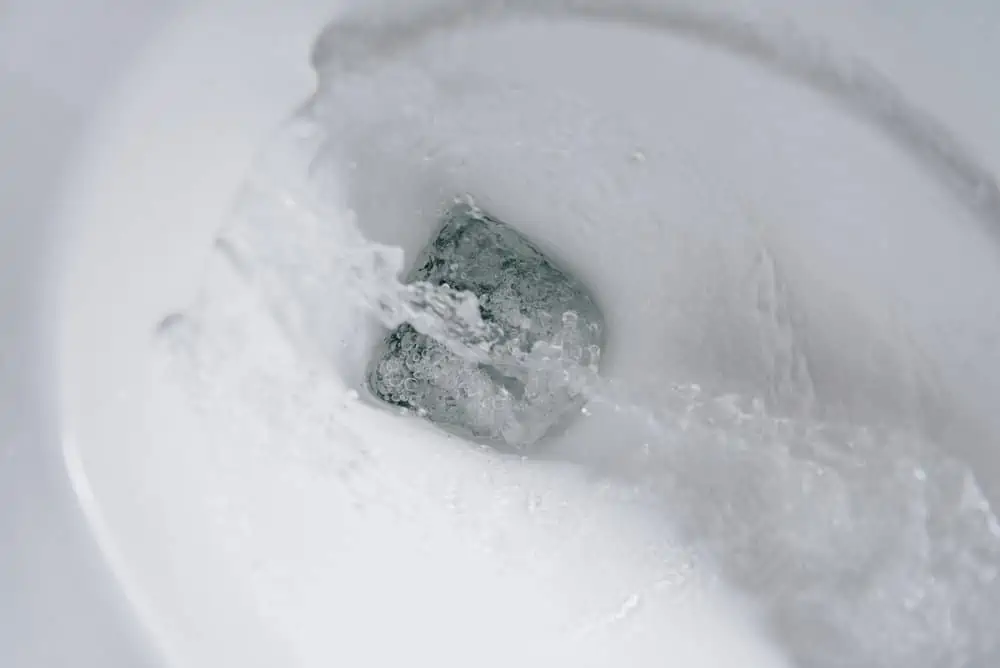
Let’s look at the problems that could lead to nasty noises and smells coming from your toilet and their potential fixes. Then you won’t have to ask yourself, why does my toilet gurgle?
From a broken septic tank to leaves stuck in the vent stack, there are plenty of reasons for air bubbles coming out of your toilet.
Clogged Toilet
If your toilet is not flushing or bubbling when flushing, a blockage in the bowl might be the problem and the easiest one to look into.
If the water in the toilet bowl sits above the normal level, this could cause the toilet to gurgle.
How to Fix It
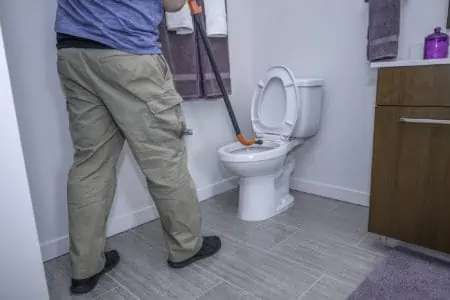
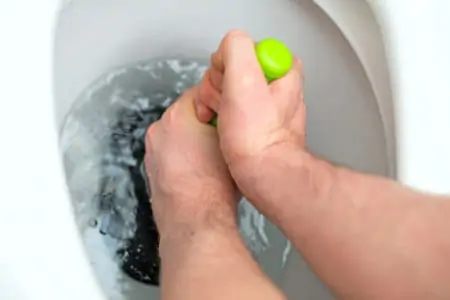
Keep an eye out for anything floating or lodged in the toilet to clear this type of clog. Use a plunger to clear a blockage in the toilet if it’s deeper down. Make sure the drain hole is entirely covered by the plunger and give it a few plunges to check if the obstruction becomes dislodged.
Using a garden hose to flush a blockage out of a toilet is sometimes all that is needed. Simply feed the hose as far into the toilet as it will go. Turn on the water and force the clog down.
A toilet auger, also known as a toilet snake, might be a better approach to this problem. If you don’t have a special toilet snake and don’t want to buy/rent one, you can call in a professional plumber to handle the issue.
Blocked Vent Stack
Have you noticed a pipe that goes from your drainage system up to the roof? That would be the vent stack.
It helps eliminate sewer gas from your toilet, so it can control the air pressure inside the plumbing. If this is blocked, it could lead to the toilet bubbling. This could be due to several causes, especially debris and bird nests.
How to Fix It
Safely get on the roof to find the source of the obstruction and fix it. You may be able to unblock it on your own if it’s visible and accessible.
Drain snakes are needed to remove anything lower down. You might need professional help to deal with this issue.
Calcified Water Tank
Another potential cause for a toilet that burps is sediment build-up. Hard water is typically rich in minerals such as magnesium, calcium, or iron. In time, these sediments have the potential to create deposits in the toilet bowl or tank.
When hard water scales create sediment build-up at the tank’s entry point, water will likely start to gurgle.
How to Fix It
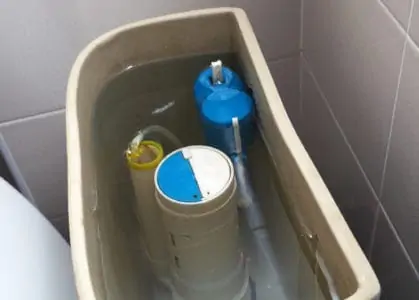
If you open your toilet tank and notice a red-orange fur-like deposit on the inside, replace the water inlet lines inside the tank.
Grab a scrub brush and clean the build-up in your tank. If possible, use vinegar to clean up.
Clogged Drain or Main Line
If you hear your toilet gurgling when the shower is running, it could be something blocking one of the two. Your toilet might also gurgle due to a clogged drain when the washer drains.
When a drain line is blocked, the problems it causes will be limited to a specific section of your property. It is possible that if you have a blockage issue on one of your home’s levels, the other one might not be affected. On the other hand, blockages in the mainline will affect your entire home.
However, blockages further down the drain or mainline may pose a more serious issue. This is because standard home-use tools will not be able to remove them. You may observe water backing up into the shower, which is when the help of an expert is required.
How to Fix It
If the blockage is close enough, a plumbing auger can be used to remove it. You might first have to locate the cleanout (access to sewer and pipes) for clogs located deep in the sewer line. These could be in the crawlspace or basement.
If you’re not comfortable doing so, call a professional. Plumbers send a camera down the pipe to determine if the obstruction is in the mainline or deeper. To fix the issue, the toilet may have to be removed.
Clogged Municipal Sewer Line
When none of these solutions work, you could be dealing with a clogged municipal sewer line. Your main sewer line empties into a municipal sewer pipe and transports all of that wastewater to a treatment facility.
How to Fix It
Contact neighbors to check if they have a similar problem and if that’s the case, you need to contact the local authority.
When to Call in a Plumber
If you’ve done everything you can to find the problem and the bubbling prevails, it’s time to call a plumber.
Keep In Mind
If you don’t have the time, the expertise, or the equipment to handle a certain plumbing issue, it’s best to call in a professional.
Plumbers can climb up the roof and check the vents with ease, they have a powerful toilet auger for unclogging, and they can determine whether it’s a main sewer line blockage.
FAQs

Can a Gurgling Toilet Fix Itself?
It’s possible, but the chances are very slim. That’s because not all the potential causes of a bubbling toilet are self-fixable.
For instance, if you have a toilet clogged with water-soluble items (like human waste or toilet paper), these clogs might decompose quickly. But if that’s not the case, you’ll need another solution.

Will Drano Unclog Sewer Line?
Drano should never be used to unclog the sewer line because one of its ingredients is sodium hydroxide. This ingredient is known for generating heat that could lead to pipe damage.

Does Vinegar Unclog Pipes?
Vinegar is a natural ingredient that’s sometimes efficient in unclogging pipes, but it depends on what type of clog you’re dealing with. In some cases, you’re going to need stronger products.
The Verdict
Let ‘bubble, bubble, toil and trouble’ be something that remains in children’s storybooks. Toilet bubbling can sometimes have a quick fix, but it could also signify a more serious plumbing issue. If unclogging the toilet, vent, and drain doesn’t solve the issue, it could be time to call in a professional.