Our Top Picks

- Made for porch & patio floors
- Resists scuffs, fading & peeling
- Covers up to 400 sq. ft.
- No separate primer needed
- Cool Surface Technology
- Smooth satin finish

- Low-VOC, low-odor formula
- High-hide coverage
- Scuff & weather resistant

- Can be sprayed, brushed, & rolled on
- Dries in just 4 hours
- Low VOC and odor
- Complies with ADA guidelines
- Works on concrete, asphalt, wood, & other surfaces
- UV and moisture-resistant
Our Review Criteria: A porch paint survives or fails on adhesion, so we ranked each formula first on how it bonds to wood and concrete, then on its resistance to UV fading and moisture. Slip resistance underfoot carried heavy weight for high-traffic entries, judged against ADA slip-resistance guidance, and low-VOC formulation mattered for enclosed porches. We also compared realistic coverage per gallon and how forgiving each paint is to apply, cross-checking the manufacturer’s specifications against independent user feedback throughout. We confirm each pick is currently available and replace any product that has been discontinued.
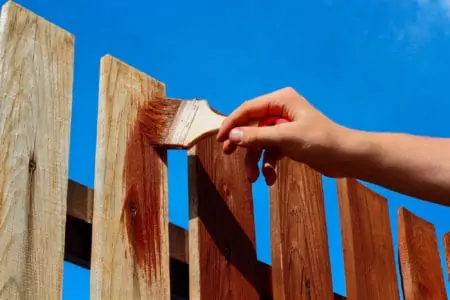
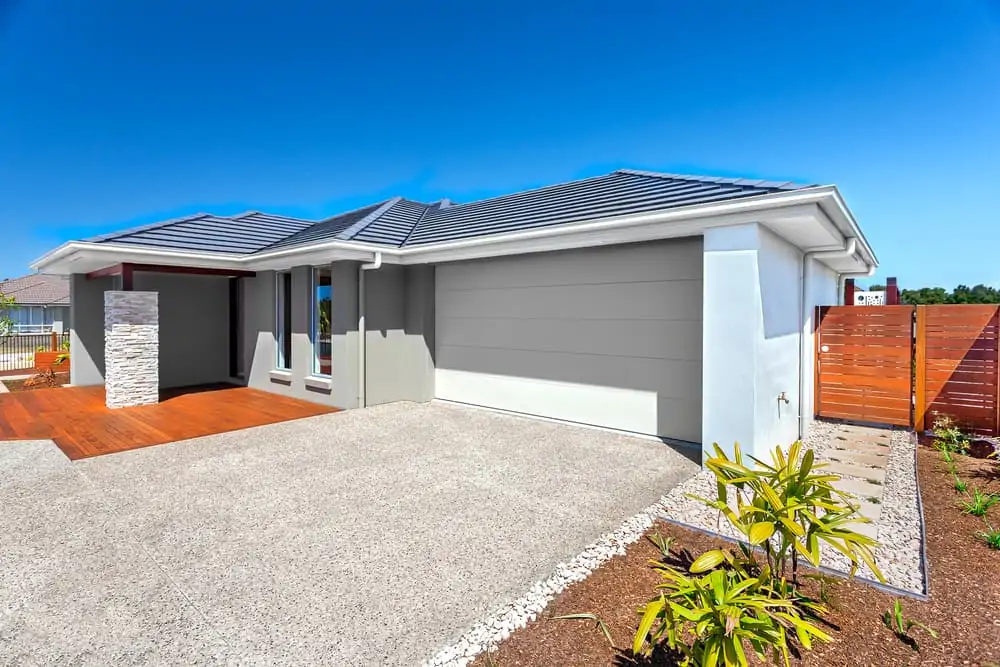
Your porch is the first thing guests see and the last thing you touch on your way out, so it earns its keep. It also takes a beating: UV rays bleach it, rain and snow soak it, and constant foot traffic grinds it down. Keeping it looking sharp and structurally sound starts with the best outdoor paint for porches, a formula tough enough to shrug off peeling, fading, and scuffing.
We compared the top 5 exterior porch paints available now, ranking them by durability, ease of use, and finish quality so you can stop the weathering for good.
Porch Paint vs. Interior Paint
There is a real gap between the paint you brush on a bedroom wall and the stuff you need outside. Interior paint is built for looks and light wear; it covers evenly and looks good, but it is not made for the weather.
Exterior paint is a shield. It uses flexible resins that expand and contract with temperature swings to resist cracking, plus additives that fight mold, mildew, and UV damage. Use interior paint outdoors and it will chalk, fade, and peel within months.
Your porch paint is the only thing standing between your wood or concrete and the elements. Whether you choose water-based or oil-based, the formula has to penetrate the surface or bond hard enough to stop moisture from rotting the material underneath.
How To Choose the Best Outdoor Paint for Porches
The best porch paint comes down to four factors: surface type, adhesion strength, slip resistance, and VOC level. Here is a breakdown of how each one plays out.
Product Reviews
We compared coverage, durability, slip resistance, and finish quality to land on the picks below. Here are our top 5 outdoor porch paints, one for every common surface and situation.
KILZ Porch and Patio Latex Floor Paint
Best Overall Paint for Porches

For most projects, KILZ Porch and Patio Latex Floor Paint is the pick that handles the widest range of situations. It is a 100% acrylic latex enamel built specifically for horizontal, walked-on surfaces, so it belongs on porch decks, steps, and patios rather than siding or trim. On a smooth, sealed surface a gallon stretches to roughly 300 to 400 square feet; on bare or rough concrete, plan for closer to 200 to 300.
The low-lustre sheen is the smart choice here because it hides scuffs and foot marks that a gloss would spotlight. It dries to the touch in about an hour and recoats in four to six. The detail owners miss is cure time: keep foot traffic off it for 72 hours and wait about four weeks before washing it. Rush that window and you invite the early wear that a minority of reviewers report in high-use spots.
Pros
- Purpose-built: Formulated for porch, deck, and patio floors.
- Scuff resistant: Low-lustre enamel hides foot-traffic marks.
- Broad coverage: Up to 400 square feet per gallon on smooth surfaces.
- Trusted formula: 100% acrylic latex resists fading, cracking, and peeling.
Cons
- Long cure: Needs 72 hours before foot traffic and about four weeks before washing.
- Wears if rushed: Early traffic can rub thin spots in high-use areas.
Product Specs
| Quantity | 1-gallon |
|---|---|
| Coverage | 200 to 400 square feet |
| Drying time | 4 to 6 hours (recoat) |
| Type | Water-based (acrylic latex) |
| Price | $$ |
Glidden Porch and Floor Paint with Cool Surface Technology
Best Self-Priming Paint for Porches
If sanding and priming are the parts of a repaint you dread, Glidden Porch and Floor is built to save a step. It bonds to a clean, sound surface without a separate primer coat, which cuts real time on a large porch. This is a water-based satin paint for wood, concrete, and metal floors, and its signature feature is Cool Surface Technology, a formulation Glidden says keeps the painted surface up to 20% cooler than a similar color without it. On a south-facing porch or a barefoot pool deck, that is a genuine comfort difference. For scale, EPA cool-pavement research found that conventional paving can reach up to 152 degrees Fahrenheit at midday, while reflective cool pavements stayed 10 to 16 degrees cooler (2).
It lays down a smooth satin sheen and recoats in about four hours. The honest catch is film build: the paint runs on the thin side, so most porches need two full coats for even color and the durability the label promises, and it can take longer than expected to fully harden in humid weather.
Pros
- Skips priming: Bonds to clean floors without a separate primer.
- Cooler underfoot: Cool Surface Technology cuts surface heat up to 20%.
- Fast recoat: Ready for a second coat in about four hours.
- Multi-surface: Works on wood, concrete, and metal.
Cons
- Thin coats: Usually needs two coats for even coverage.
- Slow to harden: Full cure takes patience in humid weather.
Product Specs
| Quantity | 1-gallon |
|---|---|
| Coverage | Not stated |
| Drying time | 4 hours (recoat) |
| Type | Water-based (satin) |
| Price | $$ |
EVOLVE Porch and Floor Paint
Best Water-Based Paint for Porches

EVOLVE Porch and Floor leans into the low-impact angle without giving up toughness. It is a water-based acrylic floor coating made in the USA with low VOCs, so the fumes are mild enough for an enclosed porch or a mudroom, and cleanup is just soap and water. The finish is built for high-traffic floors: it resists scuffs, scratches, and the rain, humidity, and UV that make outdoor paint crack and fade.
A high-hide formula helps it cover surface flaws in fewer coats, and it dries to the touch in about an hour. It sits at the value end of the shelf, and that shows up two ways: it needs a longer cure in humid weather than a premium floor enamel, and its ready-mixed color range is narrower than a paint you can custom-tint. Test a patch first if color is critical.
Pros
- Low VOC: Mild odor, safe for enclosed porches, soap-and-water cleanup.
- High-hide coverage: Masks surface flaws in fewer coats.
- Weather resistant: Stands up to rain, humidity, and UV.
- Made in the USA: Sustainable, low-waste production.
Cons
- Slow humid cure: Needs extra cure time in damp weather.
- Limited colors: Fewer ready-mixed shades than tintable rivals.
Product Specs
| Quantity | 1-gallon |
|---|---|
| Coverage | Not stated |
| Drying time | 1 hour (to touch) |
| Type | Water-based (acrylic) |
| Price | $$ |
KILZ Interior/Exterior Basement and Masonry Paint
Best Outdoor Paint for Concrete Porches
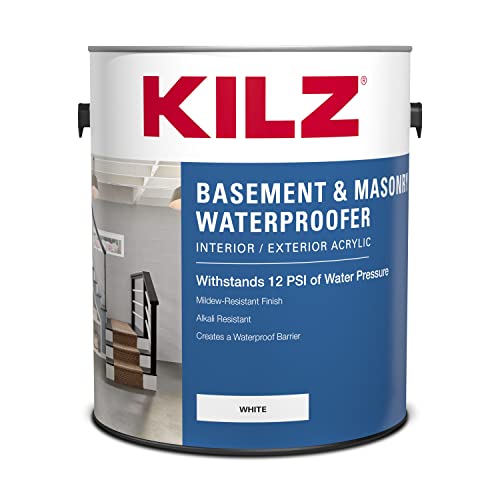
Concrete porches have needs a wood-floor paint cannot meet, and this KILZ formula is built for them. It seals porous surfaces like brick, stucco, and concrete, and its standout is waterproofing: the film forms a barrier rated to withstand up to 12 PSI of water pressure, which matters on a below-grade or moisture-prone slab.
Because it is water-based, it cleans up with soap and water and keeps the odor low, and it dries fast, touch-dry in an hour and ready to recoat in four. The trade-off is spread. A gallon covers only about 75 to 125 square feet on rough masonry, it is not self-priming, and you should never apply it over an active leak. Fix the source of the water first.
Pros
- Waterproof barrier: Withstands high water pressure.
- Fast drying: Recoat in just 4 hours.
- User-friendly: Low odor and soap cleanup.
- Versatile application: Spray, roll, or brush it on.
Cons
- Low coverage: You may need extra cans for rough surfaces.
- Prep required: Not a self-priming formula.
Product Specs
| Quantity | 1-gallon |
|---|---|
| Coverage | 75 to 125 square feet |
| Drying time | 4 hours |
| Type | Water-based |
| Price | $$ |
FIXALL Skid Grip Anti-Slip Textured Coating
Best Outdoor Paint for Wood Porches

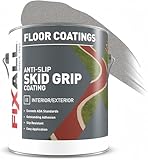
Traction is the whole point of FIXALL Skid Grip. On a porch that sees rain, snow, or spills, its grip is a real safety upgrade. This water-based acrylic coating carries a built-in grit texture that creates a high-traction surface engineered to exceed ADA slip-resistance guidelines, which makes it a smart pick where kids run or older relatives use the steps.
It bonds aggressively to wood, concrete, stone, and asphalt, resists UV fading, and cleans up with soap and water. The texture is also its main compromise: it drinks paint, so coverage drops to roughly 60 to 100 square feet per gallon, and it runs pricier than a plain floor enamel. For the safety it buys on a slick porch, many owners find that a fair trade.
Pros
- High traction: Prevents slips on wet surfaces.
- Universal bond: Works on asphalt, wood, and cement.
- Fade resistant: UV-stable formula.
- Safety first: Exceeds ADA slip-resistance guidelines.
Cons
- Pricey: Higher cost per gallon than plain enamels.
- Low spread: Texture reduces coverage area.
Product Specs
| Quantity | 1-gallon |
|---|---|
| Coverage | 60 to 100 square feet |
| Drying time | 4 hours |
| Type | Water-based |
| Price | $$$ |
| Product | Best | Quantity | Coverage | Drying time | Type | Price |
|---|---|---|---|---|---|---|
| KILZ Porch and Patio Latex Floor Paint | Best Overall Paint for Porches | 1-gal. | 200 to 400 sqft | 4 to 6 hours | Water-based | $$ |
| Glidden Porch and Floor Paint with Cool Surface Technology | Best Self-Priming Paint for Porches | 1-gal. | Not stated | 4 hours | Water-based | $$ |
| EVOLVE Porch and Floor Paint | Best Water-Based Paint for Porches | 1-gal. | Not stated | 1 hour | Water-based | $$ |
| KILZ Interior/Exterior Basement and Masonry Paint | Best Outdoor Paint for Concrete Porches | 1-gal. | 75 to 125 sqft | 4 hours | Water-based | $$ |
| FIXALL Skid Grip Anti-Slip Textured Coating | Best Outdoor Paint for Wood Porches | 1-gal. | 60 to 100 sqft | 4 hours | Water-based | $$$ |