Do you feel that paying a professional $500 to paint a two-car garage door is a little over the top? Then it’s time to learn how to paint a garage door by yourself.
I’m going to show you just how easy it is and save you hundreds of dollars in the process.
Key Takeaways
- Choose the right paint for your garage door material (wood, metal, vinyl, etc.).
- Clean and prep the door by removing rust, chipping paint, and dirt for smooth paint application.
- Apply a primer if needed, based on the door material and existing paint type.
- Paint using a roller, starting from the bottom and working your way up, allowing each coat to dry for 12 hours.
Best Kind of Paint For Garage Doors
It’s key to ensure you’re using the correct paint for the type of garage door you have. Otherwise, you could ruin the finish, cause chipping and flaking, and even discoloration.
| Garage Door Construction | Best Paint Type |
| Wood with oil-based paint | Water-based latex paint |
| Wood with latex paint | Water-based latex paint |
| Wood with stain | Water-based latex paint |
| Wood with no previous treatment | Water-based latex paint |
| Metal with oil-based paint or bare | Oil-based paint |
| Metal with latex paint | Water-based latex paint |
| Vinyl/composite/fiberglass | Water-based latex paint |
Which paint to use to paint a garage door is determined by the material used to construct the door. Priming is frequently necessary, but not all paint jobs require this. Details can be found on the can of paint in question.
You might use garage door-specific acrylic paint. Alternatively, depending on the material of your garage door, choose a paint formulated for external wood, fiberglass, aluminum, or metal.
Bear in mind that it is especially critical to confirm that the paint you are using is acceptable for galvanized steel garage doors. Since not all metal paints perform well on a galvanized surface.
How to Paint a Garage Door
Don’t just slap on some paint. There’s a method to yield the best results.
What You’ll Need
- ¾-inch paint roller.
- Latex exterior primer.
- Latex exterior paint.
- Painter’s tape.
- Hose.
- Step stool.
- Drop cloth.
- All-purpose cleaner.
- Wire brush.
- Sponge.
- Safety gear.
- Fine grit sandpaper.
- Cloth rag.
1. Clean the Door
For garage door painting, you have to prep and clean the garage door to make sure that the paint adheres smoothly and is durable.
Put on your protective equipment and scrub away any rusted or chipped areas using a wire brush. Then, using fine-grit sandpaper, sand these areas to produce a smooth base.
Use an all-purpose cleaner and a sponge to clean the entire surface. After removing all dirt and filth, use a garden hose to clean the door. Using clean towels, wipe the surface dry and leave it to air-dry for about an hour.
2. Prep the Area
Mask everything that might get smudged with paint using painter’s tape. Tape off the trim if you don’t want to paint it. Place a drop cloth on the floor inside and outside the garage to protect it.
Change the settings for the door and switch the mechanism from automatic to manual. This will help you raise it and lower it with ease during the painting process.
3. Apply the Primer
Choose a primer based on the material of your garage door. Prime the stiles with a roller. Lower the door as you progress through the job. Use a step-ladder to reach the higher portion of the door.
Leave the trim for last and allow the primer to dry for about 12 hours. Priming is not required if you’re using the same color and paint type as the original paint.
4. Paint the Door
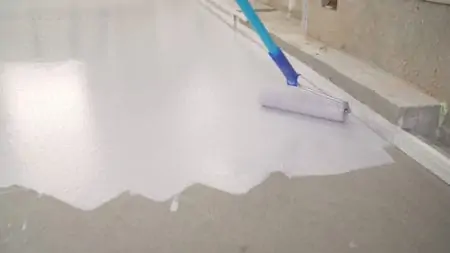
Apply high-quality exterior paint to the door in the same manner as you did for the priming. Start from the bottom inner panels, working your way upward and outward towards the stiles (lowering the door as you progress). If there are uneven patches or the paint layer is too thin, apply a second coat.
Let the second coat of paint sit for about 12 hours. When you’re done, remove the painter’s tape.
Cost to Paint a Garage Door
You may paint the garage door yourself with a little effort and expense. For this DIY project, expect to pay roughly $15 for a quart of paint for the door. Further costs rely on whether you need a primer or not and if you have all the other tools needed (brush, roller, etc.).
If you want to hire professionals to do the job, it should cost between $150 and $550. This depends on the size of the door. Some companies offer garage door spraying services.
Tips For Painting Like a Pro
Now that you know the basic process of how to paint a garage door, here are some professional tips that will help you reach that job well done:
- Pick a suitable day for painting. That means indirect sunlight, low humidity, and a temperature between 50 and 75 degrees.
- Painting a garage door can take up to three days, so check the weather forecast for three consecutive days.
- For smooth finishes, clean chipped or rusted door spots with a brush.
- You don’t normally need a primer for old garage door recoating unless you want to put oil-based paint over latex paint. Or if you’re painting a similar color.
- Set your garage door to manual roll-up.
- Always use painter’s tape to mask the areas around the garage door that should not be smudged with paint.
Safety Caution
Never paint a garage door without safety goggles, gloves, and a respiratory mask.
Color Ideas For Garage Doors
When choosing a color for your garage door, there are two factors to consider. The first consideration is whether you want the door to blend in with the rest of the front features of your property or stand out.
The second is the color scheme of the remainder of your home and the accent colors you’ve picked. The color of your garage door should complement or match your home’s colors. If it doesn’t, it may be deemed an eyesore.
For White Houses
Black garage doors are a great choice for white houses. You can also opt for a darker primary color, other neutrals (like brown or dark gray), or even a simple wooden stain application.
For Gray Houses
As with white, grey is a neutral hue, which gives you lots of leeway and freedom when it comes to choosing a garage door color. Since it is not as neutral as white, not all shades will blend nicely.
Black or white are great garage door color options. Burgundy or navy blue are great for going deep. You can also go monochrome and choose a darker or lighter shade of gray than the one on your exterior walls.
For Brick Houses
Things are a bit trickier when it comes to brick houses, so here are some helpful tips:
- If your brick house has a prominent color, use that one for your garage door.
- Deep neutrals usually pair great with brick.
- Take a look at the primary color of the brick (such as red) and paint your garage door in that color. Deep bronze and chocolate brown are foolproof colors for garage doors. They go with almost any exterior.
For Beige Houses
For beige houses, you can’t really go wrong with a shade of smoky gray. The idea is to make a bold statement without burdening the color scheme too much.
FAQs
Still have questions? I’ve got you covered. Here are a few common things I often get asked.

How Long Does it Take to Paint a Garage Door?
Painting a garage door isn’t a lengthy process, but allowing it t dry does take some time. It’s best if you set aside two or three days for painting your garage door.

How Much Paint Do You Need to Paint a Garage Door?
The majority of ordinary two-car garage doors require only one gallon of paint, which is sufficient for two to three solid coats.

How Long Should You Wait Between Coats of Paint on a Garage Door?
Allow at least 12 hours between coats of paint or primer to ensure that they have completely dried and will not smear.

Can You Spray Paint a Garage Door?
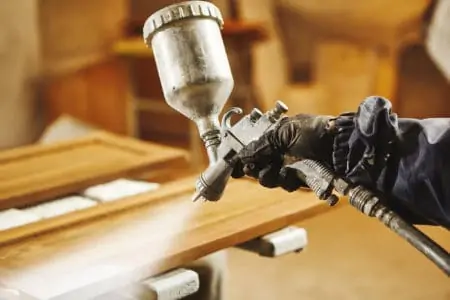
With all the angled panels on modern garage doors, spray painting a garage door is faster and easier than rolling or brushing. It’s also considered to be the best technique to achieve an even and smooth finish.

How Long Will a Painted Garage Door Last?
If you choose quality paint and prep the garage door’s surface properly, a paint job should last about 10 years.
Final Words
Once you learn how to paint a garage door, settling on a door color is the most complicated part. Remember to always choose a paint that’s suitable for your garage door material. Use safety gear at all times to avoid inhaling paint fumes.