Are you looking to paint your walls or furnishing but dread waiting for paint to dry? When you mess with paint that hasn’t dried it, you can damage the entire appearance of the painted object.
However, nobody likes to wait 12 hours for the paint to dry either. I’m going to show you how to make paint dry faster using 10 techniques within your reach.
Key Takeaways
- Ensure proper ventilation to speed up drying.
- Use a dehumidifier or AC unit to reduce humidity.
- Apply thin coats of water-based paint for faster drying.
- Paint during warm weather and avoid direct sunlight.
What Is the Fastest Drying Paint?
The type of paint chosen is one of the very first things that tells you how long you have to wait until it dries. The only exception to this would be paints labeled as ‘fast-drying’.
| Type of Paint | Dry Time |
| Oil-Based Paint | Six to eight hours |
| Latex Paint | One hour |
| Acrylic Paint | Four to six hours |
| Water-Based Alkyd Paint | Six to eight hours |
The reason why some paints dry faster than others is because of their chemical composition. As you can see from the table, acrylic, enamel, and oil-based paint have rather similar drying times.
Acrylic-based paints take around four to six hours to dry. That might not seem like much but go for latex paint if you want faster drying rates.
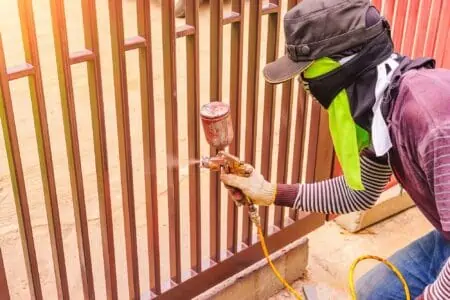
How Long Does Spray Paint Take to Dry?
With spray paint, drying times depend on the surface you’re painting:
- On Metal: Applying a thin coat of spray paint on metal will cause it to be dry to the touch in about 10 minutes.
- On Plastic: When spraying plastic surfaces with spray paint, drying times are usually around 30 minutes (to the touch).
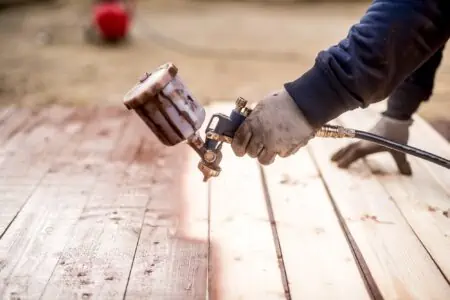
- On Wood: Drying times depend on layer thickness, type of paint, and room temperature. But it should be dry to the touch in about an hour.
- On Paper: It normally takes 10 minutes for spray paint to dry on paper (15 if you’re spraying cardboard and 30 to dry on canvas).
Does Paint Dry Faster in Heat or Cold?
Paint dries faster in heat. In fact, the higher the temperature, the faster the paint will dry. That’s one of the main reasons why experts suggest leaving outdoor paint jobs for the summer.
The higher temperature allows the moisture inside the paint to evaporate, causing it to dry faster.
How to Make Paint Dry Faster
If you need to finish the paint job in a hurry, here are 10 methods to teach you how to get paint to dry faster.
1. Ensure Proper Ventilation
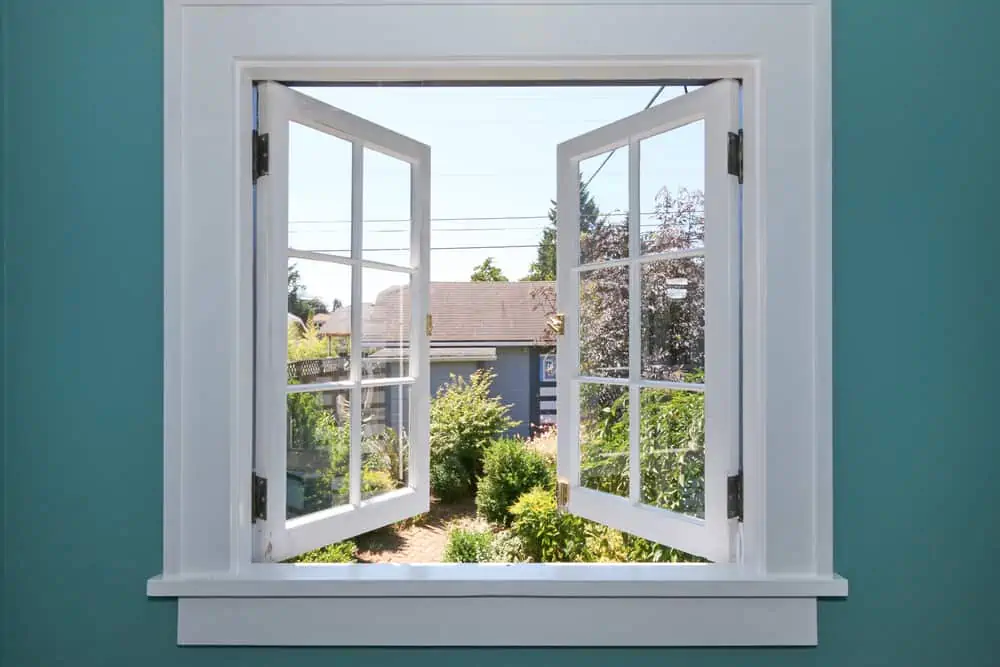
It may seem obvious, but ensuring that the drying area is well-ventilated will help the process go more quickly. Try opening a window when you’re painting because the moving air will help get rid of fumes faster. To expedite the drying process, operate fans aimed towards the walls.
2. Use a Dehumidifier
Using a dehumidifier will help speed up the drying process because the humidity hinders it. It’s best if you can paint on the driest day of the week.
It’s best to paint in a room where the humidity level is around 50 percent or lower. It’s also good for your respiratory health to have a humidity level between 40 and 60 percent.
3. Consider a Heater
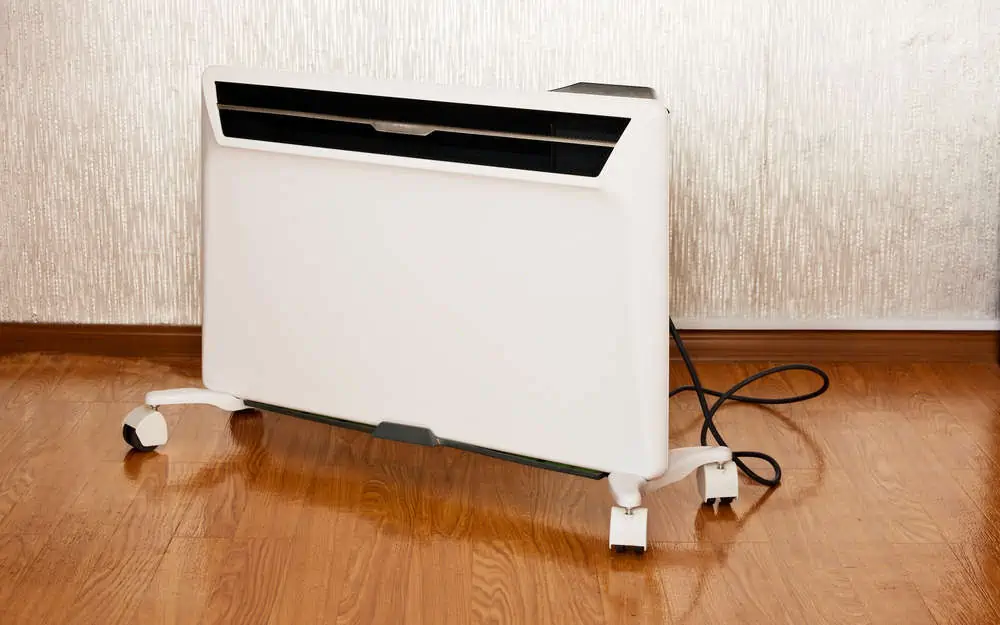
The room’s temperature can also affect the pace at which paint dries. If you’re having trouble drying a wall, consider aiming a space heater towards it. This acts as an accelerator, eliminating moisture in the air while raising the temperature for faster drying times.
The coldest part of the room to paint in the winter is the outer wall. So, you’ll want to direct your heater toward that area. Keep an eye out for heat exhaustion while painting.
4. Use a Hair Dryer
Since hot air seems to work when you’re looking to dry paint faster, a hairdryer can also help. Simply direct it at whatever you’re looking to dry. Make sure you keep it two inches from the wall or object in question.
Move the dryer slowly to cover all the wet paint areas until evenly dried. This method is useful when you’ve just painted a piece of furniture and want to dry it to apply a second coat of paint.
5. Turn on the AC Unit
If you don’t have a dehumidifier, you can replace it with an AC unit. This can speed up the drying process because the AC unit can help absorb the humidity from the room and give some cool, dry air instead.
Heat is better than cold when you’re looking to dry paint faster. But only if it’s a dry heat. So, it’s better to work in a cold, dry room than a very warm and humid one.
6. Apply Thin Coats
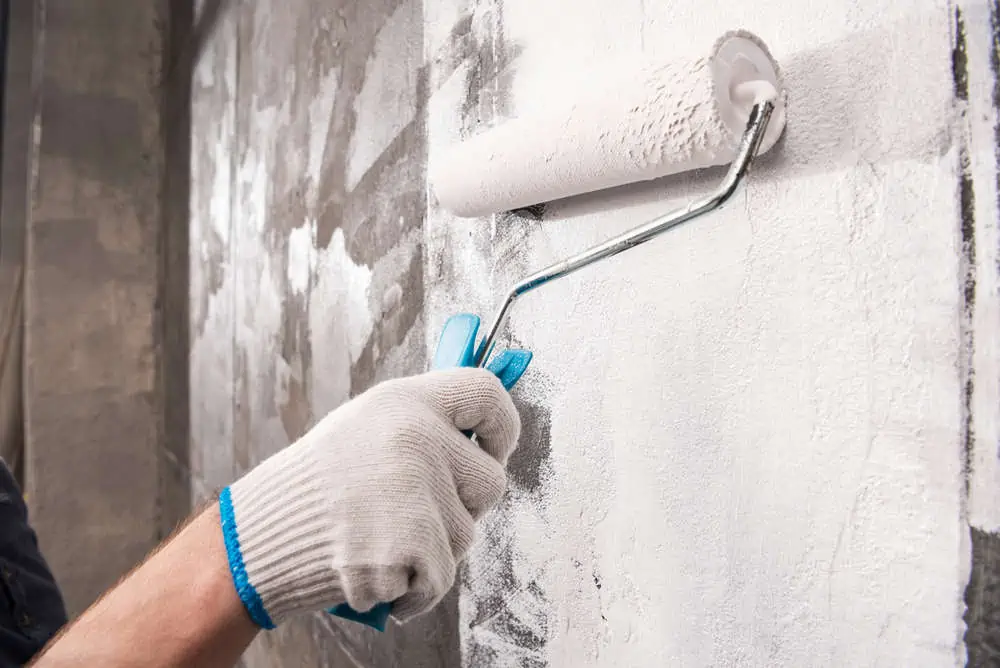
While it may be tempting to apply thicker layers of paint, thinner applications dry faster. Multiple thin coats will look better than one heavy coat since they are more uniform. Adding a second coat doesn’t require waiting for the first coat to dry completely.
7. Use Water-Based Paint
As you’re learning how to dry paint fast, you should know that the ingredients inside a paint product can dramatically influence the time it takes for it to dry.
A water-based paint usually has a faster cure time than other types of paint. If it’s a non-VOC paint, that’s even better. This occurs because the lack of volatile compounds creates a surface that usually dries faster compared to products made with chemicals.
Consider Sheen
The type of sheen is another factor that influences paint dry time. Glossy paint takes longer to dry compared to matte paint.
8. Paint During Warm Weather
As mentioned before, the paint will dry faster when it’s warmer outside or indoors. While it’s pretty easy to control indoor temperature, we can’t say the same for outdoor weather.
Your best solution is to wait for a warmer day if you want to paint your exterior walls. Check the weather forecast and avoid any rainy days. There’s no point in waiting for high temperatures if the rain washes away the paint.
9. Warm the Surface Before Painting
For the paint to dry faster, you can warm the surface that’s about to be painted. You don’t have to bring it to a very high temperature. Just make sure it’s warm to the touch.
For example, if you’re looking to paint an end table, use a hairdryer to warm up the surface before applying the first coat of paint.
10. Paint the Walls One-by-One
When looking to apply paint on walls, there is a more effective way to get through long dry times. Mentally label the walls with numbers from one to four (or more, if needed). Start by painting the first wall, then the second, etc.
When you’re done with the fourth wall, you won’t have to wait much longer until you can paint the first one again.
How Quick is Quick-Drying Paint?
It really depends on the exact brand of the quick-dry paint you’re looking to apply. For instance, the Rustoleum High Performance Enamel Spray takes around 15 minutes to dry. Or the Rust-Oleum Painter’s Touch Latex Paint for walls is dry to touch in half an hour.
Is It a Good Idea to Paint in The Sun?
We’ve talked about the benefits of warmer temperatures and how they cause the paint to dry faster. That makes it counterintuitive to think that you should always avoid painting in the sun.
When you paint under direct sunlight, the paint tends to dry exceptionally fast. This causes many potential problems, from improper adhesion to visible brush marks.
FAQs
There are so many moving factors when it comes to painting; dry times, applications, interior or exterior. Hopefully, this extra info will help you out.

At What Temperature Does Paint Dry?
Paint requires a minimum of 50 degrees to dry effectively. But if the temperatures exceed 90 degrees Fahrenheit, it may dry too quickly, causing cracks in the paint job.

How Do You Make Paint Dry Faster on Metal?
Metal is a type of surface that causes paint to dry faster by default. If you still want to speed up the process, use a space heater to reach higher temperatures and faster drying times.

Will Paint Change Color After It Dries?
Paint dries the same color as the paint chip, even if it doesn’t look like it at first. Just hold the chip up to the dried wall and see.
While paint may appear lighter or darker when applied, it should dry to the color you’ve seen on the swatch or the lid.
All Wrapped Up
Knowing how to make the paint dry faster is important when working against time. Drying paint faster can also help you put newly-painted furniture back in place. Or even help you get started faster on that second coat of wall paint.