The weather patterns are changing, with snow falling in places that never saw the white stuff before. However, because it’s a once-in-a-lifetime event, it is unlikely you have had the time to invest in a snow shovel.
So, what do you do if you get caught short? We show you how to remove snow from your driveway without a snow shovel.
Key Takeaways
- Use a tarpaulin to cover your driveway before snowfall and remove it along with the snow when needed.
- For lighter snow, use a leaf blower or a stiff-bristled broom to clear the driveway.
- Invest in a heated driveway or snow melting mats to melt the snow automatically.
- Roll the snow like making a snowman to lift it from the driveway, or use a snow blower for more convenience.
How To Remove Snow From a Driveway Without a Shovel
So, you’ve looked out the window and seen a blanket of snow covering your car and driveway and realized that you don’t own a snow shovel. What do you do?
1. Lay Down a Tarpaulin
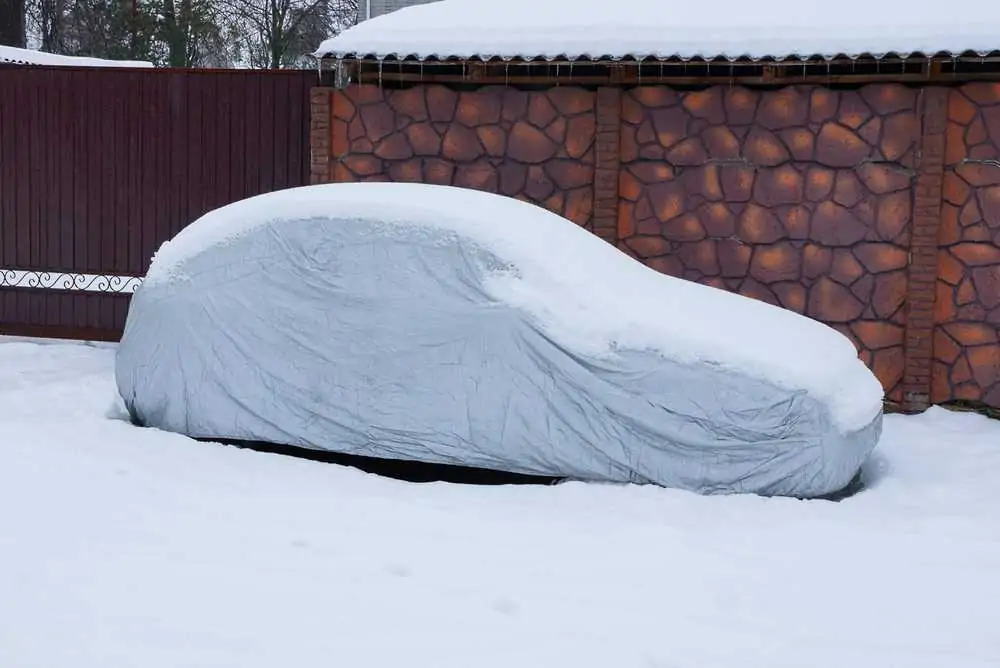
This is something that works effectively at removing snow without a snow shovel. You’ve probably seen your father or grandfather covering their windshield in cloth before significant snowfall.
Laying a tarp is the same principle, except you are placing it over your path or driveway. When the snow comes, simply grab the edges of the tarp and pull it away from the driveway. Hey presto! Instant snow clearance without a shovel.
The downside to this method is it may take a couple of people to shift the snow-laden tarp.
2. Use a Leaf Blower
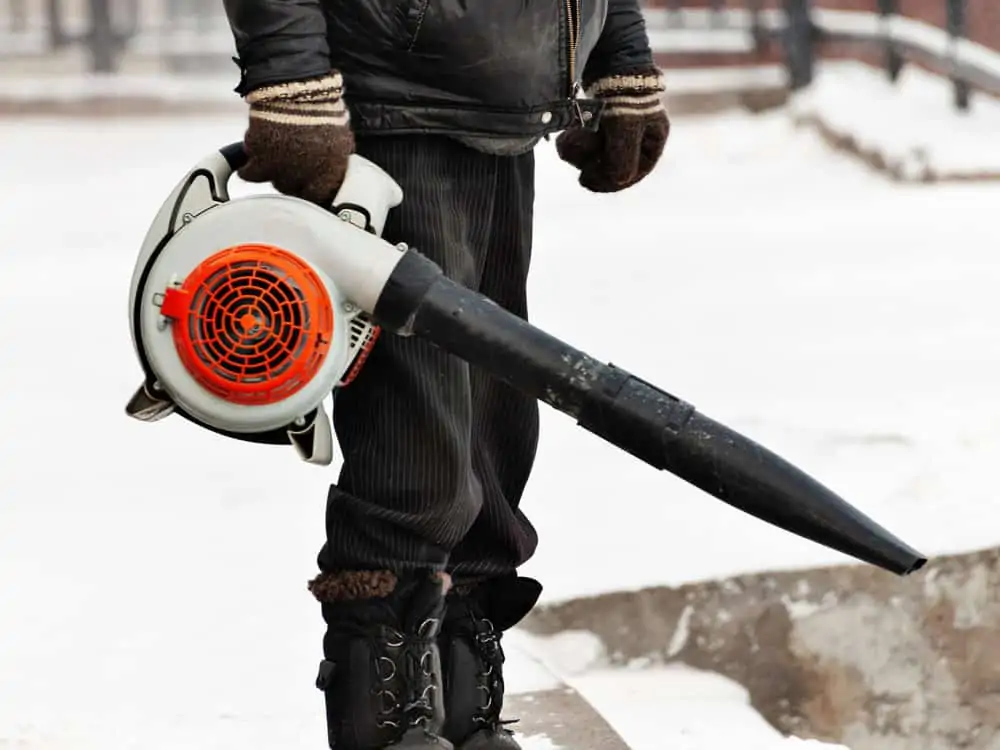
As the last leaf flutters to the ground in the late fall, you might be tempted to retire your leaf blower for another year. Think again! Why not put your leaf blower to better use and use it to clear lighter snow from the driveway and car.
Take Note
3. Invest in a Heated Driveway
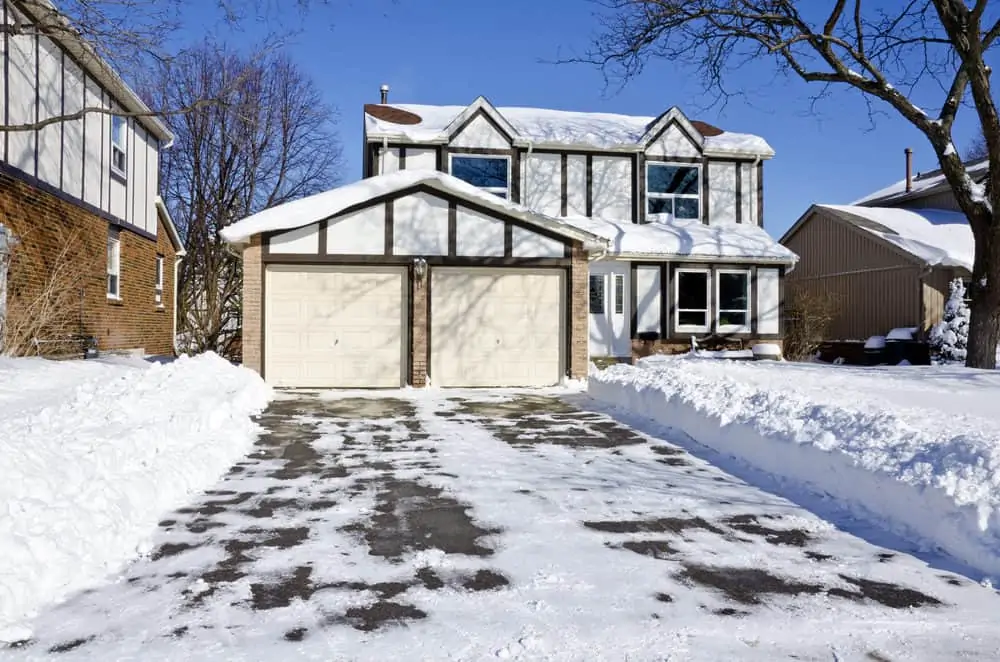
In some northern states, heated driveways are becoming more popular. It works on the same principle as a heated windshield. Electrical circuits are fed under the surface of the driveway, and when the snow comes, you flick a switch, and the elements in the circuit heat.
They are expensive when you initially install them, but at about 28 cents per hour for every 100 square feet, they represent a sound investment, especially when it means you can ditch the snow shovel.
4. Roll the Snow
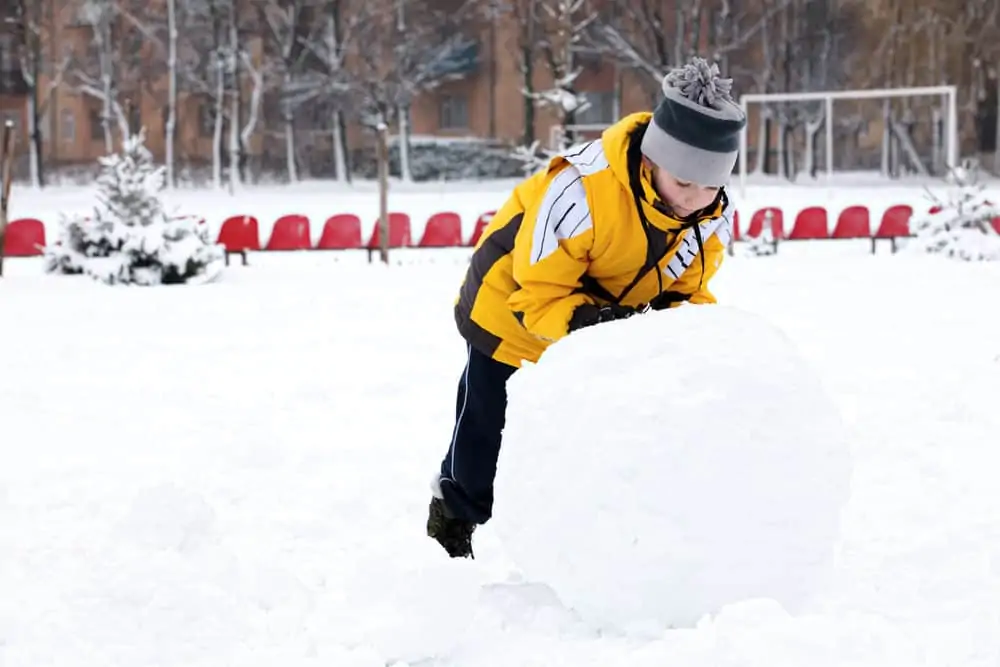
Have you ever made a snowman as a kid, or as an adult, for that matter? You start by rolling the snow in a small amount, and as it gathers more snow, it grows. The bigger it gets, the more material sticks to the ball until you have lifted the snow from the driveway.
It might not be the most convenient method of clearing snow, but it is another option if you don’t have a snow shovel.
5. Grab a Broom
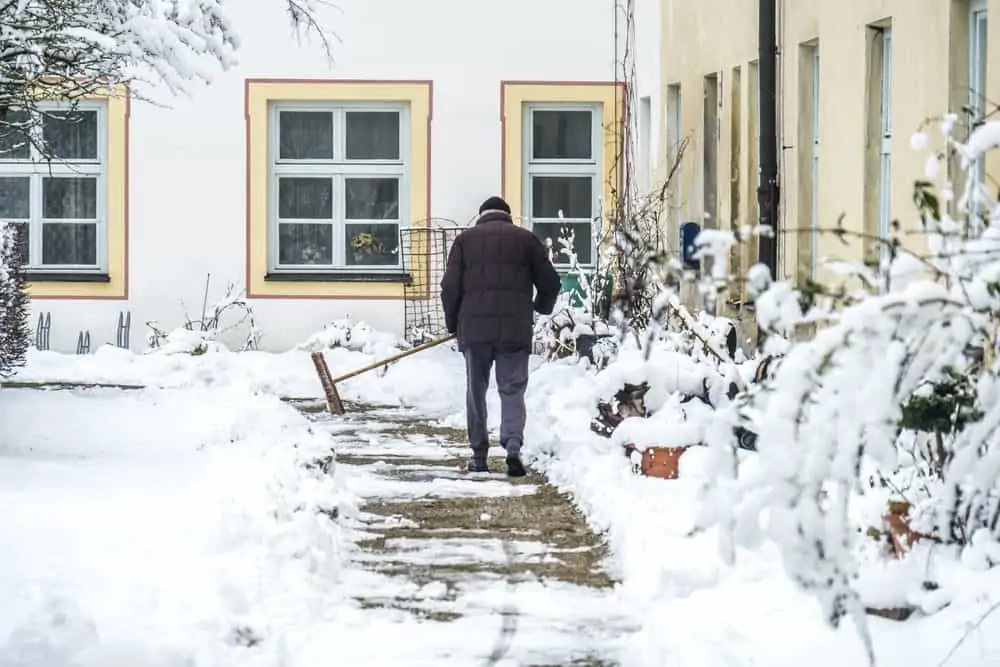
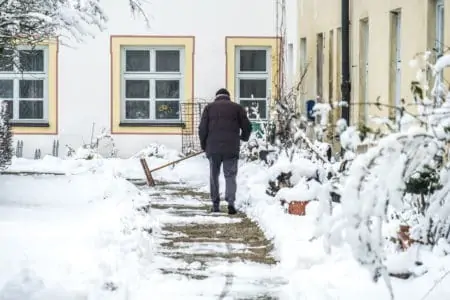
A stiff-bristled broom is an ideal tool for clearing lighter snowfalls. To do this effectively, set a schedule at one-hour intervals if the snowfall is extended because it is easier to sweep small amounts often rather than bulk removing at the end when the snow has stopped.
You can also flip the brush over and use the wooden base to scrape away any stubborn snow and ice.
6. Use a Snow Blower
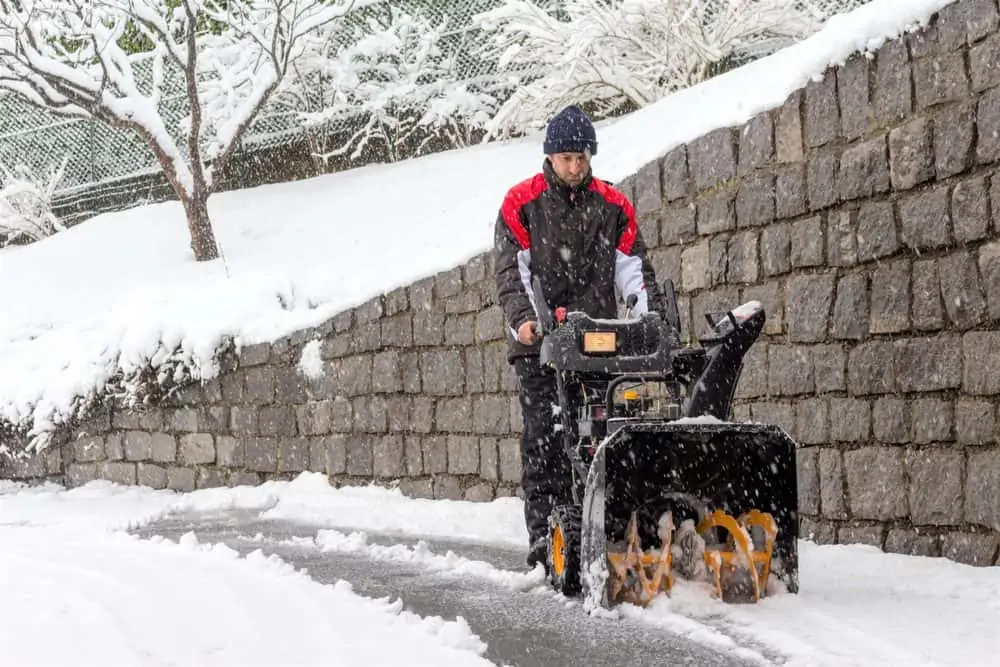
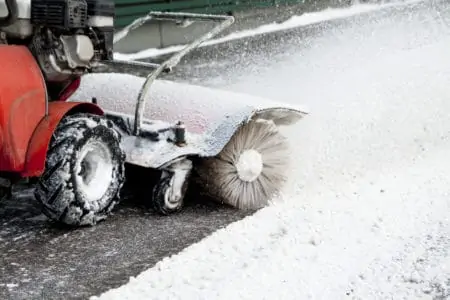
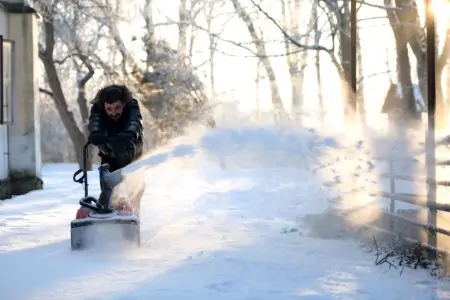
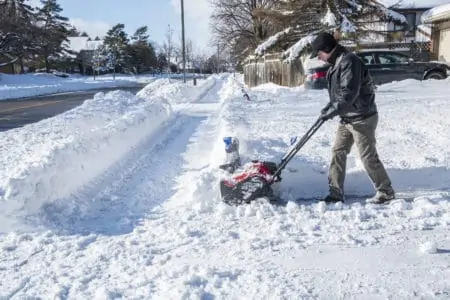
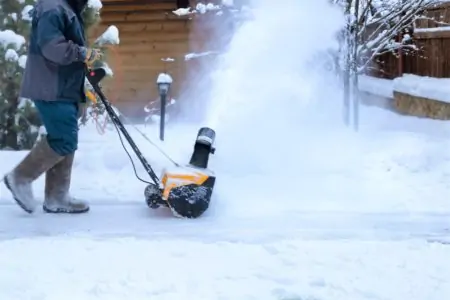
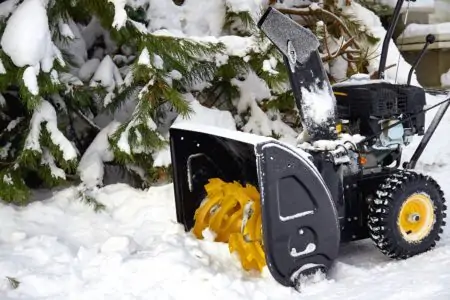
Snow blowers are the most convenient way of removing the snow from your yard. This is the simplest option if you want an easy life. A snow blower works like a lawnmower except for snow, with an auger that scoops everything in its path, tossing it out of a chute away from the clearance path.
Snow blowers are not a cheap option, so you will likely live in an area that gets the white stuff regularly. Otherwise, what’s the point in spending large sums of money?
7. Wheelbarrow Snow Plow Attachment
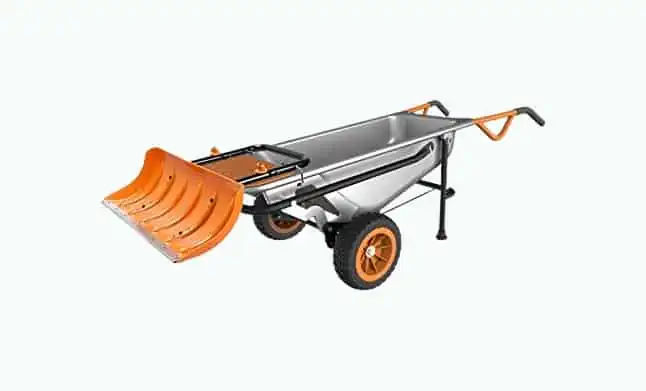
You can turn your wheelbarrow into a snow plow with a specialist attachment that clips to the front of the barrow, and as you push, it clears the snow like a traditional snow plow.
8. Snow Melting Mats
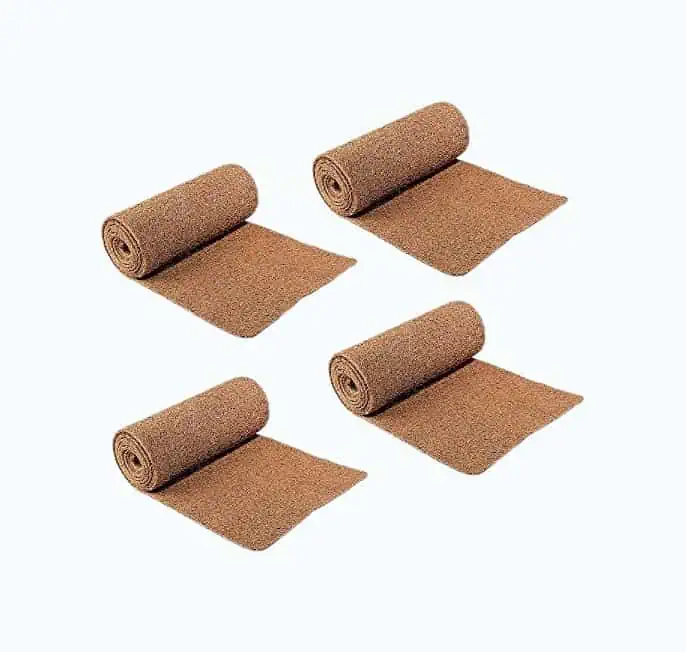
This is a cheaper version of a heated driveway. Lay the mats down, connect them to the mains power supply and switch them on. The heat generated melts the snow, and before long, you have a cleared driveway.
9. Sand and Salt Mix
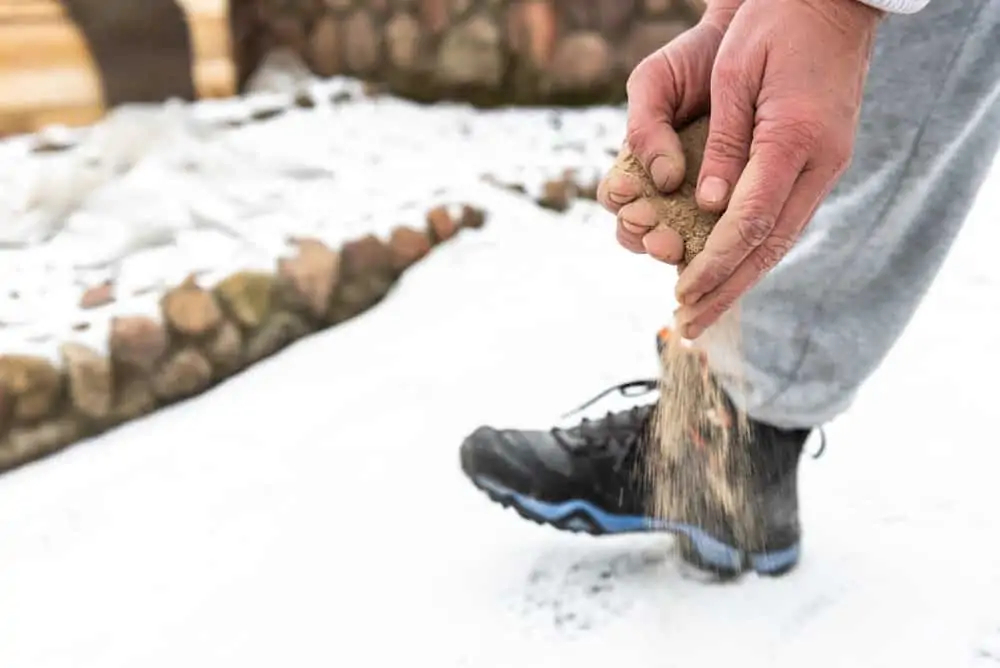
While sand won’t melt the snow, it does provide increased traction. Salt does melt snow, so mixing the two increases the melt factor and grip to avoid nasty falls. You can use household salt or dishwasher salt, which tends to be grittier as it comes in larger rocks.
You can also employ a manual salt spreader that throws an even coating of sand and salt to get the best outcome. Just be aware that some plants are salt-sensitive and could suffer as a result.
Take Note
10. Boiling Water
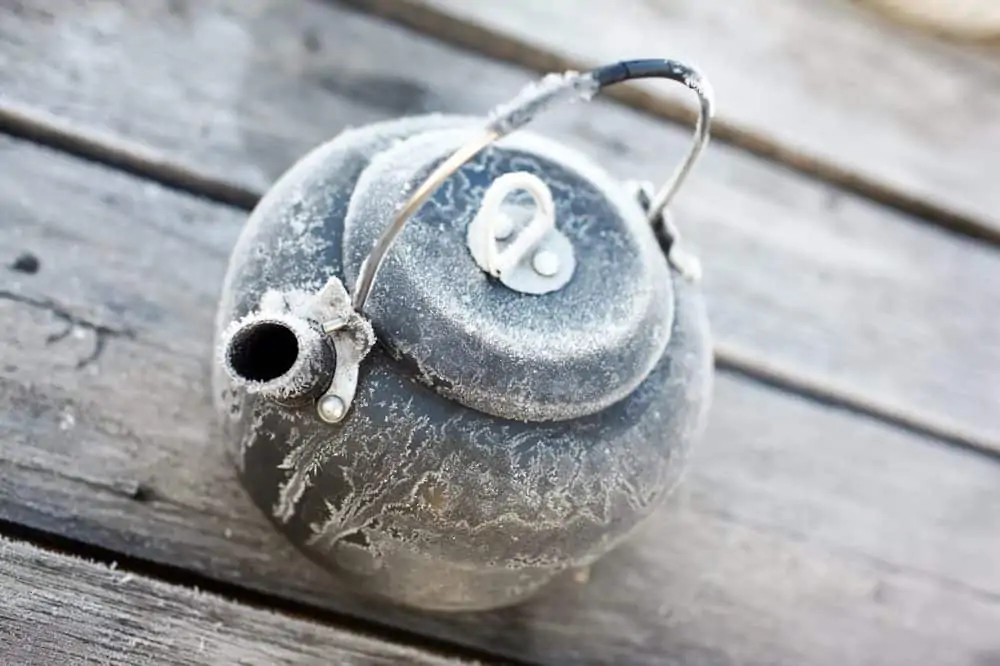
Tossing a bowl of boiling water onto your driveway is a very effective way of removing the snow. You get instant results, but you should have a broom handy to sweep away the excess water.
The danger is you could end up creating a skating rink as the hot water cools and freezes.
11. Alternative Melting Methods
No products found.
Some natural ice-melting techniques are effective when you want to clear snow. Alfalfa meal, a homemade sugar beet juice, helps lower the core temperature of freezing water, enabling it to melt. It also gives you more traction.
You can pick up Alfalfa bags from gardening stores, and they are pet, plant, and environmentally friendly.
12. Hire Someone To Do It
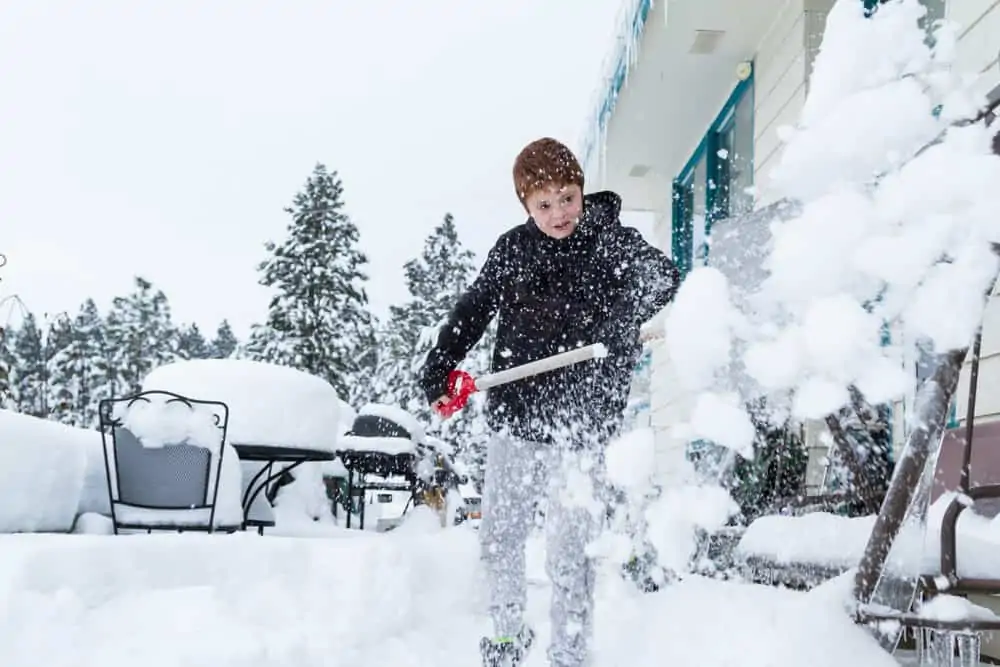
If you have too much money burning a hole in your wallet and far better things to do with your time, why not hire someone to clear your driveway. You may be advancing in years and want to give next doors teenagers a few bucks to sweep away the snow.
Who Needs a Snow Shovel?
The truth is there are several ways you can clear away snow from your driveway. However, the method you choose needs to be safe. Chemicals harm wildlife and pets as well as plants, and when you shift the snow, be sure it isn’t in the path of anyone else that may get injured.
Always think about your neighbors too. What’s the point of clearing your half of the driveway when your elderly neighbor could slip and fall on their untreated surfaces. Everyone wants to be a good neighbor.