Whether you’re Banksy or plain old Bob looking to respray a car, spray paint price matters. The cost of those small cans soon racks up when you calculate how much paint you’ll need.
So, asking, “how much is spray paint?” is a valid question, especially if you want to keep a handle on the budget. We look at several types of spray paint and examine the most popular brands.
Key Takeaways
- Spray paint costs vary depending on type, brand, and amount needed, with prices ranging from $4 to $16 per can on average.
- Popular spray paint brands include Rust-Oleum, Krylon, and Montana, with average prices of around $5 per can.
- Different types of spray paint include metallic, matte, gloss, high-heat, exterior, automotive, all-in-one, and chrome, with prices varying for each type.
- Using primer before painting and proper application techniques can help improve the longevity and appearance of a spray paint project.
How Much Is Spray Paint?
The cost of spray paint varies depending on the brand and type of paint needed. If you want to paint metal or wood, you’ll need the right paint, or it will peel right off.
For general-purpose paint jobs, you should expect to pay $4 to $16 per can. However, that cheap $4 can may seem like a bargain, but it may be a false saving. If it takes three cans to get an even coating, you will spend as much as the premium brand.
On the flip side, spending $16 on a single can of paint may seem excessive if you only need to cover a small area.
Spray Paint Price Per Brand
How much does spray paint cost per brand? Let’s look at some of the best-known names in the paint world and how they compare in price.
Rust-Oleum
As a brand, Rust-Oleum is an American institution. It’s up there with Ford, Dewalt, and other prominent names. It started in 1921 completely accidentally, when sea captain Robert Fergusson noticed that fish oil prevented corrosion.
The original paint formula included whale oil, but synthetic ingredients have since replaced it. Rust-Oleum paint is pretty hard to beat, costing an average of $5 per canister.
Krylon
Krylon was at the forefront of aerosol paint manufacturing as far back as 1947. Krylon is up there with Rust-Oleum for quality and prestige, and the prices are comparable too. On average, you will spend $5 per can.
Montana
Montana paint is the brainchild of former graffiti artist Jordi. So, if you are looking for quality paint, he knows a thing or two.
The company prides itself on producing paint with minimal color saturation and maximum spray control, making it the ideal brand for budding Banksy’s.
However, all that artistic flair comes at a premium because a set of 12 colors will cost $80 to $90.
Cost of Different Types of Spray Paint
With so many types of spray paint available, it can be challenging to keep a handle on the prices. Whether you want the high-end brands or general-purpose paint, the type you use has the biggest bearing on the budget.
Here are some of the most popular spray paint types and their average costs.
Metallic
Metallic spray paints are among the most expensive on the market. When it dries, it gives a high gloss surface that reflects light. They are great for creative painting and crafting, which is why they command such a premium.
Metallic spray paints have a more precise nozzle that helps you control the spray more accurately. This Krylon Metallic Silver Paint has a built-in primer, making it an excellent option for faster coverage between coats.
The prices vary depending on brands, but you can easily spend $10 to $15 per can.
Matte
Matte spray paint costs much less than metallic varieties, coming in at between $4 and $6 per can. It contains fewer expensive ingredients compared to metallic paint and dries flat, so it’s ideal for creating that shabby-chic look.
You can use it on furniture, walls, and window frames. Just remember that matte paint shows up every scuff and blemish, so it may not be a wise choice for high-traffic areas.
Gloss
Gloss paint contains higher levels of binders and resins, making them super reflective when dry. They are popular with people undertaking DIY painting tasks because they hide many scuffs and blemishes.
If you have a high-traffic area in the house, gloss paint copes admirably with daily wear and tear. This Rust-Oleum Black Gloss paint is an excellent example of what you can buy.
You can expect to pay between $5 and $8 per can, which puts it in the middle price bracket between metallic and matte paint.
High-Heat
High-heat paints are commonly used in commercial and automotive industries where paint is exposed to extreme temperatures. This specialist paint can withstand 600 to 1,200 degrees Fahrenheit.
This Krylon Flat Black Paint is the perfect choice because it dries tack-free in just 15 minutes and protects against rust. You can buy budget paint at around $5, but if you want a high-quality product, you could easily spend $25 plus.
Exterior
Outdoor spray paint has to withstand extreme changes in temperature, conditions, and damaging UV rays. Sunlight fades paint faster than anything else, so you need your chosen color to contain the right ingredients.
This Rust-Oleum Enamel Paint is a great choice when protecting against exterior challenges like the weather.
Because of the punishment your paint gets from the sun, it is crucial you use a good quality primer. It helps the paint bond to the surface and reduces instances of fading. Luckily, exterior spray paint is reasonably priced, retailing between $5 and $7 per can.
Automotive
Automotive paint performs in the same way as high-heat paint. However, it has other challenges to deal with. It has to withstand the ravages of the road, including chips and scratches.
It must do all this while fighting off the damaging effects of UV rays to retain full color. For this reason, it’s best not to cut corners or scrimp on the cost of the paint. You can expect to pay between $7 and $13 per can.
This Dupli-Color Anodized paint is an excellent choice for automotive parts because the anodization process protects against heat, moisture, and UV damage. You pay a little more than the average price, but it’s worth it.
All-In-One
Having a paint and primer in one can makes life a lot easier. You don’t have to fret about laying down a layer of primer and waiting for it to dry. It means you can speed up the painting process and get on with something else.
There are many examples of all-in-one paint on the market, but we like this Krylon Fusion Range for quality and value for money.
Some painters will tell you that all-in-one paint is a poor substitute for primer and paint applied separately, but that’s open to debate. However, if your surface gets a lot of UV abuse, it might be better to choose the separate primer and paint route.
Expect to pay between $5 and $20 per can.
Chrome
When restoring metal work, especially car rims, chrome paint is a winner. It gives a reflective shine that makes your wheels stand out. This Montana Extra Wide Chrome Paint is a great product because it has a six to 24-inch spray width.
Expect to pay $10 to $25 per can, depending on the brand and quality.
Spray Paint Vs. Regular Paint
We’ve covered spray paint in detail so far, but how does it compare to regular paint for quality and cost?
At first glance, spray paint seems like excellent value for money compared to regular paint. You can pick up all-purpose spray paint for as little as $5 per gallon can. Regular paint costs $20, $30, and sometimes $50 plus for the same amount.
Sure, you can buy more expensive spray paint, like Montana, but on the whole, it is cheaper per can. However, regular paint comes in cans ranging from one quart to five gallons, so you get more extensive coverage.
Given that most spray paint cans are 12 ounces, you would need a lot of cans to get the same coverage.
Additional Costs of Spray Paint
While this article has focused on the price of each type of paint, there are additional costs to consider. From prepping the surface to sealing the color, here are the extras you need to budget for?
Primer
Priming is one of the most critical stages of any painting job. You should never skip it because your paint will flake and peel way earlier than it would if you used primer.
This Zinsser 1-2-3 Primer is an excellent and popular product. It creates a good bonding surface and seals the material below to make your topcoat cover more evenly.
You should expect to pay anywhere between $5 to $40, depending on the specific product, brand, and can size.
Clear Coat
Clear coat is pigment-free, so you get all the benefits of paint without the color. It is used to seal enamel and epoxy paints to create a hard-wearing surface.
This Krylon High Gloss Clear Glaze is ideal for sealing matte surfaces and leaves a glass-like appearance. Using a clear coat is inexpensive, costing $5 to $10, although you will spend a little bit more ($15 to $20) for UV-resistant clear coat for exterior surfaces.
Sanding
If you don’t sand between coats, you end up with uneven and patchy paintwork. Sanding gives a strong bond for the paint to adhere to and removes blemishes that stand out, especially on glossy surfaces.
Sandpaper is inexpensive and comes in multiple packs of different grit sizes. This enables you to start with a low grit and gradually work towards the finest sandpaper. Depending on the pack size and the brand, you should pay between $10 and $20 for sandpaper.
Extra Cleaning and Preparation
We cannot overemphasize the importance of preparation when painting. If you don’t clean the surface before applying paint, it will fail to bond. Grease and dirt reduce the paint adherence, leading to more work further down the line.
It also leaves your surfaces pitted and blemished, making your paint job look amateurish.
You will need a degreaser, like this Simple Green, to remove most surface contaminants. It works by using natural ingredients to dissolve grease and other debris. If you factor in additional cleaning products, you could easily spend $30 to $40 on prepping your surfaces.
Aerosol Gun
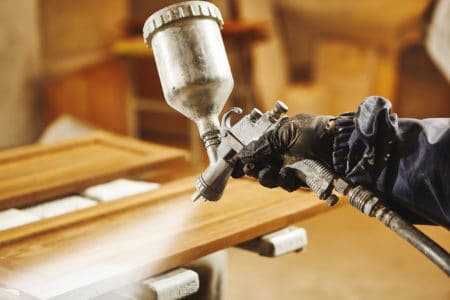
Using a paint sprayer is a fast way of applying paint. However, it is messy, so you may need additional cleaning products. Most people don’t have a paint sprayer, but you can hire or purchase one.
Expect to pay hundreds of dollars for a high-end model like this Graco, although if you want the cheapest sprayer, you can spend as little as $40 or $50.
How to Save Money on Spray Paint
Paint costs can soon rack up, so you need to find ways to reduce your spending and keep your budgets down. Let’s take a look at some tips.
Bulk Buy
Bulk buying makes sense, especially if you have a significant project coming up. You can negotiate better terms with the seller when you buy more of their product because they make more profit.
However, it doesn’t make sense if you only need to paint one item because you’ll have a lot of paint leftover.
Shop Around
You have the power to walk away if you think you’re paying too much for your spray paint. Shopping around enables you to compare prices, which could mean significant savings when bulk buying.
Every penny counts, so why pay over the top for your spray paint? It makes no sense.
Don’t Always Go Cheap
Five dollars seems more attractive than $20, but not if you need four times as much of the $5 paint. It’s affordable for a reason, and it starts and ends with the quality of the paint. Sometimes the cheapest paint is the thinnest with the least amount of pigments.
Your best bet is to read the reviews online, compare prices, and then opt for the paint based on customer satisfaction. Most of the time, the best policy is to go for a mid-priced paint.
Prep First
Painting directly onto untreated or unprepared surfaces is bad news. You use more paint because the coverage is patchy, and it will peel a lot faster.
You should remove grease, dirt, flaking paint, or anything else that affects how the paint bonds. Use a primer like this Rust-Oleum Universal Bonding Primer. It may cost close to $40, but it will be worth it in the end.
Depending on the brand name and quality, you can pick up primers for between $5 and $40.
How Much Does Spray Paint Cover?
Coverage is an essential factor when costing your next spray paint project. The average 12-ounce can should cover between 20 to 30 square feet. However, this is dependent on the porosity of the surface.
Coverage for wood is a lot less than for metal or plastic because of its porosity. It soaks up more paint, so you should use a primer first.
Tips for Applying Spray Paint
Why not take a leaf out of the pro painting rule book when completing your project? After all, they are the experts and have a trick or two to share.
Use Primer
If you want your paint to adhere better, go on smoother, and spread further, you need to use a primer. Primer contains more resins and fewer pigments (it’s why most primers are white) because their sole purpose is to seal the surface.
Porous materials like wood, concrete, bricks, and bare plasterboard act like sponges, sucking up the paint. A primer seals the surface, making it easier for your topcoat to adhere.
Use All-In-One Paint
If you lack the time to prime and wait for it to dry, try paint and primer in one. You can spray it straight onto your chosen surface without needing to prime first.
Top Tip
If you paint exterior surfaces, it would be better to use a separate primer. It has to protect against UV rays and changes in weather conditions.
Don’t Paint Vertically
Unless you are decorating a subway wall, avoid spraying paint vertically. It’s the easiest way to create runs and drips. Always lay your objects face up to allow the paint to find its own natural spread and prevent runs.
This is especially useful if you accidentally apply the paint too thickly.
Avoid Cracking
If the paint layers are too thick, cracking occurs when it dries. Move your arm in sweeping motions, always holding the can at the same distance to avoid laying it on too thickly.
You can build the paint up in layers rather than laying on one thick coating.
FAQs

How Long Does Spray Paint Last?
Spray paint lasts three to five years if applied correctly to a clean surface. Priming before painting helps to prolong the color’s longevity because it creates a stronger bond.

Why is Spray Paint So Expensive?
Some spray paint is more expensive than others, especially branded makes like Krylon and Montana. The type of paint makes a difference in the price, with enamels among the most costly.

Does Spraying Paint Use More Paint?
You use more paint when spraying it rather than brushing and rolling. You use about 33 percent more material, with most wasted as overspray.
The Facts About Spray Paint Costs
So, there you have it: spray paint is cheap enough by the can, but the costs soon escalate when you factor in the number of cans you’ll need. How much does spray paint cost? It depends on the size of your project and the type of paint you use.
With approximately 20 to 30 square feet of coverage per can, you can see why it costs so much. However, spray paint is easy to apply and delivers a streak and blemish-free finish if done correctly.