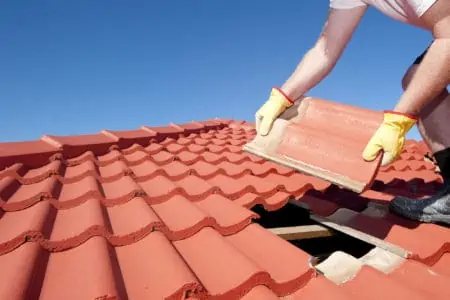
Is your roof sagging or damaged and in desperate need of replacing? A major storm can cause damage to your shingles. And, if left for too long, it leaves your roof susceptible to further damage.
But how long does it take to replace a roof? I’ll lay down everything you need to know right here.
Key Takeaways
- Average roof replacement takes 1-2 days, but can vary based on factors like materials, size, and complexity.
- Asphalt shingles take 1-3 days, metal roofs take 2-5 days, clay tiles take 3-5 days, and concrete tiles take 8-9 days.
- Weather conditions and season can affect the roof replacement timeline.
- Roof accessibility and the contractor’s schedule also influence the duration of the project.
How Long Does It Take to Replace a Roof?
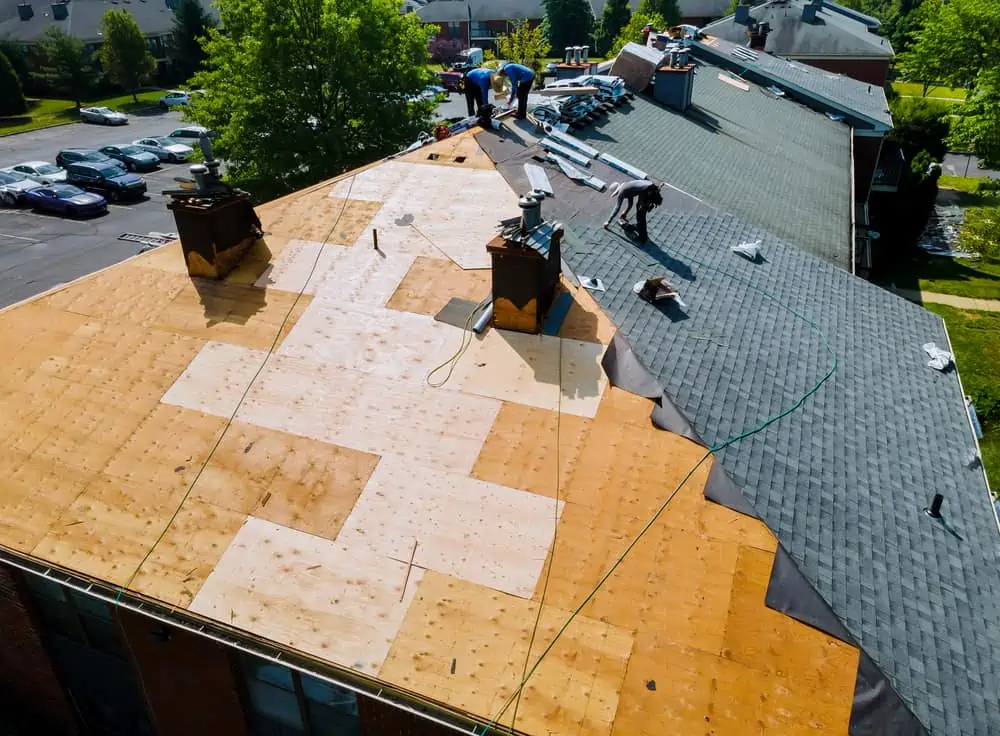
In general, if the property size is 3,000 square feet or less, the roof can be replaced in a single day. Of course, if there is extensive damage or it is a larger property, it could take up to five days.
By Material
There are tons of roofing materials on the market. And the ones you want to install will impact the average roof replacement time.
Roofing materials differ in design and installation method, and as a result, certain roof types have longer replacement times.
Asphalt roofing shingles have a lifespan of 15 to 30 years, are lightweight, and are simple and quick to replace. Replacement for this type of roof usually takes between one to three days.
Metal roofs have a lifespan of up to 50 years, are lightweight yet delicate, and require care and concern. Depending on the size of the roof, loading, and installation, replacing metal roofing may take two to five days.
For clay tiles, a replacement can take between three and five days. However, replacing concrete roof tiles takes longer, usually eight to nine days.
| Material | Average Roof Replacement Time |
| Asphalt Shingles | One to three days |
| Metal | Two to five days |
| Clay | Three to five days |
| Concrete | Eight to nine days |
| Wood Shingles | Six to eight days |
By Size of Roof
The size of the roof is one of the primary factors that will determine replacement times. If you have a crew of five people working on your roof replacement, they can replace 40 squares of asphalt shingle roof in one day.
Take Note
A square is a term used in roofing. It is the equivalent of 100 square feet of shingles.
Factors that Determine Roof Replacement Time
Let’s look at some things that might affect how long it takes to replace the roof. Consider each carefully and determine if any apply to your situation.
Roof Complexity
Not all roofs are built alike. Surprisingly, there are many parts to a roof: from the pitch to the hips. When you get your roof replaced, these things will make it take longer and cost more.
For example, a roof with multiple facets takes longer to work on than one with a maximum of four facets. Some surfaces are flat while others are sloped, which also adds to the complexity of the project.
The more intricate the roof, the longer it will take a contractor. A basic roof replacement may take a day, while a more sophisticated one may take three days.
Weather Conditions
A roof can only be changed in the right weather conditions. It cannot be replaced when it’s freezing, raining, snowing, or when the temperature is excessively high.
The weather affects both the length of time required to replace your roof and the replacement date. If rain is expected, your roof replacement will be delayed until the roof is dry enough to work on.
Season
When we spring forward from winter, more exterior jobs and projects arise as the weather warms up and daylight hours are longer. That is one of the reasons why March is such a busy month for roofing contractors.
Because roofers do not often work in the dark, the additional daylight hours allow installers to spend more time on your roof. This results in the possibility of completing your difficult roof replacement sooner.
The polar opposite occurs during the winter months; when the sun sets earlier, production decreases. If you have your roof replaced during this period, the process may take an additional day.
Roof Accessibility
This translates into how difficult it is for the contractor to gain roof access. If fences and bushes surround your home, it’s hard to get rid of the debris from the roof. Which usually goes in a dump truck.
The less time your installer spends laying shingles on your roof, the longer it will take to repair it. This delay accumulates and may cause things to slip a few hours or perhaps a day.
What is the Process of Roof Replacement?
| Step | Estimated Time for Completion |
| Finding a Contractor | One to two weeks |
| Preparing the House | One to two days |
| Old Roof Removal | One to two days |
| Repairing Roof Deck | One day |
| Preparing Roof Deck | One to three hours |
| Installing New Roof | One to two days |
| Final Roof Inspection | One day |
1. Finding a Contractor
Your chosen contractor will look at your roof and figure out how many square feet it is. Your contractor can then figure out an estimate of how much material is needed, and when and how long the project will generally take.
2. Preparing the House
As soon as you accept a quote from a contractor’s team, they will start preparing the site for work.
When your contractor is preparing your home for new construction, they will think about your home inside and outside. This step is essential to keep your home safe while being worked on.
3. Old Roof Removal
Once the contractor has set up the work site for your new roof, they will start taking down your old roof. It’s important to remove the old roofing material so your contractor can look at the plywood underneath that makes up your home’s underlying roof.
4. Repairing Roof Deck
As you read above, your old roof needs to be removed so that your contractor can look at the roof deck. As part of this process, your contractor will look for any damage to the structure and fix it as needed.
If only a few things need to be fixed, this should be a quick process. However, sometimes contractors find rotten wood that needs to be replaced. Water damage is most likely to blame and could make this step take longer.
5. Preparing Roof Deck
After they check the roof structure and make any repairs that need to be made, the contractors will start preparing your roof deck for the new roof. Underlayment and flashing will be put in during this step.
6. Installing New Roof
Before you know it, your contractor will be ready to put your new roof on your house. When your contractor does this, they’ll start working from the edges inwards.
7. Final Roof Inspection
In the end, the contractor will perform a final roof inspection. They will also get rid of all debris.
How Long Does It Take to Replace Roof Shingles?
It depends on the shingles in question. Asphalt shingles replacement can take between one and three days. For wooden shingles, it can take up to eight days.
Should I Stay Home During Roof Replacement?
As you’re getting a new roof, it’s your decision whether you want to stay home or not. To ensure your roof is being put on correctly, you might want to be there when your contractor does it.
There’s no reason your contractor should make you leave if you want to stay at home.
Is it better for you to stay home? Even though it’s up to you, any reputable roofing contractor in your area will tell you to leave your house while they’re working on your roof.
As you hire a professional contractor, it’s important to stay out of their way while working. This is also beneficial to your own safety.
Safety Concerns
It’s very important to be careful when you leave your house while your roof is changed. Since the workers can’t see over the edge while they tear off the old roof, bits and pieces might fall and hurt you.
How Much Does It Cost to Replace a Roof?
Average roof replacement costs are between $5,000 and $12,000, HomeAdvisor says. But it can be as low as $1,200 or go up to $30,000, depending on the factors involved.
Many roofing companies charge between $3.50 and $5.00 for each square foot they work on. For example, replacing a slate roof can cost tens of thousands of dollars.
If you replace the roof by yourself, you can save a lot of labor costs. However, replacing an entire roof by yourself is difficult and time-consuming.
The Verdict
So, how long does it take to replace a roof? There is no exact answer. Plenty of different factors influences average roof replacement times, from potential structural damage to the actual roofing material.