Do you ever get tired of the same old color on the walls and think, ‘Hey, I want something different?’ If so, you’ll need to consider some things before you begin painting the interior of your home.
Like how long does it take to paint a room? This is an important time management question, and it’s good to know how much time this project will take before you begin. So, let’s discuss!
Key Takeaways
- Calculate room size: Measure the length, width, and height of the walls to determine the surface area to be painted.
- Preparation time: Allow 30 minutes to an hour for tasks like cleaning walls, removing outlet covers, and taping off trim.
- Applying paint: Use a paint roller for larger areas and expect at least two coats for an even finish. Time yourself on the first wall to estimate the overall project duration.
- Cleanup: Allow 15-30 minutes to remove painter’s tape, roll up drop sheets, and clean tools.
How Long Does it Take to Paint a Room in a House?
How long should room painting take? This seems like an easy question, but it isn’t when you look at it closer. There are many factors to consider, such as:
- Experience of the painter.
- Cracks or dents in walls.
- How professional you want it.
- How many people are working.
Each of these things will change how long that paint job takes you.
How Long Should Room Painting Take: Calculate the Size of Your Room
Did anyone else cringe at the word ‘calculate’? Flashes of high school math are coming racing back, but it’s okay. This is actually really easy; all you’ll need is a tape measure that reaches from one end of the room to the other.
To find the size of the room, multiply the length of one wall by the other; this gives you the square footage of the room.
However, if you need the actual measurements of the walls, you’ll need to measure how long, wide, and high they are. Once you have that measurement from each wall you’re going to be painting; you’ll have an idea of how much surface you’ll need to cover with paint.
How Long to Paint a Room: Calculator
Preparation Time
Assuming there are no significant dents or cracks in the walls, prep work can take anywhere from 30 minutes to an hour. It really depends on the work that needs to be done. If your walls are dirty, you’ll need to scrub them before you can apply a new layer of paint. This will add a lot more time than the hour mentioned above.
Caution
Remember to remove outlets and switch covers, tape over the trim from the floor and doorways, and put down something to protect your floors!
If you’re painting in a living room or bedroom with carpet, it’s especially important to make sure your drip shields cover everything. Bathrooms are another one to keep in mind since paint can stain tiles as easily as carpet.
Cutting In Trim
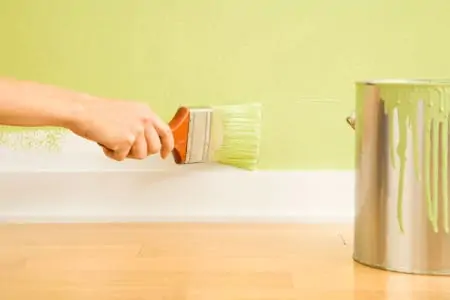
Depending on your experience level, this should only take around 30 minutes per coat of paint. Cutting in the trim is where you paint around things like trim or outlets. Of course, in your case, you have tape down to help keep everything clean. Remember to do more than one coat of paint to get a nice, even finished product.
Applying Paint
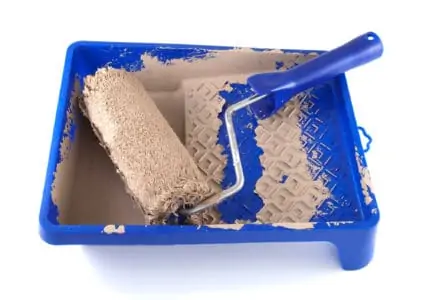
Okay, now I can practically see some of you thinking about painting a big room with a regular paintbrush, and that isn’t the way you have to do it. This is where an amazing implement called a paint roller comes in.
These tools allow you to put on an even layer of paint while reaching more of the wall at one time. If you’re used to painting like a pro, you already know how long this takes you. But it’s different for each person and skill level.
The best practice is to time yourself on the first round of paint for one wall. That’ll give you a basic estimate of how long the entire project should take.
You’ll probably need at least two coats of paint, so keep an eye on how even your walls are looking and decide how many coats you’ll need.

Cleaning Up
It all depends on how big a project you are undertaking. Is the room a small 12×12 space, and have you properly put down all the protections? It should only take 15 to 30 minutes because all you have to do is remove any painter’s tape, roll up drop sheets, and clean your tools.
However, if you painted something like your entire apartment, then it’d be considerably longer.
If you didn’t use the proper prep materials like tape and drop sheets, the clean-up would be considerably longer. You’ll have to deal with any splatters or spills and touch up the trim and accent walls. Plus, in the end, you’ll still have to clean all your tools properly.
Remember to properly wash your brushes so the paint doesn’t clump and ruin them!
The Quickest Way to Paint a Room in a House
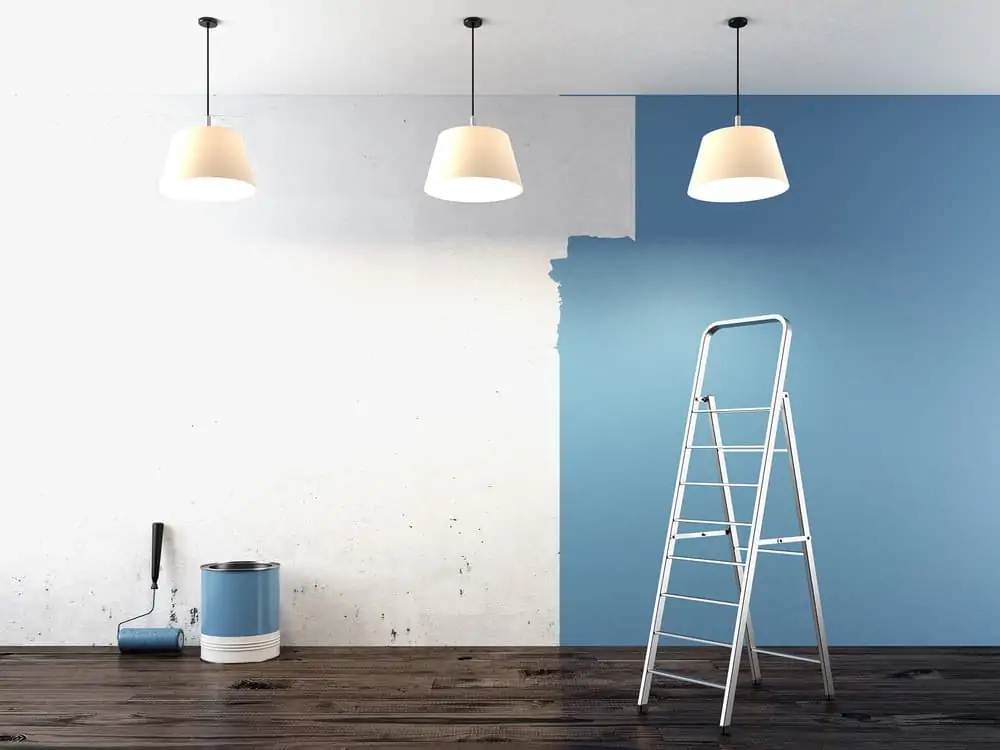
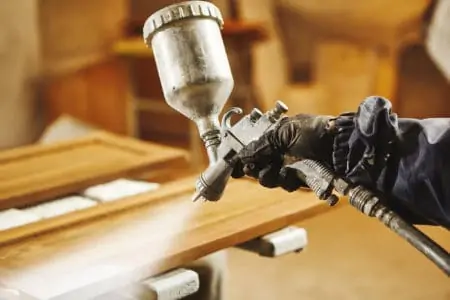
There are plenty of tools that can make it easier, guns that spray paint in even layers or even automated rollers, but let’s look at techniques for now. We’d need an entirely new article to go over the tools.
Do the Prep Work Beforehand
It makes painting a breeze when you don’t have to worry about accidentally running over areas you don’t want to be painted. So be sure the prep is done right before you start.
Choose Your Tools Wisely
I prefer extra-wide rollers as they cover more area; for sharper corners, go with a brush with a sharp line of bristles. Choose which one best fits your needs. You’ll also need a ladder.
Paint Edges Around Doors and Floors First
By doing this step first, you’re free to paint the majority of the room at a quicker pace without having to constantly stop and check if you got paint where it’s not supposed to be.
Paint the Rest Without Worry of Accidentally Running Over Onto No-No Areas
Of course, you’ll need to make sure it’s all painted evenly and the coats have enough time to dry in between. Don’t forget that it leads to uneven and unsatisfying end products if you don’t allow the suggested drying time.
How Long Does it Take a Professional to Paint a Room?
Professionals spend an average of two to four days painting a room of average size. Why does it take so long, you ask? Because their business is to make sure the end result is as perfect as can be.
If you have someone who can do it in half the time, you’ll most likely be sacrificing quality for speed. When hiring someone to paint for you, always keep that in mind.
Professionally painting a room like a pro isn’t hard. But they have the equipment and experience to make the job go smoother.
Final Words
As you can see, many things go into painting a room that you should consider before you begin. But painting your home like a pro doesn’t have to be overwhelming, and it’s an easy enough job to do yourself. Knowing how long to paint a room before you start definitely helps you plan accordingly, so get your facts, make a plan, and start painting!