Our Top Picks

- Generous 170 square feet of coverage
- Dries to a warm hue to enhance the woodgrain
- Easy to apply with a cloth
- Flat, low-sheen look
- Dries clear with no amber tint
- Touch dry in 30 minutes
- Apply a second coat within 45 minutes of the first
- Transparent finish that adds a golden hue to your wood's color
- Non-toxic and cleans easily with ammonia and water
- Apply a second coat within 2 hours
- Protects against water, sunlight, and abrasion
- Works better on light woods like ash and birch

- The first coat dries in just 2 hours
- Resists abrasions, alcohol, water, chipping, and other damage
- Is suitable for use on floors

- High-clarity gloss sheen
- Dries crystal clear, no yellowing
- Self-leveling formula

- Food-safe, no solvents
- Linseed oil and beeswax blend
- Wipe on, buff off
Our Review Criteria: Film hardness sets a kitchen table finish apart, because it is what stands between daily use and a scratched tabletop. We compared scratch, heat, and water resistance, sheen and color, including whether a finish yellows over light or painted wood, food safety and cure time, VOC content, ease of application, and real-world coverage. We weighed manufacturer specifications against published finishing guidance and independent woodworking sources, and favored finishes that pair durable protection with a look that lasts. Every pick is verified currently available, and anything discontinued is swapped out.
Your kitchen table is the heart of the home, but it also takes a serious beating. Between hot coffee mugs, spaghetti spills, and homework sessions, that wood surface needs serious protection to survive.
We researched and compared the top options on the market to find the best finish for a wooden kitchen table. We weighed each one on durability, ease of application, and how good it looks once dry.
Do I Need To Finish a Wooden Kitchen Table?
You could technically leave your table raw, but you probably shouldn’t. Without a finish, wood acts like a sponge. It absorbs oils, liquids, and odors, eventually turning your beautiful furniture into a stained, unhygienic mess.
Finishing the wood seals the grain. It creates a barrier against heat, moisture, and scratches. A good finish also makes cleanup significantly easier; instead of scrubbing a stain out of the wood fibers, you simply wipe the surface clean with a damp cloth.
Types of Table Top Finishes
There are four main categories of wood finishes. Here is how they stack up for kitchen use.
Oil-Based Finish
Oil finishes, like Tung oil or Danish oil, penetrate deep into the wood fibers rather than sitting on top. This enhances the natural grain and gives the table a rich, matte look.
The downside is durability. While they offer decent water resistance, they aren’t as tough as varnish or polyurethane against scratches. You will likely need to reapply the oil once or twice a year to keep the protection active. They also tend to have a strong odor during application.
Water-Based Finish
Water-based finishes (usually polyurethane or polycrylic) are popular because they are user-friendly. They have very low odor, dry quickly, and clean up with simple soap and water.
They dry crystal clear, which makes them ideal for light woods like maple or birch, as they won’t add the amber tint that oil-based products do. However, they can raise the wood grain slightly, so you might need to sand lightly between coats for a smooth feel.
Varnish
Varnish is a heavy-duty option often used for outdoor furniture or boats (spar varnish). It is incredibly tough and has a high solid content, making it very weather and water-resistant.
For an indoor kitchen table, it might be overkill unless the table sits in direct sunlight; standard varnish contains UV blockers. The main drawbacks are the slow drying time and the need for solvents like mineral spirits for cleanup.
Shellac
Shellac is a natural product made from the secretion of the lac bug mixed with alcohol. It is non-toxic once dry and adds a warm, glossy glow to the wood.
While beautiful, shellac is not the most durable choice for a high-traffic kitchen table. It is sensitive to heat (hot plates can leave white rings) and alcohol will dissolve it. If you choose shellac, use coasters and placemats religiously.
How To Choose the Best Finish for a Wooden Kitchen Table
Before you buy a can of finish, consider your skill level and how the table gets used. Here are the main factors to watch for.
Product Reviews
We compared the leading finishes on the factors that decide a kitchen table’s fate: film hardness, water and heat resistance, sheen, food safety, and how forgiving each is to apply. Here are our top seven picks, from penetrating oils to hard polyurethane films.
Watco 65141 Danish Oil Wood Finish
Best Semi-Transparent Finish for Wood Kitchen Tables

Watco Danish Oil is a classic choice for anyone who wants to enhance the natural beauty of the wood without creating a plastic-like film on top. It penetrates deep into the pores, hardening inside the wood to protect against spills.
The application is incredibly forgiving. You simply flood the surface, let it soak, and wipe off the excess. There are no brush marks to worry about. It dries to the touch quickly, though you should wait overnight before reapplying.
It comes in various tints, adding a rich color to the wood while sealing it. However, because it is an oil/varnish blend, it isn’t as scratch-resistant as pure polyurethane. It’s best for households that don’t mind a little patina or maintenance over time.
Pros
- High Coverage: According to Watco, one quart covers up to 170 square feet.
- Easy Application: Just wipe on and wipe off; no brush skills needed.
- Natural Look: Enhances grain without a thick surface film.
- Fast Dry: Dries to the touch in about an hour.
Cons
- High Odor: Requires good ventilation during use.
- Maintenance: May require re-oiling once a year.
Product Specs
| Quantity | 1-quart |
|---|---|
| Coverage | 170 square feet |
| Type | Oil-based |
| Drying time | 1 hour |
| Price | $$ |
Varathane Ultimate Water-Based Polyurethane (Matte)
Best Matte Finish for Wood Kitchen Tables

If you love the look of raw, unfinished wood but still need real protection, Varathane’s water-based Ultimate Polyurethane in matte gets you close to both. It dries to a flat, almost no-sheen surface that reads as natural wood, then cures into a hard film that shrugs off water rings and scratches.
This is the matte sibling of the gloss formula further down the list, so you get the same tough, water-based polyurethane without the shine. It dries clear and stays clear, so it will not add the yellow cast that oil-based poly leaves on white-painted or pale wood.
The honest trade-off with any flat finish is that it shows fingerprints and water spots a little more than a satin, and piling on heavy coats can leave a slightly cloudy haze. Keep the coats thin and you get a hard, modern, low-glare top that hides everyday scuffs.
Pros
- Natural Look: Flat sheen mimics bare wood and hides scuffs.
- Stays Clear: Will not yellow over white paint or light wood.
- Fast Recoat: Touch dry in about 30 minutes; recoat in 2 hours.
- Easy Cleanup: Low odor, washes up with soap and water.
Cons
- Shows Marks: Flat surfaces reveal fingerprints and water spots more than a satin.
- Thin Coats Only: Heavy build can look cloudy, so several light coats work best.
Product Specs
| Quantity | 1-quart |
|---|---|
| Coverage | 125 square feet |
| Type | Water-based |
| Drying time | 30 minutes to touch; 2 hours to recoat |
| Price | $$ |
Rust-Oleum Zinsser Bulls-Eye Clear Shellac
Quickest Drying Finish for Wood Kitchen Table
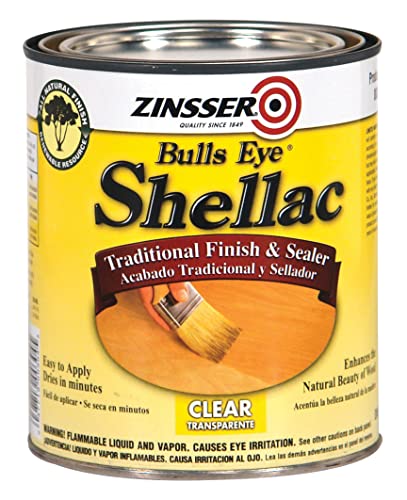
If you need speed, Zinsser Bulls-Eye Shellac is your best bet. According to Rust-Oleum, it dries fast, usually within 45 minutes, so you can lay down several coats and finish the whole project in an afternoon.
Shellac is a natural product that is non-toxic and hypoallergenic once fully cured, making it a safe choice for food surfaces. It brings out a warm, golden glow in the wood that many synthetic finishes can’t replicate.
However, shellac has an Achilles’ heel: alcohol and heat. A hot pizza box or a spilled glass of wine can damage the finish. It works great for tables that use tablecloths or placemats, but maybe not for a rough-and-tumble family workbench.
Pros
- Super Fast: Recoat in under an hour.
- Natural Beauty: Adds a warm depth and glow to the grain.
- Safe: Non-toxic when dry; great for food contact surfaces.
- Easy Clean Up: Brushes clean up with ammonia and water.
Cons
- Fragile: Vulnerable to heat rings and alcohol spills.
- Cure Time: Needs a few days to fully harden before heavy use.
Product Specs
| Quantity | 1-quart |
|---|---|
| Coverage | Not stated |
| Type | Alcohol-based |
| Drying time | 45 minutes for recoats and 48 to 72 hours to cure |
| Price | $ |
Minwax Polycrylic Water-Based Protector
Best Finish for Painted Kitchen Tables

Minwax Polycrylic is the go-to standard for water-based protection. It is ideal for light woods (like maple or ash) and painted furniture because it dries crystal clear and stays that way. Unlike oil-based poly, it won’t turn your crisp white farmhouse table yellow over time.
Cleanup is a breeze since you only need soap and water. According to Minwax, it dries fast enough to recoat in 2 hours, making it a weekend-friendly project. It’s available in multiple sheens, from ultra-flat to gloss.
It provides a solid protective layer against water rings and food stains. Just be aware that it dries very quickly, so you need to work fast to avoid lap marks.
Pros
- Crystal Clear: Won’t yellow over white paint or light wood.
- Fast Drying: Ready for a second coat in 2 hours.
- Low Odor: Much easier to tolerate indoors than oil finishes.
- Easy Cleanup: Wash tools with warm soapy water.
Cons
- Fast Set Time: Can be tricky to apply on large tables without leaving stroke marks.
Product Specs
| Quantity | 0.5 pint |
|---|---|
| Coverage | 125 square feet |
| Type | Water-based |
| Drying time | 2 hours for the second coat and 24 hours to cure |
| Price | $ |
Minwax Oil-Modified Polyurethane Wood Stain
Best Satin Finish for Wood Kitchen Tables

This product is a hybrid: it uses oil chemistry for durability but is suspended in water for easy cleanup. This means you get the tough, amber-toned protection of an oil-based poly with the low odor and fast drying time of a water-based one.
It’s incredibly durable, tough enough to be used on hardwood floors, so it can definitely handle your dinner plates. It resists abrasion and chipping better than standard water-based polys.
Because it mimics oil, it will add a slight warm tone to the wood. This looks great on oak or walnut but might not be what you want if you are trying to keep a “raw wood” look on pale timber.
Pros
- Best of Both Worlds: Durability of oil with the ease of water-based.
- Floor-Grade Toughness: Resists heavy abrasion and chipping.
- User Friendly: Low VOCs and soap cleanup.
- Warm Tone: Adds a rich, amber hue to the grain.
Cons
- Price: Generally more expensive than standard poly.
- Imperfections: Satin sheen can highlight surface flaws if prep work isn’t perfect.
Product Specs
| Quantity | 1-gallon |
|---|---|
| Coverage | 150 square feet |
| Type | Water-based |
| Drying time | 2 hours for the second coat |
| Price | $$$$ |
Varathane Ultimate Water-Based Polyurethane (Gloss)
Best Gloss Finish for Wood Kitchen Tables
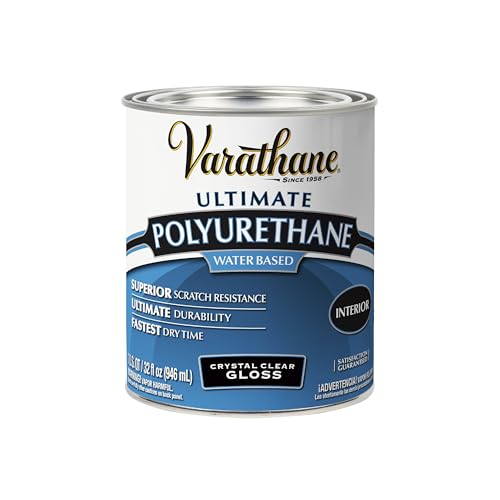
For a deep, glassy shine that makes the grain pop, Varathane’s Ultimate Polyurethane in gloss is the high-shine pick. It is the same hard, water-based formula as the matte version, just dialed up to a full reflective sheen, so you get serious scratch and stain resistance under that mirror-like top.
The water-based formula is self-leveling, which helps smooth out the brush marks that a glossy surface would otherwise put on display. It dries crystal clear and resists the yellowing that dulls oil-based gloss over time, so a light maple or white-oak table keeps its true color.
Gloss is the least forgiving sheen, though. It highlights every fingerprint, dust speck, and surface flaw, so your prep work has to be clean and your coats even. If you want the protection without the glare, the matte version of this same poly is the easier finish to live with.
Pros
- High Shine: Glossy sheen adds depth and makes the grain pop.
- Stays Clear: Non-yellowing formula keeps light wood true.
- Self-Leveling: Smooths out brush marks as it dries.
- Tough Film: Strong scratch and stain resistance for daily use.
Cons
- Shows Everything: Gloss highlights dust, fingerprints, and prep flaws.
- Demands Prep: Needs careful sanding and even coats to look its best.
Product Specs
| Quantity | 1-quart |
|---|---|
| Coverage | 125 square feet |
| Type | Water-based |
| Drying time | 30 minutes to touch; 2 hours to recoat |
| Price | $$ |
Tried & True Original Wood Finish (Linseed Oil & Beeswax)
Best Food-Safe Finish for Wood Kitchen Tables

A kitchen table is a food-contact surface, and Tried & True Original is the pick if that matters to you. It is a blend of polymerized linseed oil and beeswax with no solvents or chemical dryers, so it is safe to apply indoors without a mask and safe on surfaces where food lands, including cutting boards and butcher block.
Like the Danish oil at the top of this list, it soaks into the wood instead of forming a plastic film, so it leaves a soft, warm, hand-rubbed look you can spot-repair without sanding the whole top. You wipe it on thin, buff off the excess, and let it cure, building a low-sheen protective layer over a few coats.
The honest trade-off is durability. A penetrating oil-and-wax finish will not fend off hot pans, standing water, or heavy scratches the way a polyurethane film does, and it needs occasional re-oiling to stay protected. For a hard-used family table a poly may serve you better, but for anyone who wants a non-toxic, natural finish on the surface they eat off, this is the safest choice here.
Pros
- Food Safe: No solvents or chemical dryers; safe for food-contact surfaces.
- Natural Look: Warm, hand-rubbed finish that enhances the grain.
- Easy to Repair: Spot-fix worn areas without stripping or sanding.
- Simple to Apply: Wipe on, buff off; no brush skills needed.
Cons
- Less Durable: Oil and wax resist scratches and heat less than a poly film.
- Needs Upkeep: Requires periodic re-oiling to keep its protection.
Product Specs
| Quantity | 8 oz |
|---|---|
| Coverage | Not stated |
| Type | Oil and wax (penetrating) |
| Drying time | 24 hours between coats |
| Price | $ |
FAQs
| Product | Best | Quantity | Coverage | Type | Drying time | Price |
|---|---|---|---|---|---|---|
| Watco 65141 Danish Oil Wood Finish | Best Semi-Transparent | 1-quart | 170 square feet | Oil-based | 1 hour | $$ |
| Varathane Ultimate Water-Based Polyurethane (Matte) | Best Matte | 1-quart | 125 square feet | Water-based | 2 hours to recoat; 24 hours to cure | $$ |
| Rust-Oleum Zinsser Bulls-Eye Clear Shellac | Quickest Drying | 1-quart | Not stated | Alcohol-based | 45 minutes to recoat; 48 to 72 hours to cure | $ |
| Minwax Polycrylic Water-Based Protector | Best for Painted Tables | 0.5 pint | 125 square feet | Water-based | 2 hours to recoat; 24 hours to cure | $ |
| Minwax Oil-Modified Polyurethane Wood Stain | Best Satin | 1-gallon | 150 square feet | Water-based | 2 hours for the second coat | $$$$ |
| Varathane Ultimate Water-Based Polyurethane (Gloss) | Best Gloss | 1-quart | 125 square feet | Water-based | 2 hours to recoat; 24 hours to cure | $$ |
| Tried & True Original Wood Finish (Linseed Oil & Beeswax) | Best Food-Safe | 8 oz | Not stated | Oil & wax | 24 hours between coats | $ |
In Conclusion
There is no single best finish for every table, only the best one for how yours gets used. For a hard-used family table, a water-based or oil-modified polyurethane gives the toughest heat, water, and scratch protection. For a painted or pale-wood table you want to keep bright, a clear polycrylic avoids yellowing. If you eat directly off the surface and prefer a natural, repairable look, a food-safe oil-and-wax finish is the safer pick. Whatever you choose, thin coats and a full cure matter more than the brand on the can.