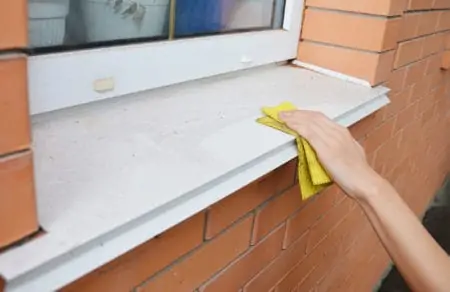
People think that window sills need some type of special treatment as part of the maintenance routine. But they are very easy to take care of if you have the right guide.
It’s essential to clean your sills to prevent mold, mildew, and gunk from building up. Not only does it hamper windows sliding open and closed, but it can also cause more permanent damage like rot.
Aside from showing you how to clean window sills, we’re also going to talk about mold removing tips, how to clean window tracks, and what tools you need to use.
Key Takeaways
- Clean window sills and tracks regularly to prevent mold, mildew, and gunk build-up.
- Use a vacuum cleaner, sponge, scrub brush, and clean cloths for effective cleaning.
- Try different methods like using a vacuum, baking soda and vinegar, a sponge, or a steam cleaner for cleaning window sills and tracks.
- To prevent mold growth, maintain proper ventilation and wipe away condensation as soon as it appears.
What to Use to Clean Window Sills?
When you’re cleaning painted or metal window sills, there are a few universal tools. But it also depends on the type of sill you have and the materials you’re working with.
Vacuum Cleaner
Use something like a Black and Decker Cordless Dust Buster to help get rid of dust and loose debris from sills and tracks. No scrubbing required!
Sponge
Sponges are great for cleaning sills but especially for cleaning window tracks. You can use sponges that are readily available in your supermarket, like these Scotch Brite Scrub Sponges for this. Later on, we are going to show you how to clean window tracks using a sponge.
Scrub Brush
A scrub brush is going to go a long way in cleaning window sills. I love the Holikme 5 Pack because it has so many different types to reach those tricky areas.
They are great for loosening stains and getting rid of whatever gunk might be stuck to it, especially with vinyl materials. Depending on the size, some brushes can work for cleaning window tracks as well.
Clean Cloths
Microfiber cloths like the Amazon Basics 24 Pack are absolutely invaluable. Not just for cleaning window sills but also for dusting around the house, cleaning kitchen counters, windows, and many other cleaning-related tasks. They are definitely something you want to have plenty of around the house.
How to Clean Window Sills and Tracks
There are a few different methods when it comes to cleaning your sill and tracks. But first, you’ll need to ensure you have the right tools for the job.
What You’ll Need
- Vacuum cleaner.
- Sponge with a scrubber on one side.
- Clean spray bottle.
- Vinegar.
- Toothbrush.
- Toothpick.
- Dish soap.
- Baking soda.
- Spoon.
- Paper towel.
- Putty knife.
- Clean cloth.
- Scrub brush.
- Marker.
- Stanley knife.
With a Vacuum
This is the most common method, and one I use myself. It works best for window sills and tracks that have dust and loose debris.
1. Vacuum the Sill
Attach the hose to your vacuum cleaner to remove the debris from the window tracks. You want to use a crevice tool that will allow you to remove loose debris, dead insects, and dust particles.
Regardless of the cleaning method you use for your sills and tracks, you should first use a vacuum cleaner to remove loose debris.
2. Clean with Solutions
Clean your window sill by creating a mixture of dishwasher liquid and water in a clean bottle. Spray the solution on a clean microfiber cloth (NOT the window sill itself) and wipe the surface of the sill.
3. Cleaning the Track
Take a paper towel and wipe any solid build-up that may be found on the center of the track.
4. Get the Cracks and Corners
Put a paper towel around a plastic putty knife and use this tool to clean corners and crevices. I’ve also used Q-tips, which work well for hard-to-reach spots.
5. One Final Wipe
Use a clean microfiber cloth to wipe the track.
With Cleaner of Baking Soda and Vinegar
Baking soda and vinegar is an age-old cleaning hack. I use it all the time, and it works wonders for the gunk that builds around window sills and tracks. Cleaning with vinegar is safer than harsh chemical-based cleaners.
1. Make the Mixture
Grab a clean spray bottle and mix together one part water and one part vinegar. Add a drop of degreasing dish detergent to the mixture and shake it all up.
2. Sprinkle Baking Soda
Fill a spoon with baking soda and sprinkle it across the tracks. Put some baking soda on the sill as well. You will need one or two spoons of baking soda for that, depending on the size of the window sill.
3. Spritz with Solution
Spray the vinegar mixture directly on the baking soda on the tracks and sill and let them fizz for about 10 minutes.
4. Scrub
Take your scrub brush and clean the surface of the sill. When you’re done, proceed to scrub the tracks a few times as well.
Extra Tip
You might need a toothbrush to clean the tracks, especially in the corners. Also, consider using a toothpick for spots where gunk is difficult to reach/remove.
5. Wipe Up Excess
Use a paper towel or a damp cloth to wipe all the dirt off the sill and the tracks.
With a Sponge
This is an awesome hack I saw on Tiktok that I just had to try. And it works!
1. Wipe the Sill
Grab a clean sponge and proceed to clean the window sills as you normally would.
2. Mark the Tracks
To clean the tracks with a sponge, you will need to mark the raised areas on the sponge using a marker. Just put the sponge on the tracks and mark the sponge in these locations.
3. Cut the Marks
Take a Stanley knife and cut the sponge so that the raised areas of the tracks will fit into these cuts.
4. Wipe the Track
Dampen the sponge, fit the cuts onto the window tracks and start cleaning them.
5. Get the Stubborn Spots
If you notice any stubborn stains, you can use a toothbrush dipped in dish soap for deeper cleaning.
With a Steam Cleaner
I don’t recommend this method in every situation as steam can actually help some stains to set in. But it’s a great way to clean dusty window sills and tracks.
1. Vacuum
Vacuum the sills and the tracks before proceeding.
2. Set Up the Steamer
Connect the hose to the steamer and make all necessary adjustments based on the manufacturer’s instruction.
3. Clean the Sill and Tracks
When the steam cleaner is ready, run it across the entire still and do the same for your tracks. This will help remove dirt and grime.
4. One Last Wipe
Use a clean and damp cloth on both the sill and the tracks to wipe up any remaining dirt.
5. Repeat if Needed
For really dirty surfaces, repeat steps three and four once more or until you notice all the gunk is gone.
How to Clean Mold from Window Sills
Because they are often exposed to condensation, window sills can get pretty moldy. Getting rid of mold from window sills is a tedious but uncomplicated process. The following tips will hopefully help speed it up:
Before You Start
Make sure you always use protective gear when trying to get rid of any kind of mold. That includes a dust mask, gloves, and safety goggles.
- When cleaning window sills infested with mold, cover the furniture or floor underneath them to catch falling mold and later get rid of it.
- A mixture of bleach and water does wonders against mold.
- Avoid using abrasive brushes to scrub the window sill, especially if it’s a wooden one.
- Make sure you wipe clean any potential loosened mold from the window sill.
- Always remove mold in a properly ventilated area.
How Often to Clean Window Tracks
Spring and just before the holidays are typically the best times to clean your windows (including your tracks).
This entails thoroughly washing windows and window tracks every six months. The twice-yearly program is a well-known window washing practice that is frequently observed in the spring and fall.
FAQs

How Do You Remove Stains from Window Sills?
If the stain is old, you might want to spray it with a solution made from vinegar, water, and dish soap. Allow it to soak for a few minutes, then just wipe it using a clean cloth.

What is the Best Way to Clean Windows Without Streaking?
The best way to avoid streaks is to use soft wipes that don’t leave any lint. Also, apply a little bit of solvent or rubbing alcohol on the cleaning cloth and rub the window before the cleaning process.

How Do I Stop Mold from Growing on the Inside of the House Windows?
Make sure your ceiling vents are open at all times. Clean your window as often as possible. Prevent window leaks using caulk placed on the edges of the windows. The moment you see condensation around the window, wipe it using a dry cloth.

How Do You Remove Dirt from the Corners?
There are plenty of tricks to get rid of dirt from corners, such as using a smaller brush/tool to help you reach difficult spots (like a toothbrush). You can even use an air compressor to simply blow the dirt out.
Final Words
Now that you know how to clean window sills and tracks, you just have to settle on one of these methods and go for it.
Remember that when it comes to cleaning window sills, maintenance is also important. Don’t allow too much dust, dirt, debris, or any mold build-up before you clean the sill.