Modern bathrooms have numerous cutting-edge features that are designed to make your life easier. Still, there is one task that you can’t avoid if you want to keep your bathtub beautiful: cleaning it.
Bathroom ceramics and other surfaces frequently come into contact with dirty or soapy water, which can quickly hide their shine. There are countless cleaning products that will help you but this can make it tough to find the ideal cleaner for your bathtub.
In this article, we will take a closer look at the various materials used in modern bathrooms and the types of dirt that can appear on ceramics. We will then share our reviews of what we consider the best bathtub cleaners that are available today, based on their effectiveness, safety, and eco-friendliness.
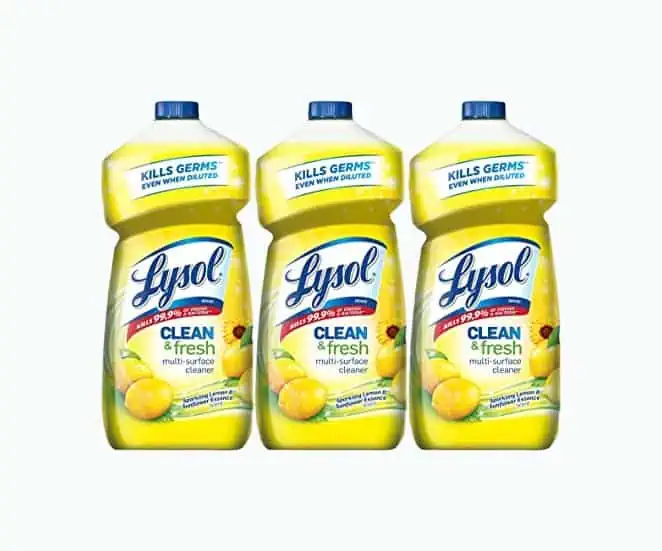
- Kills 99% of viruses & bacteria
- Cuts through grease & grime
- Lemon scented
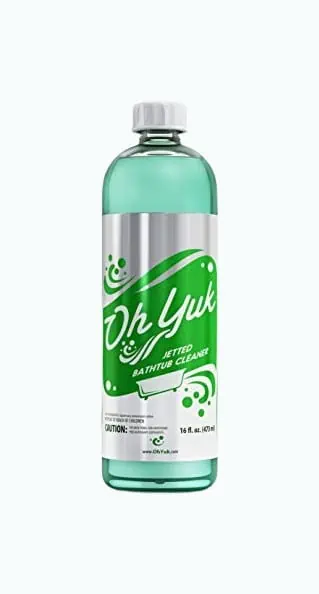
- Removes oils & grease
- Deep-cleaner for jets
- Doesn't require scrubbing
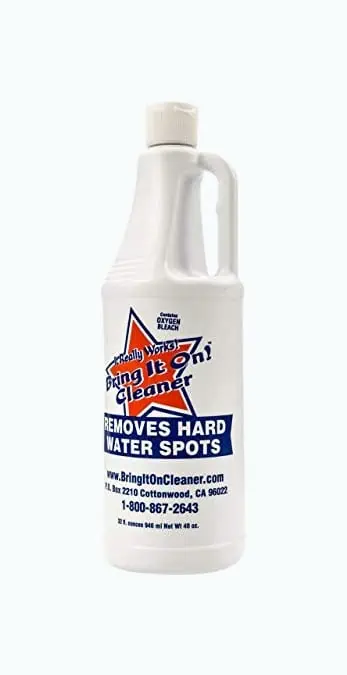
- Safe for multiple surfaces
- Oxygen bleach is safe
- Fresh mint fragrance
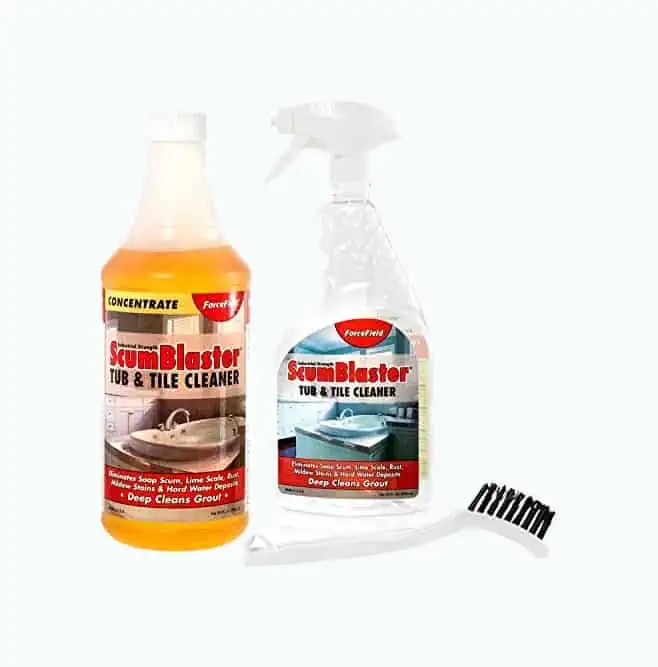
- Removes grime, bacteria, and rust
- Prevents mildew
- No corrosive ingredients
- Fresh scent
- Pre-diluted
- Removes limescale, calcium, and grease
- Natural eco-friendly ingredients
- No harmful fumes
- Removes grease & grime
- Can fill 8 spray bottles when diluted
- No chemical odors
- Foam clings to vertical tiles and doors
Review Methodology: At Sensible Digs, we pride ourselves on our meticulous evaluation and hands-on experience with the best bathtub cleaners on the market. Our professional team carefully tests each product, examining factors such as cleaning power, eco-friendliness, scent, and ease of use. We compare and rank these cleaners, providing quantitative measurements of their performance to help you make an informed decision. Our reviews also delve into the design choices of these cleaners and their effect on users. We understand that every detail matters when choosing the right cleaner for your bathtub, and we are committed to sharing our findings to help you find the best option. Rest assured, our recommendations are backed by solid research, rigorous testing, and undeniable results.
The Best Bathtub Cleaners of 2024
Now that you know a little more about bath materials and cleaners, it’s time to look at what we consider some of the best bathtub cleaners available today. We scoured the internet, reading customer reviews and expert advice to bring you these seven top-rated cleaners. Most of these products are multi-surface and safe for all bathtub types.
Lysol Multi-Surface Cleaner
Best Overall Bathtub Cleaner
Lysol is a multi-surface cleaner loved by countless homeowners across the United States. It cleans quickly and effectively and will leave your bathroom smelling fresh.
Bacteria can quickly accumulate in a bathtub, especially when it is used by multiple people daily. It is critical to remove the bacteria before mildew or mold begins to grow. Lysol reliably kills 99.9% of bathtub bacteria and viruses.
As it is a multi-surface cleaner, you can use it throughout your home, such as on the tiles around a bathtub. Lysol will also clean the grout between your tiles without damaging its seal.
This cleaner is enhanced with lemon and sunflower essences to deodorize your entire bathroom. You can use the bathtub cleaner as it is, or you can dilute it in a spray bottle for quicker cleaning.
Pros
- Kills viruses and bacteria, such as Staphylococcus aureus
- Cuts through grease and grime
- Can be used throughout the bathroom and on grout
- Deodorizes
Cons
- Scent won’t last long
Product Specs
| Quantity | 3 x 40 ounces |
| Formula | Concentrate |
| Scent | Lemon and sunflower |
| Application Method | Full strength or dilute |
| Safe to Use on | Countertops, floors, appliance exteriors |
Our Ratings
User Experience
Oh Yuk Jetted Tub Cleaner
Best Cleaner for Jetted Bathtubs
If you have a jetted bathtub or jacuzzi, you need an appropriate cleaner. This formula from Oh Yuk was created to dissolve and remove gunk and grime from jetted tubs. Residue from bath products such as bath bombs, soaps, and oils can settle on the sides of a tub, but this formula effectively removes them all.
Dirt, bacteria, and other contaminants can quickly accumulate inside the jets and even the tubes. Many users were surprised to see just how much black and green gunk the Oh Yuk formula removed from within the jets.
Oh Yuk claims you will get four cleans from each bottle. That doesn’t sound like much but this also isn’t intended to be an everyday cleaner. Depending on how often you use your jetted tub, you should be able to use this as a deep cleaner once a month.
To use it effectively, fill your tub until the water covers the jets. Add 4 ounces of the product and turn the jets on for at least 15 minutes, then drain the bath and wipe it with an all-purpose cleaner.
Pros
- Effectively removes bacteria and grime hidden inside the jets
- Removes oils and grease
- Deep-cleaner
- Easy to use and requires no scrubbing
Cons
- Requires a lot of water
Product Specs
| Quantity | 16 ounces |
| Formula | Full strength |
| Scent | Not specified |
| Application Method | Full-strength |
| Safe to Use on | Jetted bathtubs, jacuzzi, whirlpool |
Our Ratings
Personal Perspective
Bring It On Hard Water Cleaner
Best Bathtub Cleaner for Hard Water Stains
If you live in an area with hard water, you might notice a significant amount of mineral buildup. This can quickly clog up your drains, settle on the sides of your bathtub, and restrict the faucet’s flow rate.
Bring It On created this formula specifically for hard water stains. It uses oxygen bleach to lift and dissolve stains for optimal results. There are no harmful chemicals, making it a great choice for homes with small children and pets. It is also safe to use on any bathtub, whether it is porcelain, fiberglass, or acrylic.
You can use the cleaner on any surface in your bathroom to get rid of hard water stains. Hard water can also cause unsightly stains on your tiles and faucet — this product will restore their shine.
Users praise how easy this formula is to use. All you need to do is apply it to the affected area and leave it so the oxygen bleach can activate. Then, scrub the area with a sponge or brush and rinse it with clean water.
For spot treatments, apply the product to a damp sponge or cloth. Rub it into the stain until it’s gone, then rinse. The formula will leave your bathroom with a fresh minty smell.
Pros
- Safe for multiple surfaces
- Oxygen bleach won’t harm you or your family
- Dissolves and removes hard water stains
- Fresh fragrance
Cons
- Requires a lot of manual rubbing
Product Specs
| Quantity | 32 ounces |
| Formula | Concentrate |
| Scent | Fresh mint |
| Application Method | Diluted |
| Safe to Use on | Bathtubs, tiles, grout, glass, taps, sinks, stove |
Our Ratings
Community Feedback
ForceField ScumBlaster
Best for Tub and Tile
Having to use half a bottle of formula to thoroughly clean your bathtub will become expensive in the long run. Thankfully, ScumBlaster from ForceField was created to make sure that a little will go a long way.
This formula is industrial strength, meaning it should be diluted before use. The manufacturer claims that one bottle is enough for five spray bottles of diluted cleaning formula.
It is safe to use on other surfaces in your bathroom and other parts of your home, such as sinks, tiles, showerheads, toilets, and grouting. You can use the formula on any bathtub finish.
Mildew is a common concern in any bathroom due to the enclosed, moist environment. ScumBlaster will effectively remove mildew before it can settle in your tub. It will also cut through grease, soap scum, hard water stains, and rust.
You can use this product with confidence as it is eco-friendly. There are no corrosive acids included — only organic salt.
Pros
- Powerful concentrate
- Removes multiple types of grime and bacteria, including rust
- Safe for various surfaces and tubs
- Eco-friendly
Cons
- As it is a concentrate, you must be careful and wear gloves
Product Specs
| Quantity | 30 ounces |
| Formula | Concentrate |
| Scent | Not specified |
| Application Method | Diluted |
| Safe to Use on | Fiberglass, acrylic, plastic, glass, rubber, porcelain, vinyl tile |
Our Ratings
First-Hand Impression
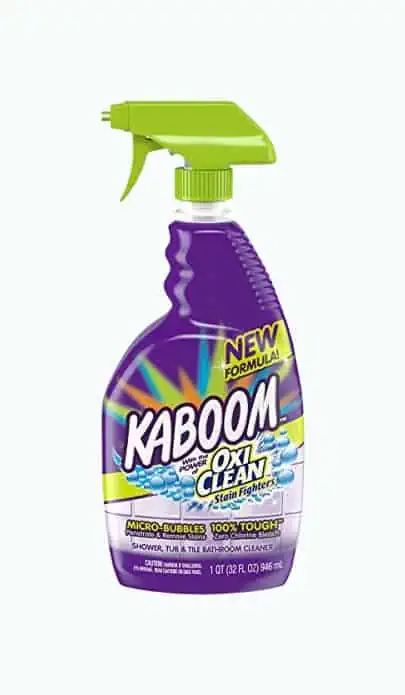
Kaboom Shower, Tub and Tile Cleaner
Best Oxi Bathtub Cleaner
Tough stains demand a tough product. This formula from Kaboom cleans effectively using the power of oxygen. As the product comes into contact with dirt and grime, it creates bubbles that help lift and dissolve stains. You can then wipe or rinse the dirt away effortlessly.
The formula removes unsightly substances such as limescale, calcium, grease, and more. It contains no harsh chemicals and won’t fill your bathroom with any foul smells.
You can safely use the Kaboom spray on any surface in your bathroom. If your grout lines look dirty, the formula will get rid of tough stains and mildew.
This product is very easy to use — simply spray the area, then scrub or wipe it with a sponge or cloth. The OxiClean bathtub cleaner will lift tough stains without the need for hard scrubbing.
Pros
- Safe for multiple surfaces in your bathroom
- Fresh scent
- Doesn’t contain harsh chemicals
- Removes tough stains, residue, and grime
Cons
- The current formula is less effective than it used to be
Product Specs
| Quantity | 2 x 32 ounces |
| Formula | Pre-diluted |
| Scent | Not specified |
| Application Method | Spray |
| Safe to Use on | Bathtub, tiles |
Our Ratings
User Experience
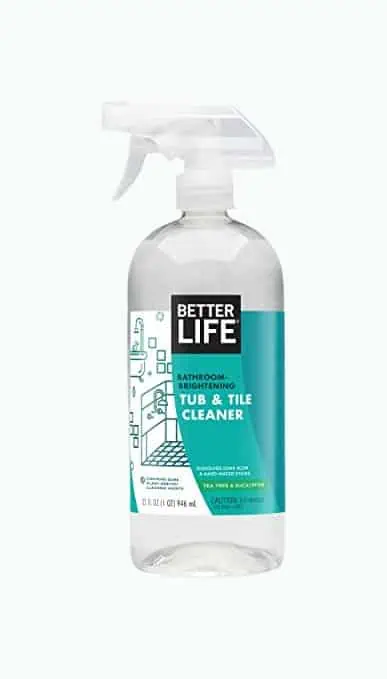
Better Life Natural Tub Cleaner
Best Natural Bathtub Cleaner
Some bathtub cleaners are difficult to use due to their chemical formulas that release harmful fumes. Unfortunately, people often avoid using natural products as they believe they are less effective than chemicals. However, this formula from Better Life is all-natural and highly effective.
It is safe to use in a family home with small children and won’t release fumes. There is no alcohol, dye, solvent, or chlorine bleach in the formula. The main ingredients are eucalyptus leaf oil, tea tree oil, peppermint oil, and citric acid.
All you need to do is spray the solution onto your tub and rinse it with clean water. There is no need for scrubbing unless you are trying to remove a stubborn stain. The formula is safe to use on fiberglass, acrylic, porcelain, ceramic, and more.
Better Life creates its products using sustainable technology, such as solar energy, and they are packaged in recyclable materials. All of the brand’s formulas are biodegradable and won’t harm the environment.
Pros
- Natural ingredients and eco-friendly
- Safe in family homes
- Effective at removing grease and grime
- Safe on multiple surfaces
Cons
- Strong scent from the natural ingredients
Product Specs
| Quantity | 32 ounces |
| Formula | Pre-diluted |
| Scent | Tea tree and eucalyptus |
| Application Method | Spray |
| Safe to Use on | tile, grout, fixtures, sinks, toilet seats, and tubs, shower, doors, curtains |
Our Ratings
Personal Perspective
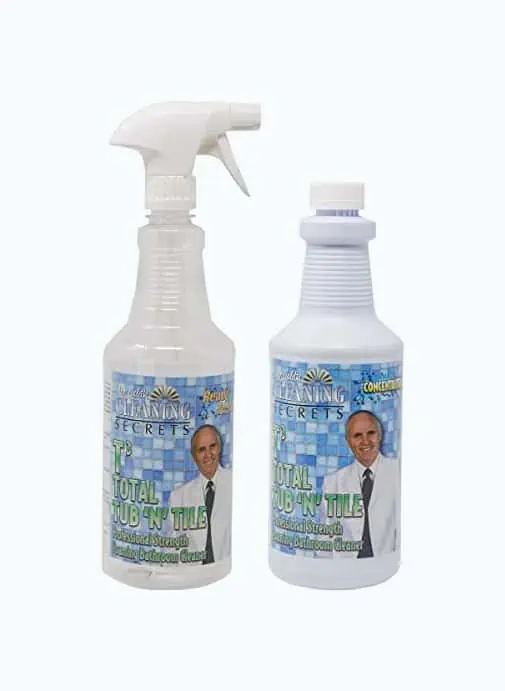
Don Aslett Tub N Tile
Best Foam Formula Bathtub Cleaner
If you are tired of having to protect yourself from harsh chemicals when cleaning your bathroom, this foam formula will help. There will be no pungent odors or toxic fumes when using this product.
This concentrate is tough on stains but cleans gently. The formula effectively removes soap scum, body oils, hard water, and dirt. It is safe to use on all bathtub finishes — you can even use it on shower doors and tiles.
As it is a concentrate, you will need to dilute it with water before using it. This means the 1-quart bottle will provide 8 quarts of solution. It even includes a convenient spray bottle to store and use your super-solution.
When you spray the formula onto the problem area, it quickly creates a dirt-fighting foam. You then simply leave it for a couple of minutes before lightly scrubbing it and rinsing it with clean water. You might need to repeat the process if you are dealing with particularly stubborn dirt.
Pros
- Long-lasting
- No chemical odors
- Effective on tiles and tub surfaces
- Thick foam clings to vertical surfaces
Cons
- Not suitable for dark-colored tiles
Product Specs
| Quantity | 1 quart |
| Formula | Concentrate |
| Scent | Not specified |
| Application Method | Diluted |
| Safe to Use on | Bathtub, tiles |
Our Ratings
Community Feedback
| Product | Best | Quantity | Formula | Scent | Application Method | Safe – Use on |
|---|---|---|---|---|---|---|
| Lysol Multi-Surface Cleaner | Overall | 3 x 40 oz | Concentrate | Lemon, sunflower | Full strength/ dilute | Countertops, floors, appliance exteriors |
| Oh Yuk Jetted Tub Cleaner | Jetted Bathtubs | 16 oz | Full strength | Not specified | Full-strength | Jetted bathtubs, jacuzzi, whirlpool |
| Bring It On Hard Water Cleaner | Hard Water Stains | 32 oz | Concentrate | Fresh mint | Diluted | Bathtubs, tiles, grout, glass, taps, sinks, stove |
| ForceField ScumBlaster | Tub & Tile | 30 oz | Concentrate | Not specified | Diluted | Fiberglass, acrylic, plastic, glass, rubber, porcelain, vinyl tile |
| Kaboom Shower, Tub and Tile Cleaner | Oxi Cleaner | 2 x 32 oz | Pre-diluted | Not specified | Spray | Bathtub, tiles |
| Better Life Natural Tub Cleaner | Natural Cleaner | 32 oz | Pre-diluted | Tea tree, eucalyptus | Spray | tile, grout, fixtures, sinks, toilet seats, and tubs, shower, doors, curtains |
| Don Aslett Tub N Tile | Foam Formula | 1 quart | Concentrate | Not specified | Diluted | Bathtub, tiles |
What to Look For (Buying Guide)
Finding the best product to clean your bathtub isn’t as easy as simply choosing the most popular product. Your bathtub’s material will have a significant influence on which cleaning product you should use, so it is important to know which type you have:
Type of Bathtub
Bathtub cleaners aren’t one-size-fits-all. One product might be safe to use on porcelain but will damage an acrylic tub. Here are some of the most common materials used in bathtubs:
- Acrylic: These bathtubs are made using fiberglass-reinforced acrylic material. They are long-lasting and inexpensive, which makes them a popular choice. However, they are relatively delicate and can be easily scratched or cracked. Some chemicals can also damage them (1).
- Porcelain: Despite their name, these bathtubs aren’t made of porcelain exclusively. They are made of steel sheets, then coated in porcelain enamel. Porcelain tubs are durable and easy to clean but they can become chipped, exposing the steel and leading to rust.
- Fiberglass: These tubs are made of multiple layers, including fiberglass, resin, and a surface coat. Fiberglass is a popular choice among homeowners due to its durability and affordability (2).
- Cast iron: Made of molded iron and coated with enamel, this is a higher-end option. These tubs are very heavy but also durable and resistant to chipping and scratches (3).
When considering a product, read its description carefully to ensure it is safe for your tub. If you’re unsure which material your bathtub is made from, choose a product that is safe for multiple types.
Do A Test

Type of Buildup
A bathtub will encounter various types of dirt and grime daily. Whether you bathe children, pets, or live alone, residue and bacteria can quickly accumulate on the sides of your bath (4).
Some cleaners are formulated to remove certain problems such as bacteria and viruses, while others clean away grease and body oils. Consider what type of grime usually appears in your bath.
If you live in an area with hard water, you might frequently see limescale and water stains (5). Not all bathtub cleaners will be able to effectively remove these.
You can also choose from concentrate or pre-diluted. Both options will clean well but many homeowners prefer concentrates as you get more for your money. Concentrates can also be diluted less if you need the strongest cleaner for stubborn bathtub stains.
Can the Product Be Used on Other Surfaces?
Having a different cleaning product for every item in your home can quickly fill your cabinet, so try to choose multi-surface cleaners wherever possible. This will help you save money as well as space.
Many bathtub cleaners can be used to clean other ceramics and toilet seats. Some products are also very effective at removing stains and grime from grouting and tiles.
FAQs

How Often Should a Bathtub be Cleaned?
You should clean your bathtub once a week and perform a very thorough cleaning once a month.

What’s the Fastest Way to Clean a Bathtub?
The fastest way to clean a bathtub is by using a special cleaner. However, there are natural alternatives to chemicals, such as baking soda and a scrub brush.
After filling a pail with hot water, pour it all over the bathtub. Scatter baking soda across all of the surfaces of the tub. Instead, use a cleaner designed specifically for tubs and tiles if the tub is grimy.
Put two tablespoons of dish soap and a half gallon of hot water in your bucket, then fill the rest with hot water. Scrub all bathtub surfaces using a stiff nylon brush or a sponge dipped in the bucket.
Make use of the bucket to give the sponge/brush a quick rinse every so often and to move soapy water from the bucket into the bathtub.
When cleaning grimy bathtubs or stains, put baking soda straight onto the sponge or brush dipped in the solution from the bucket. Then, scrub vigorously with the item.
After you have finished cleaning the tub to your satisfaction and it appears clean, you can rinse it with the bathtub hand sprayer or the bucket. To complete the task, use a dry and clean cloth to shine the bathtub’s handles, faucet, and drain.

How Do You Clean a Dirty Bathtub Without Scrubbing?
The best way to clean a dirty bathtub without scrubbing is by using vinegar. After heating, pour some vinegar into a spray bottle. After adding the dishwashing liquid, give it a quick shake to ensure it is evenly distributed.
When combined, vinegar and dish soap are an effective cleaning solution for removing soap scum and unclean rings or tidemarks around the bathtub.
Spray it on the tiles, the grout, and the showers while the mixture is still warm. Rinse after allowing it to sit for twenty minutes or several hours if the stain is stubborn.

Will Bleach Damage Bathtub?
Bleach is an effective disinfectant, but if you don’t use it correctly, it might leave discoloration or damage on the surface of your bathtub.
Because bleach is so caustic, it must be used with extreme caution at all times. When working with home bleach, you should always protect your eyes and skin by wearing goggles and rubber gloves. The bleach can cause more damage to your skin than to your bathtub.
When working with bleach, ensure that your restroom has adequate ventilation and do your best to avoid taking in the fumes. Don’t mix bleach with other cleaning product because doing so can produce poisonous fumes.
It’s possible that bleaching your white bathtub once in a while could be beneficial, but you should never use too much of it. If undiluted bleach is poured directly over the surface of the porcelain or any other material in the bathtub, it may cause permanent discoloration.
Since bleach retains its efficacy even after being highly diluted, the best way to make an effective solution that’s safe to use is to combine it with water before applying it to a surface.

Does CLR Remove Hard Water Stains?
CLR can dissolve and remove hard water stains caused by the accumulation of limescale, calcium, and surface rust from hard water.

Can You Use a Magic Eraser on Acrylic Tubs?
You can use Magic Eraser on acrylic tubs, but you must be gentle when scrubbing.

What’s the Best Product to Clean Your Bathtub?
Lysol’s multisurface cleaner is considered the best product to clean your bathtub because it promises to eliminate up to 99.9% of viruses and bacteria when used as directed.
While this product is normally used diluted, for bathtubs with grime and soap scum, it’s best to spray the product directly on the dirty surface. Allow it to sit for about 20 minutes and rinse.